A note on what this is Aura is a wellbeing and self-help app, not medical care or therapy and not a crisis service. It is not a substitute for professional help. Its emotional-transformation testimonials are individual, vendor-published and not typical or verifiable. If you are in crisis, contact a professional or a crisis line.
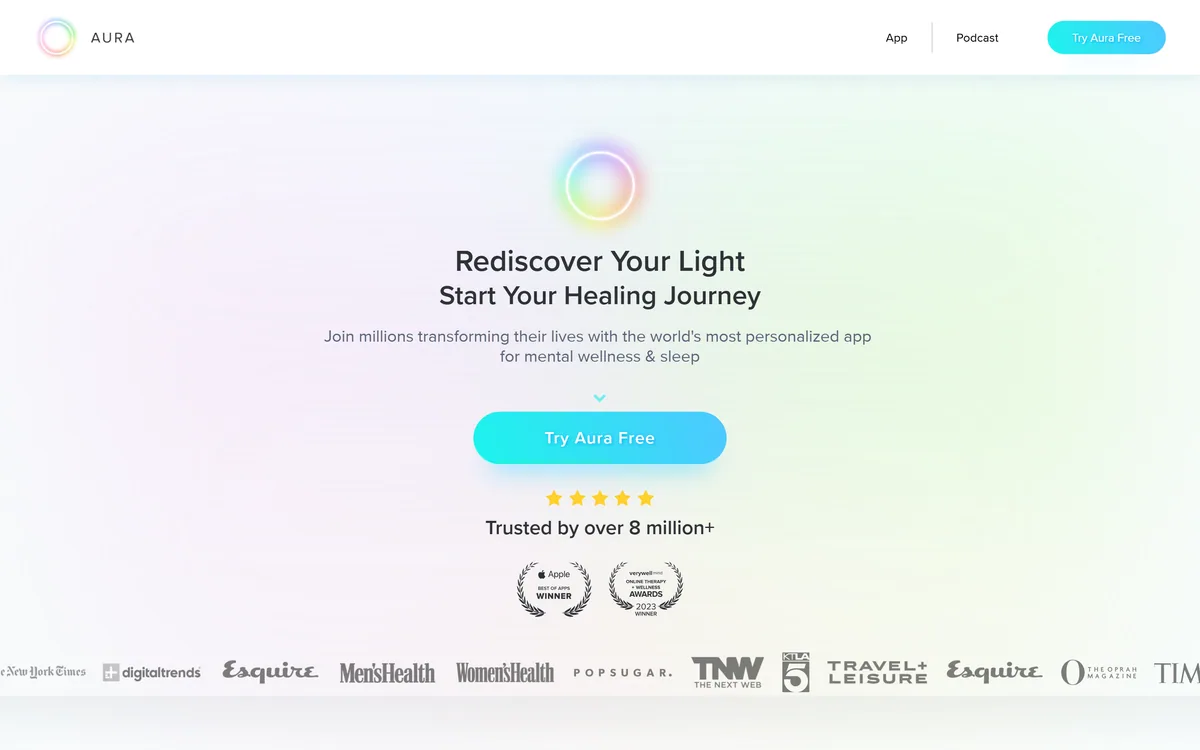
Wellness apps usually pick a lane, meditation, or sleep, or CBT. Aura's bet is the opposite: put many modalities in one place and use AI to steer each person to what suits them.
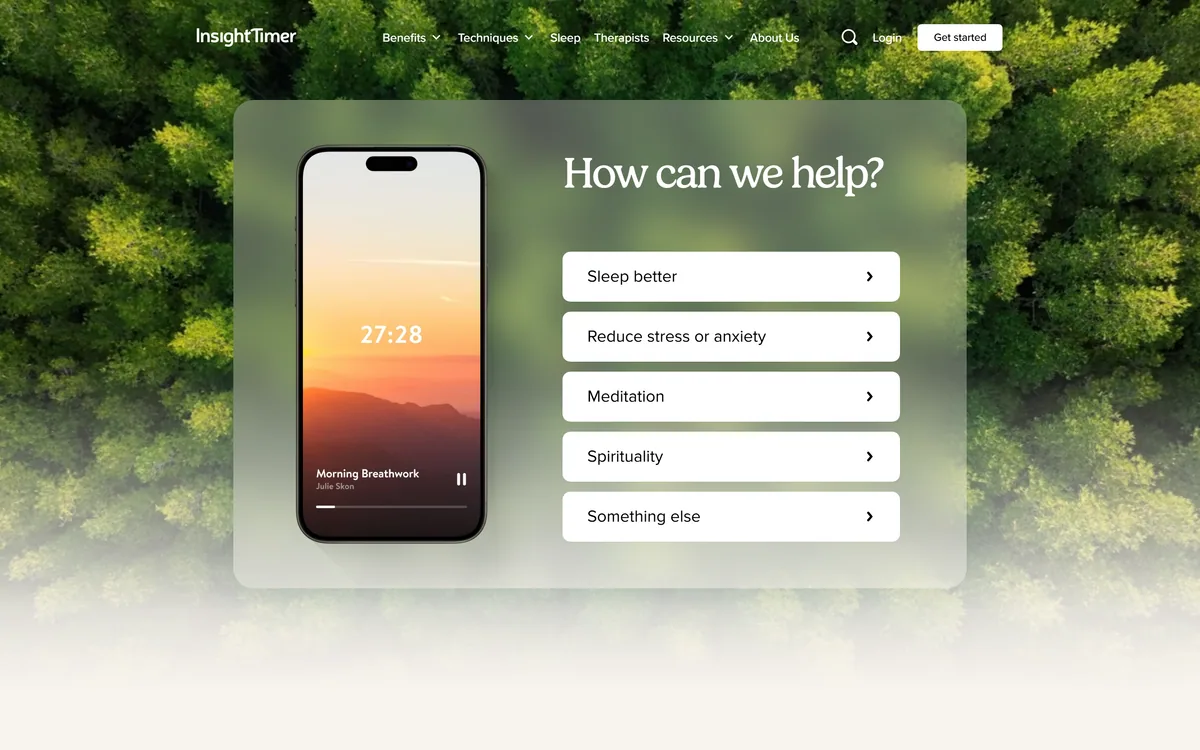
It bundles meditation, sleep tracks, hypnosis, CBT-style content, coaching, breathwork, prayer and more, with personalised recommendations and live coach and therapist sessions. It sits among wellbeing tools like a meditation library such as Insight Timer, but far broader, which is both its strength and its risk.
This review covers what Aura offers for calm and sleep, what it is honestly for and what it is not, how it charges, and who it suits, treating its claims and testimonials with appropriate care.
Many Wellness Modalities Under One App
Aura's defining choice is breadth. Rather than one approach, it offers meditation, sleep stories and sounds, hypnosis, CBT-style content, coaching, therapy-style sessions, breathwork and even prayer and ASMR, with AI picking what to surface for you.
For someone who does not yet know what helps them, that variety is genuinely useful: you can try several approaches in one place rather than downloading five apps. The AI personalisation is there to stop that breadth from being overwhelming.
The flip side of breadth is that no single modality is likely to be the deepest available, and the app leans hard on emotional-transformation testimonials. Those "changed my life" quotes are individual and vendor-published; we treat them as marketing, not evidence of typical results, and you should too when weighing what the app can realistically do for you.
For someone who does not yet know what helps them, Aura's variety is useful: try several approaches in one place rather than downloading five apps.
What Does Aura Offer For Calm And Sleep?
The content library and the human element are the two halves of the offering.
Meditation, Sleep, Hypnosis And More
The core is a large, varied library: short and long meditations, thousands of sleep tracks, hypnosis, breathwork, affirmations and more, led by named practitioners. For everyday stress and sleep, that is a solid, flexible toolkit.
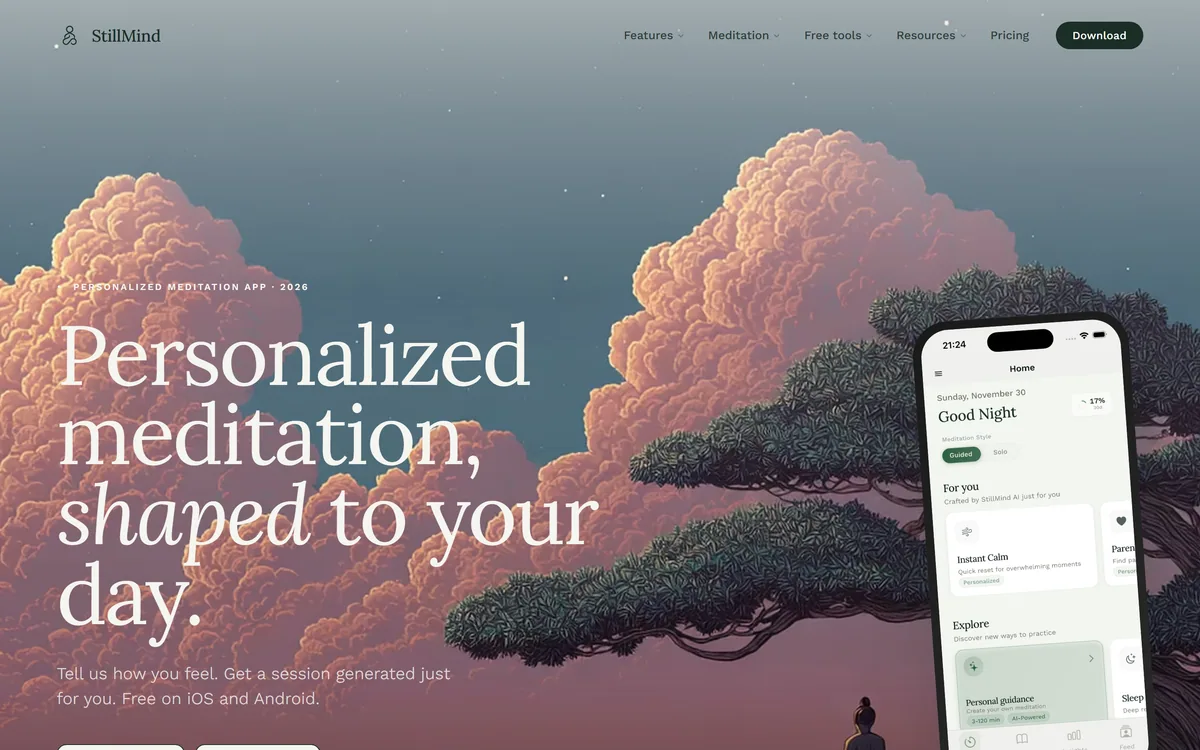
A dedicated meditation app like Insight Timer may go deeper on that one practice, while a calmer, single-purpose app like StillMind suits people who want less to choose from. Aura's trade is variety over focus.
Personalisation, Coaches And Live Sessions
AI-driven personalisation aims to find your track from thousands of options, and beyond the library Aura offers live sessions with coaches and therapists plus a community, which is a meaningful step up from purely on-demand content.
That human element is where expectations need setting carefully. Live coaching is support, not clinical treatment, and an evidence-led mental-health tool like Wysa is explicit about that boundary. Aura should be read the same way: a wellbeing aid, not care.
What Aura Is For, And What It Is Not
Aura is for everyday wellbeing: managing stress, winding down, sleeping better, and exploring practices that help you feel calmer. Used that way, its breadth and personalisation are a genuine benefit.
What it is not, and we state this plainly, is medical care, therapy or a crisis service. Marketing language about healing and transformation can blur that line, so it bears repeating: Aura is self-help content, not treatment, and its testimonials describe individual, not typical, experiences.
Most importantly, it is not for a crisis. If you are dealing with severe distress, trauma or thoughts of self-harm, that needs professional help, and a wellness app is neither designed for nor a substitute for it, however reassuring its marketing may sound.
How Aura Charges For Access
Aura is a freemium subscription: you can try it free, with a paid plan unlocking the full library and features. We do not publish prices, which change; check the app.
Because it bundles so much, the value question is whether one subscription genuinely replaces the several single-purpose apps you might otherwise use, which for someone who wants variety it often does.
The honest test is use, not intention: a wellness subscription is only worth it if you actually open it regularly, so the free tier is the right way to find out whether Aura's breadth fits your habits before paying. A common pattern with all-in-one wellness apps is that the novelty of the variety fades and you settle on one or two things you return to, which is worth watching for, because at that point a cheaper single-purpose app may serve you just as well.
A Responsible Way To Try Aura
Because this is wellbeing content, try it with clear expectations and within its limits.
- Be clear that Aura is everyday self-help, not treatment or a crisis service.
- Use the free tier for a week and let the personalisation learn what helps you.
- Try a few different modalities, meditation, sleep, breathwork, to see what fits.
- If you want the human element, trial a live coach session and judge its value.
- Notice honestly whether you keep opening it, the real test for any wellness app.
- Pass/fail: Aura is worth it if its variety helps your everyday calm and you use it regularly.
- If your need is clinical rather than everyday stress, seek professional care, not an app.
Aura, The Measured Summary
- Aura is a personalised wellness and sleep app: meditation, sleep, hypnosis, coaching and more in one place.
- Breadth is its signature: it bundles many modalities most apps keep separate, with AI-driven recommendations.
- It has live humans too: sessions with coaches and therapists alongside the on-demand library.
- It is a wellbeing aid, not care: helpful for everyday calm and sleep, not a substitute for professional treatment.