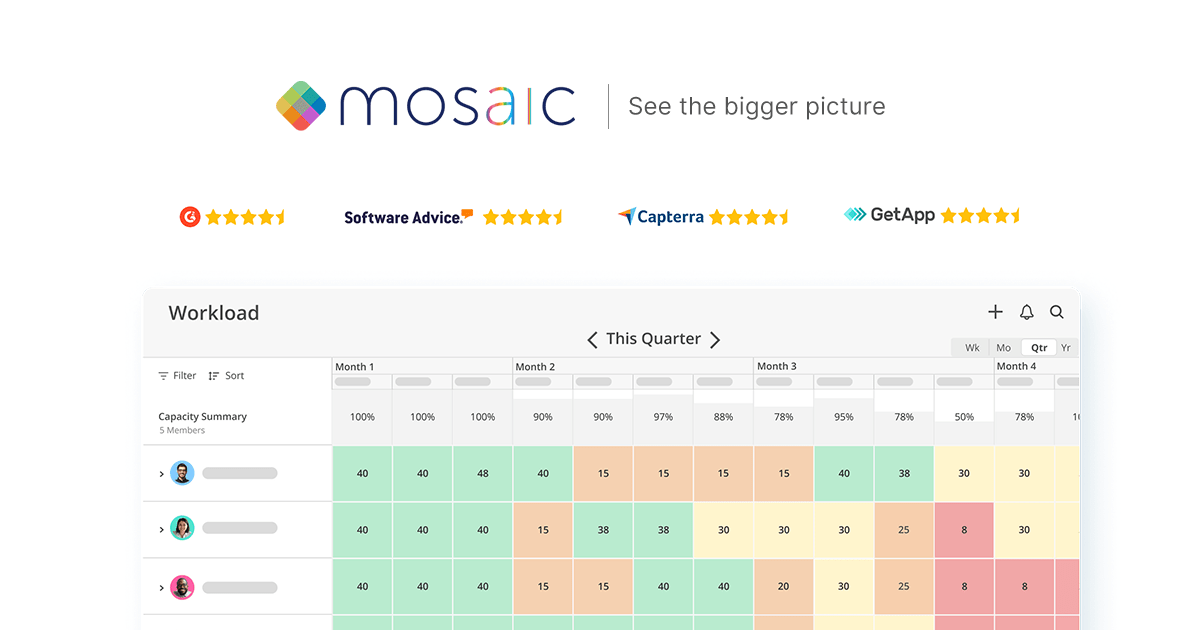
AI resource and project management for teams Category: Productivity & Automation.
Productivity & Automation Review
Lifestack (DeMind Inc.) is an AI daily planner that pulls wearable and health data to forecast your energy through the day and schedule tasks and calendar around it, aiming to match demanding work to your peaks. It suits people who track wearables and want energy-aware planning, as a wellness tool, not medical advice, with privacy and some-facts-search-sourced caveats.
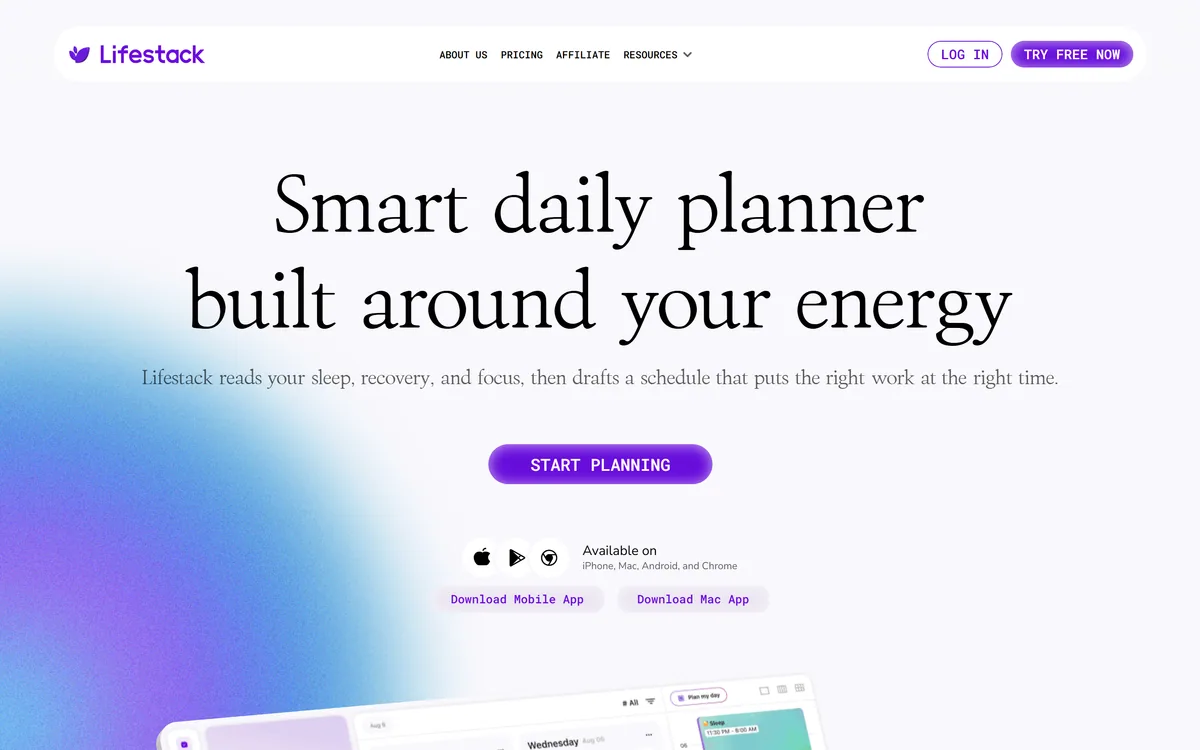
Good
Lifestack earns 3.6 as an interesting, wellness-flavoured planner with a genuinely fresh premise: instead of treating every hour as equal, it uses your wearable data to forecast your energy and schedules demanding work into your peaks. For people who already track a wearable, that energy-aware approach, plus calendar sync in one view, is worth experimenting with. The honest caveats hold it here: it's a wellness tool, not medical advice, its forecasts are estimates, it needs sensitive health data, and some company details were search-sourced, capping our confidence. Try it with your wearable, judge whether the forecasts match reality, and treat the energy data as an aid, not a medical signal. AInexfinder Editor Score: 3.6/5.
Best for: Energy-aware scheduling; Peak-aligned deep work
The visit link goes to lifestack.ai, the official site. Paid placements on AInexfinder are always labelled. How we make money
A wellness note Lifestack is a wellness and productivity planner, not a medical device or medical advice. Its energy forecasts are estimates based on wearable data, not clinical readings, and shouldn't be used to diagnose or manage any health condition. It requires access to sensitive health and wearable data; read its privacy terms. For health concerns, consult a qualified professional.
We all have hours when we're sharp and hours when we're useless, but we schedule as if every hour is equal. Lifestack's pitch is to fix that: use your wearable data to forecast your energy and plan your day around it.
It pulls health and wearable signals, predicts your peaks and dips, and schedules tasks and calendar to match. It sits among planning tools like Motion, but with an energy-and-wellness angle.
This review covers how Lifestack plans your day, which people it suits, how it's priced, and the not-medical-advice and privacy caveats to weigh first.
| What it is | An energy-aware AI daily planner |
|---|---|
| Company | DeMind Inc. (California, per search) |
| Core | Forecasts energy from wearable data and schedules around it |
| Inputs | Wearable and health data (sleep, activity, etc.) |
| Scheduling | Matches demanding tasks to high-energy windows |
| Calendar | Syncs and plans in one view |
| Sensitive | Wellness tool, not medical advice; uses health data |
| Access | Freemium (free tier plus paid) |
Lifestack's core idea is energy-aware planning. It pulls data from your wearables, sleep, activity, recovery, and forecasts how your energy will rise and fall through the day, then schedules your tasks and calendar so demanding work lands in your peaks and lighter work in your dips.
That's a genuinely novel angle on productivity. Most planners treat time as uniform; Lifestack treats your capacity as variable, which matches how people actually feel and work.
It brings this together with calendar sync, so the energy forecast and your actual schedule live in one view rather than as a separate wellness curiosity you ignore.
The honest framing is that Lifestack is an interesting, wellness-flavoured planner with a fresh premise. The important caveats: it is a wellness and productivity tool, not medical advice, and energy 'forecasts' are estimates, not clinical readings; it needs access to sensitive health and wearable data, so privacy matters; its benefit depends on whether the forecasts actually match your experience; and because some company details were search-sourced, we set a lower confidence.
Lifestack is a fresh, wellness-flavoured planner; its energy forecasts are estimates, not medical advice, and it needs health data.
Lifestack pairs energy forecasting from wearables with everyday scheduling.
It reads your wearable and health data to forecast energy, then schedules demanding tasks into high-energy windows and lighter tasks into the dips, so your plan fits your capacity.
A health-tracking tool like Welltory focuses on interpreting your body's signals; Lifestack's angle is turning those signals into a daily schedule, which is where it differs from a pure wellness tracker.
Calendar sync keeps the energy forecast and your real commitments in one view, so energy-aware planning is practical rather than a separate curiosity.
A scheduling assistant like Clara handles booking meetings; Lifestack focuses on planning your own day around your energy, so match it to whether you want external scheduling or personal energy planning.
Lifestack suits people who already track a wearable and want their planning to reflect their energy, knowledge workers, founders and anyone juggling demanding and routine tasks who feels the mismatch between their schedule and their capacity.
It suits those curious about aligning deep work with their natural peaks, and who are comfortable connecting health data to a planning app for that benefit.
It suits less well people without a wearable (the energy forecast has less to work with), anyone uncomfortable sharing health data, and anyone who'd mistake its energy estimates for medical guidance, which they are not.
A fair way to place it: if you track a wearable and want to experiment with planning around your energy, Lifestack offers a genuinely different approach worth trying; if you don't track health data or aren't comfortable sharing it, the premise loses its input, and in all cases treat the energy forecasts as a wellness aid, not a medical or guaranteed-accurate signal.
Lifestack is freemium: a free tier to try plus paid plans for more features. We do not publish prices, which change; check the site and review its handling of your health and wearable data.
The value question is whether energy-aware planning genuinely helps you versus the sensitivity of sharing health data: if the forecasts match your experience and improve how you schedule, it's worth it, but that's personal and worth testing.
The sensible approach is to try the free tier with your wearable connected, judge over a week or two whether the energy forecasts match how you actually feel and whether planning around them helps, and read the health-data privacy terms before committing.
Because it uses health data and its forecasts are estimates, trial Lifestack with your wearable first.
Energy forecasting
Wearable integration
Energy-aware scheduling
Calendar sync
Task planning
Sleep/activity inputs
Daily planning
Peak alignment
The useful comparison is with other planning and wellness tools.
| Tool | Tool | Approach | Best for |
|---|---|---|---|
| Lifestack | Energy-aware planner | Schedules around energy | Wearable users |
| Motion | AI productivity app | Auto-scheduling tasks | Busy professionals |
| Welltory | Health data analytics | Interpreting body signals | Wellness tracking |
| Clara | AI email scheduler | Booking meetings | External scheduling |
Last checked . Read from lifestack.ai during this check, with the screenshot above captured at the same time. Lifestack's first-party page is light on company detail; the operator (DeMind Inc., California) and some specifics came from a web search rather than the page, so this review carries a lower confidence.
Lifestack is a wellness and productivity tool, not medical advice, and its energy 'forecasts' are estimates, not clinical readings. It needs access to sensitive health and wearable data, so privacy matters, read the terms. Benefit depends on whether the forecasts match your experience, and some company details were search-sourced, so we set a lower confidence.
An AI productivity app, a health-analytics tool and a scheduling assistant to weigh beside Lifestack.
AInexfinder does not list plan prices or billing details. For current pricing, plans, and trials, visit the official Lifestack website.
Visit official website for pricingVendor pricing, credits, and billing policies change over time. Always confirm on the official site before you buy.
Lifestack earns an AInexfinder Editor Score of 3.6/5 (good). Best for: Energy-aware scheduling; Peak-aligned deep work; Wearable-tracking professionals.
Visit LifestackLog in to write a review.
No reviews yet. Be the first to share your experience with Lifestack.
Assigned reviewer
Daniel ReedSenior AI Tools Reviewer
Daniel leads AInexfinder's tool reviews. He researches each tool from its own pricing, documentation and policies, checks its claims against independent sources, and writes up what it does well, where it falls short and who it genuinely suits.
Daniel and the AInexfinder editorial team research Lifestack from its own website, pricing, documentation and policies, checked against independent sources. This review is research-based: unless its method note says otherwise, we have not bought a plan or run hands-on tests. The Editor Score is our editorial judgement, and payment never changes it.
Similar Tools
AI resource and project management for teams Category: Productivity & Automation.

Taskade review on AInexfinder — freemium AI tool for Productivity & Automation. Features, pricing notes, and alternatives.
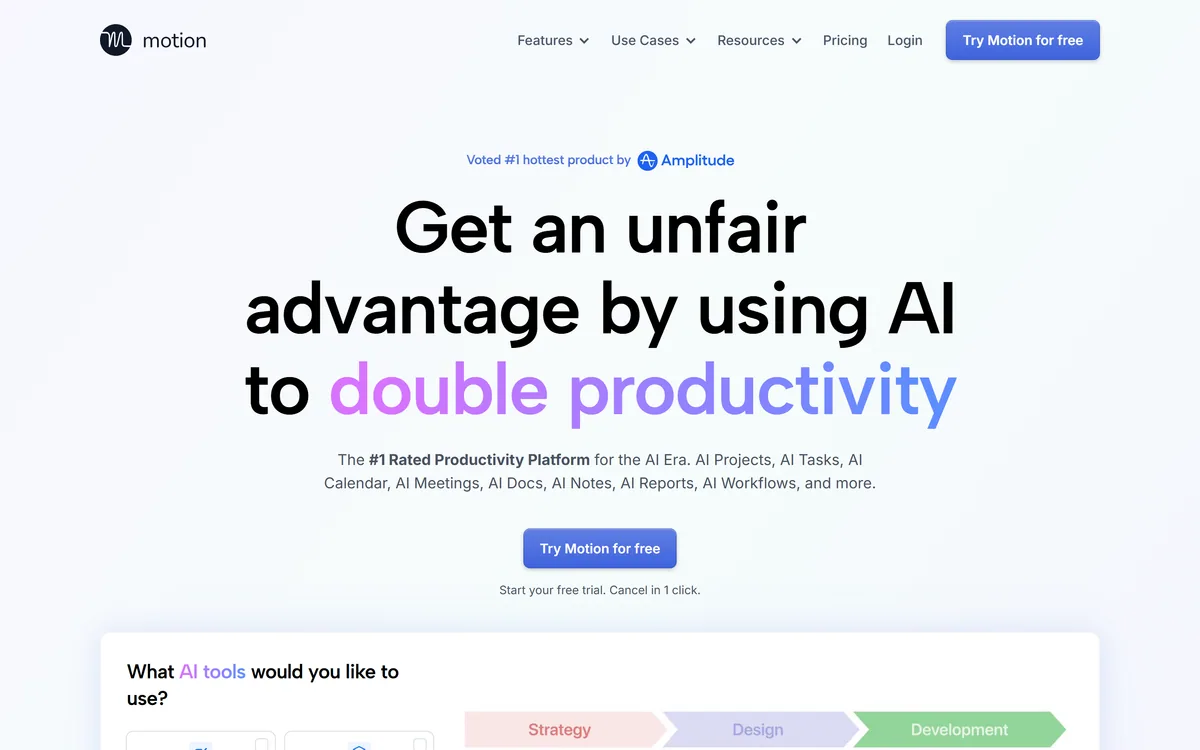
Motion is an all-in-one AI productivity app that combines auto-scheduled tasks, calendar, project management and an AI notetaker, automatically slotting your work into your calendar around meetings and priorities. It suits busy professionals and teams wanting one app for everything, with a learning curve, data-centralisation and meeting-consent caveats.
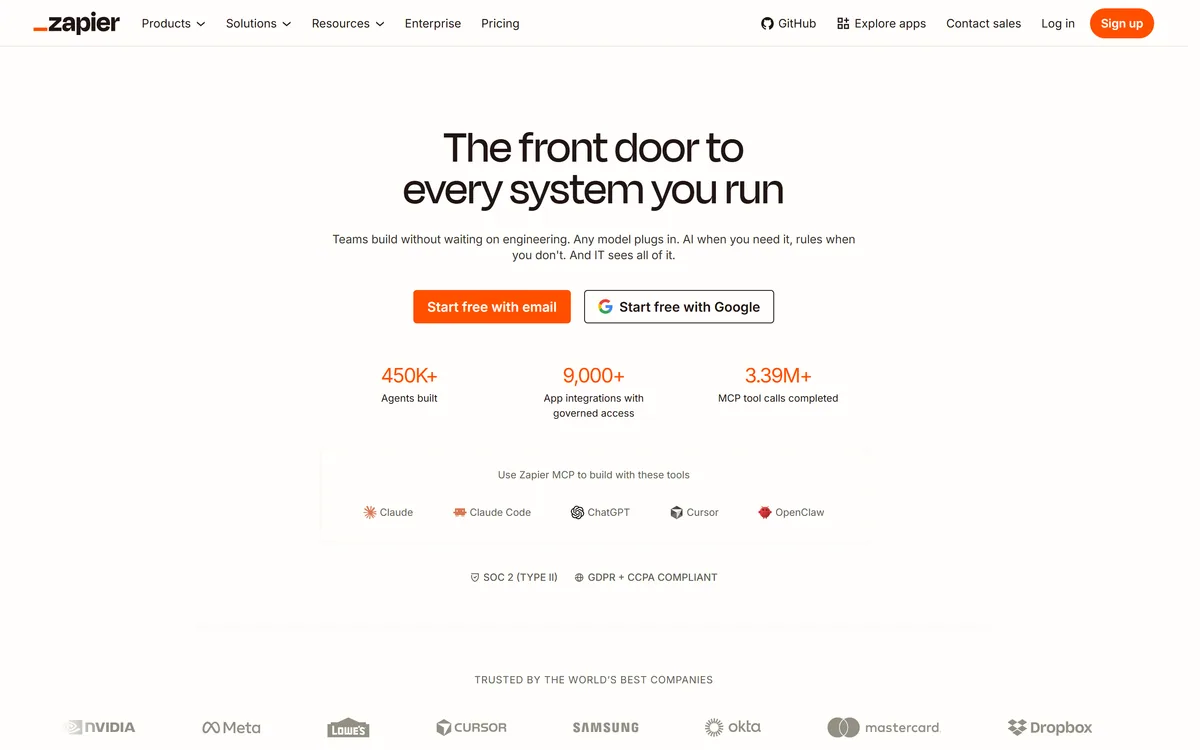

Zapier's AI layer adds agents and MCP tool access on top of its automation platform, connecting more than 9,000 apps with governed access so teams can mix AI decisions with deterministic rules under central oversight.
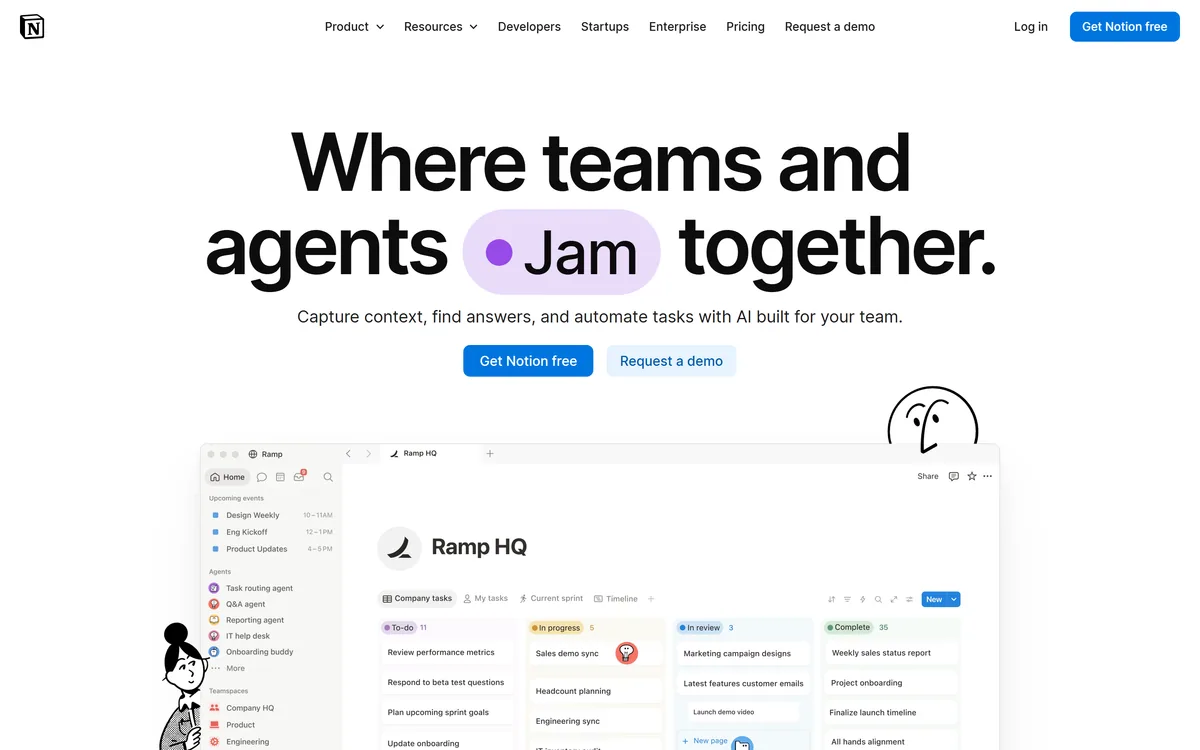

Notion AI is the assistant built into Notion — writing and editing in docs, agents that run recurring work like triage and reporting, AI Meeting Notes, and Enterprise Search across connected tools such as Slack, GitHub, Gmail, and Google Drive.
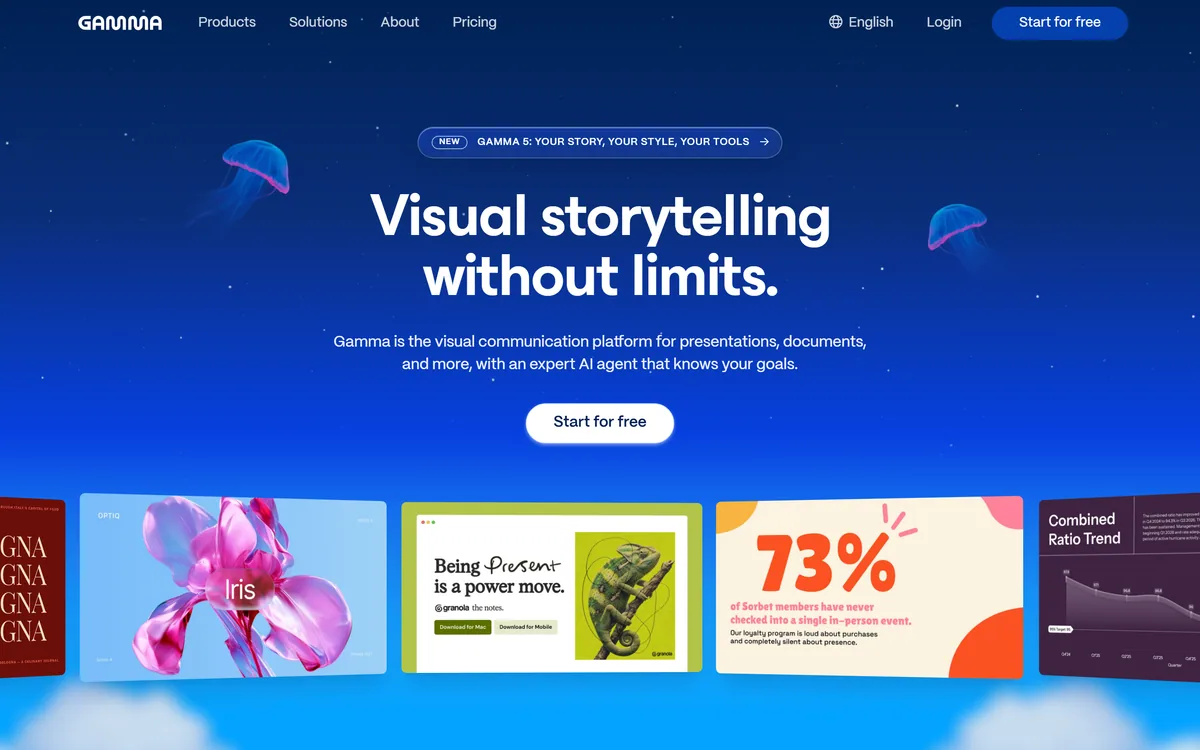
Gamma is a visual communication platform with an AI agent that turns an idea into presentations, documents or websites. It brainstorms an outline, designs a look from a prompt or inspiration, refines freeform, and imports and exports PowerPoint and PDF with 25+ connectors.
Related Pages