
Revuze review on AInexfinder — paid AI tool for Business & Marketing. Features, pricing notes, and alternatives.
Business & Marketing Review
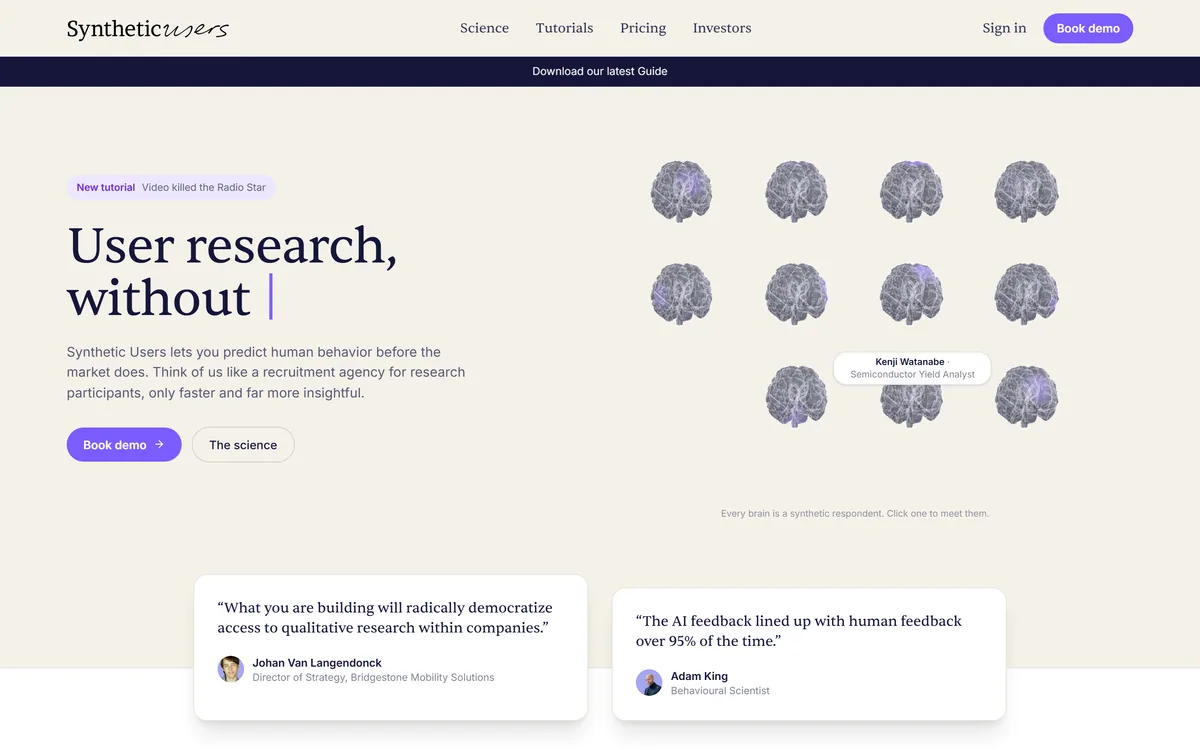
Synthetic Users is an AI user-research platform that simulates research participants, from procurement officers to clinicians, so teams can run fast, cheap interviews to explore problems and refine questions. The vendor positions it as a discovery co-pilot, not a replacement for research with real people.
Good
Synthetic Users earns 3.6 as a useful but easily misused tool: AI-simulated participants let product teams explore a problem space, generate hypotheses and refine interview guides in minutes, at a fraction of the cost of recruiting people. The validity line is the whole story, though: synthetic respondents are model predictions that can echo stereotypes and miss real surprises, and its parity figures are vendor-cited measures of thematic overlap. Commendably, the vendor itself calls it a co-pilot, not a replacement, so use it to prepare for real research, never to substitute for it. AInexfinder Editor Score: 3.6/5.
Best for: Early discovery; Interview-guide design
The visit link goes to syntheticusers.com, the official site. Paid placements on AInexfinder are always labelled. How we make money
User research is slow and expensive: recruiting the right participants, scheduling interviews and synthesising findings can take weeks. Synthetic Users offers a radical shortcut, interviewing AI-simulated participants instead of people.
You define who you want to hear from, such as a procurement officer, a clinician or a retail manager, and run interviews with synthetic respondents in minutes. It sits among research and go-to-market tools like Clay, but it addresses a different question: what might these people think, before you ask them for real.
This review covers what Synthetic Users actually does, the evidence it cites, who it fits, and why the validity line matters.
| What it is | An AI platform for simulated user research |
|---|---|
| Respondents | AI personas across roles and industries |
| Method | Fast synthetic interviews and analysis |
| Positioning | A discovery co-pilot, not a replacement (vendor) |
| Evidence cited | Parity studies and published papers (vendor-cited) |
| Pricing model | Per-interview pricing (vendor-stated) |
| Security | SOC 2 (vendor-stated) |
| Access | Demo-led, with self-serve options |
Synthetic Users replaces recruited participants with AI respondents built to represent specific roles and contexts, so a product team can 'interview' a paediatric oncologist or a port logistics planner in minutes. For early exploration, that speed and low cost are genuinely appealing.
The idea is not as far-fetched as it sounds. Large language models encode a great deal about how different professions talk and what they worry about, so simulated interviews can surface plausible themes, objections and vocabulary quickly.
But there is a hard validity line. A synthetic respondent is a model's prediction of what such a person might say, not a person with real experiences, constraints and contradictions. It can echo stereotypes, sound more articulate and agreeable than real people, and miss the unexpected behaviour that makes real research valuable.
To its credit, Synthetic Users itself says it is a discovery co-pilot, not a replacement for real research, designed to front-load the problem space and help you spend your real research budget more wisely. That is exactly how it should be used, and how we score it.
A synthetic respondent is a model's prediction of what a person might say, not a person; use it to prepare for real research, not to replace it.
The platform produces simulated interviews and points to evidence that they resemble real ones.
You describe the audience and research goals, and Synthetic Users generates respondents and runs interviews, returning transcripts and synthesis without recruitment fees or scheduling. That makes it fast to test several audiences, compare segments or pressure-test an interview guide.
For grounding in what real customers already say in public, a monitoring tool like BrandMentions surfaces genuine conversations, a useful real-world check against simulated opinions.
Synthetic Users cites comparison studies reporting substantial overlap between synthetic and real interview themes, a quote that AI feedback matched human feedback most of the time, and a list of published work supporting the approach. These are vendor-cited, and 'thematic overlap' is not the same as predicting what real people will actually do or buy.
If you want to read the underlying research yourself, a literature search tool like Consensus can help you find independent studies on synthetic respondents and LLM-simulated surveys, including their known biases.
Synthetic Users fits product managers, UX researchers, founders and strategists who want to explore a problem space fast, draft and refine interview guides, generate hypotheses, or prepare before talking to hard-to-reach professionals.
It suits teams with limited research budgets who want to spend real interviews more wisely, and researchers who use synthetic runs to spot gaps in their questions before fieldwork.
It does not fit decisions that must rest on real user evidence, such as launches, pricing, regulated or high-stakes products, or research on under-represented groups where models may encode bias. Treat its parity figures and testimonials as vendor-cited claims.
Synthetic Users describes per-interview pricing far below traditional agency research, with demos and self-serve options. We do not publish prices, which change; check the site.
The value question is not just cost per interview but what the interviews are worth: cheap synthetic answers are valuable for exploration and preparation, and misleading if treated as evidence.
The sensible approach is to budget it as a pre-research tool, use synthetic runs to sharpen questions and hypotheses, then spend real money on real participants to validate what matters.
Because the risk is mistaking simulation for evidence, trial Synthetic Users against research you have already done with real people.
AI-simulated research participants
Custom audience definitions
Synthetic interviews
Transcripts and synthesis
Multiple personas and segments
Interview-guide testing
SOC 2 security (vendor-stated)
Per-interview pricing
The useful comparison is with the ways teams learn from real people.
| Tool | Approach | Strength | Best for |
|---|---|---|---|
| Synthetic Users | Fast, cheap simulated interviews | Exploration and question design | Early discovery |
| Real user interviews | Genuine experience and surprises | Evidence for decisions | Validation |
| Surveys and panels | Real responses at scale | Quantifying patterns | Measuring prevalence |
| BrandMentions | Monitoring real online talk | What customers already say | Real-world voice signals |
Last checked . Read from syntheticusers.com during this check, with the screenshot above captured at the same time.
Synthetic respondents are model predictions, not people; they can reflect stereotypes and miss real surprises. Parity figures are vendor-cited and measure thematic overlap, not real behaviour. Use the tool to prepare for real research, never to replace it.
A GTM data tool, a literature-search tool and a brand monitor to weigh alongside Synthetic Users.
AInexfinder does not list plan prices or billing details. For current pricing, plans, and trials, visit the official Synthetic Users website.
Visit official website for pricingVendor pricing, credits, and billing policies change over time. Always confirm on the official site before you buy.
Synthetic Users earns an AInexfinder Editor Score of 3.6/5 (good). Best for: Early discovery; Interview-guide design; Hypothesis generation.
Visit Synthetic UsersLog in to write a review.
No reviews yet. Be the first to share your experience with Synthetic Users.
Assigned reviewer
Daniel ReedSenior AI Tools Reviewer
Daniel leads AInexfinder's tool reviews. He researches each tool from its own pricing, documentation and policies, checks its claims against independent sources, and writes up what it does well, where it falls short and who it genuinely suits.
Daniel and the AInexfinder editorial team research Synthetic Users from its own website, pricing, documentation and policies, checked against independent sources. This review is research-based: unless its method note says otherwise, we have not bought a plan or run hands-on tests. The Editor Score is our editorial judgement, and payment never changes it.
Similar Tools
Revuze review on AInexfinder — paid AI tool for Business & Marketing. Features, pricing notes, and alternatives.
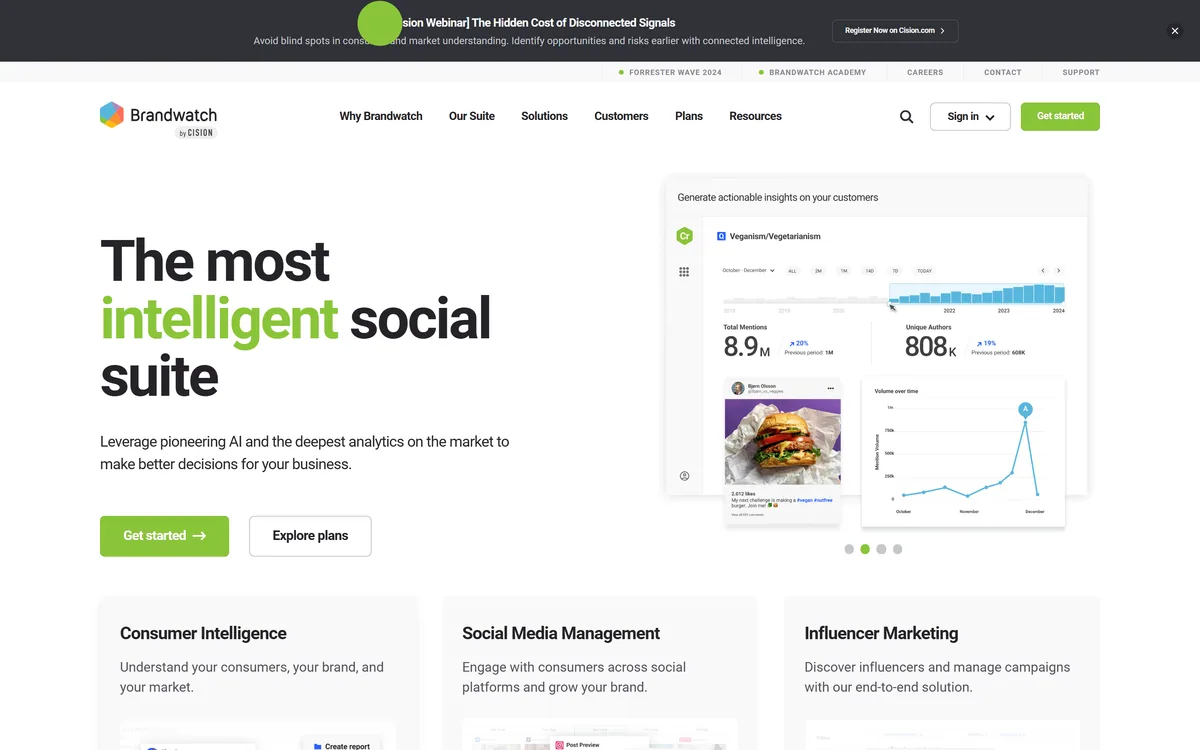
Brandwatch is a Cision-owned enterprise suite covering consumer intelligence, social media management, influencer marketing and media intelligence. It monitors over 100 million sources, applies its Iris AI layer to the results, and is bought by large brands as a single platform rather than as point tools.
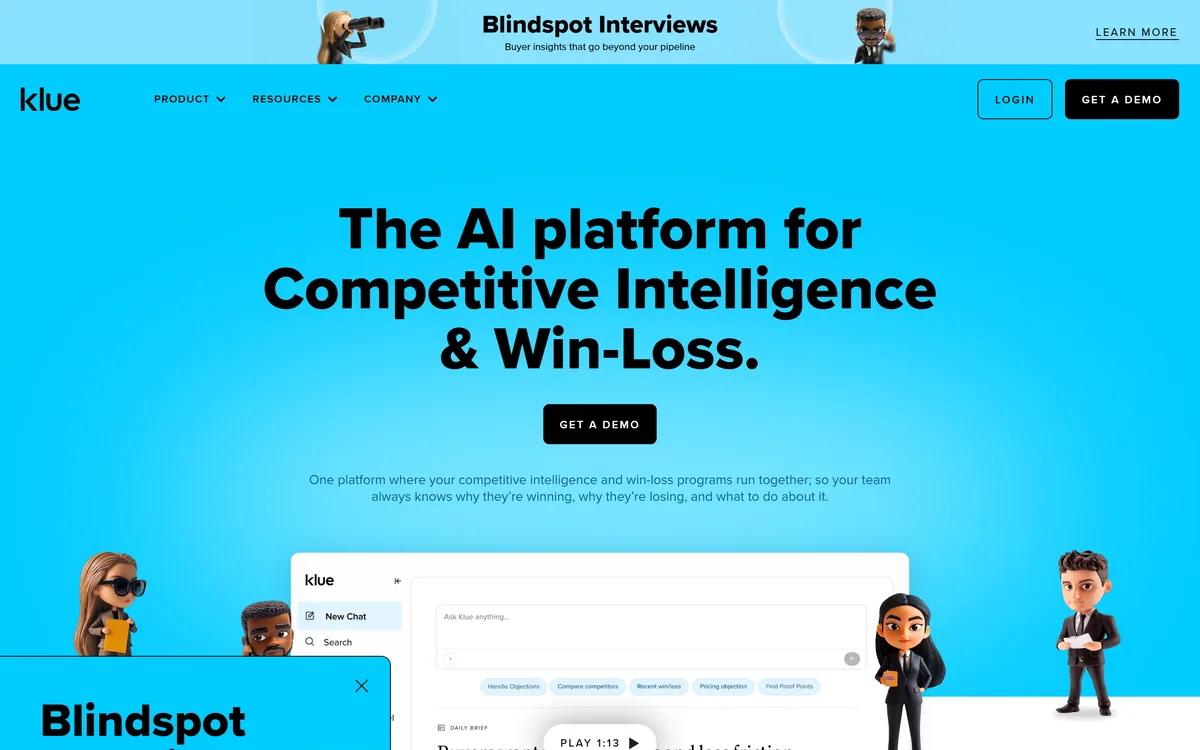
Klue is an AI platform that unites competitive intelligence and win-loss programs: a Compete Agent that collects intel and answers sellers in real time, living battlecards, and a Win-Loss Suite of verified buyer interviews, so revenue teams know why they win and lose and what to do about it.
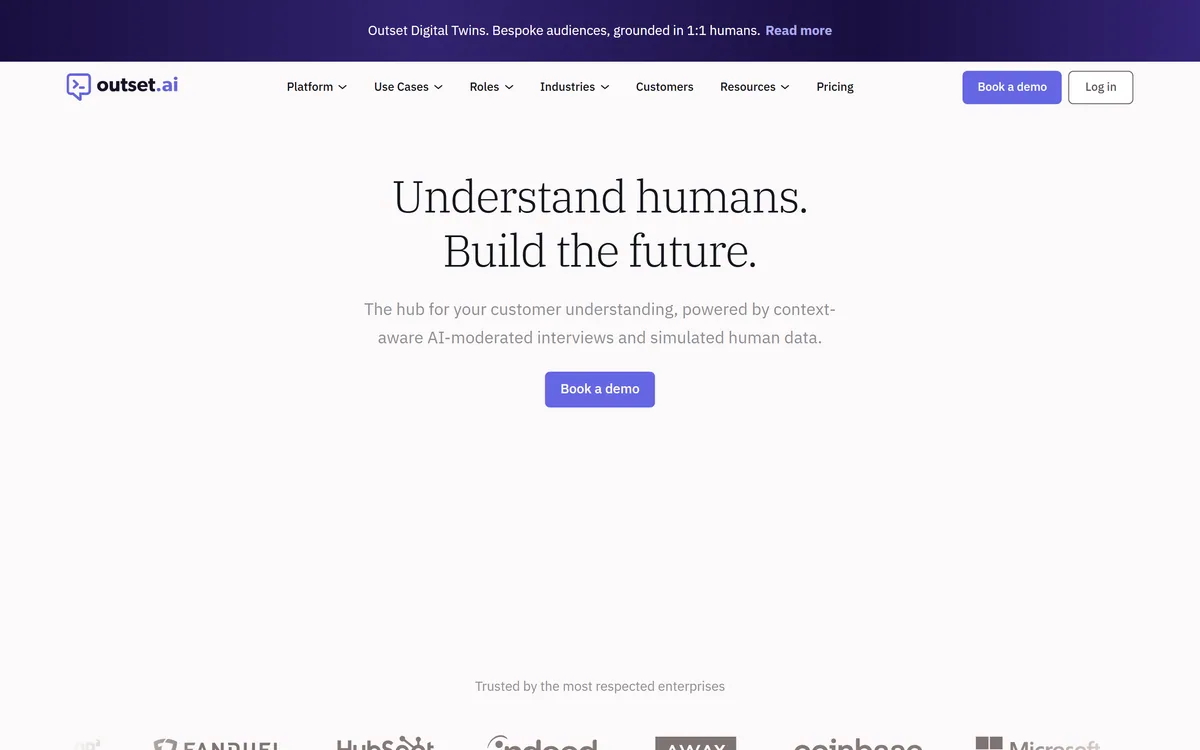
Outset runs AI-moderated research interviews in video, voice or text, probing dynamically like a human moderator, then synthesises and tags the results automatically. It draws participants from a very large pool across 85+ countries and offers simulated respondents grounded in real human data.
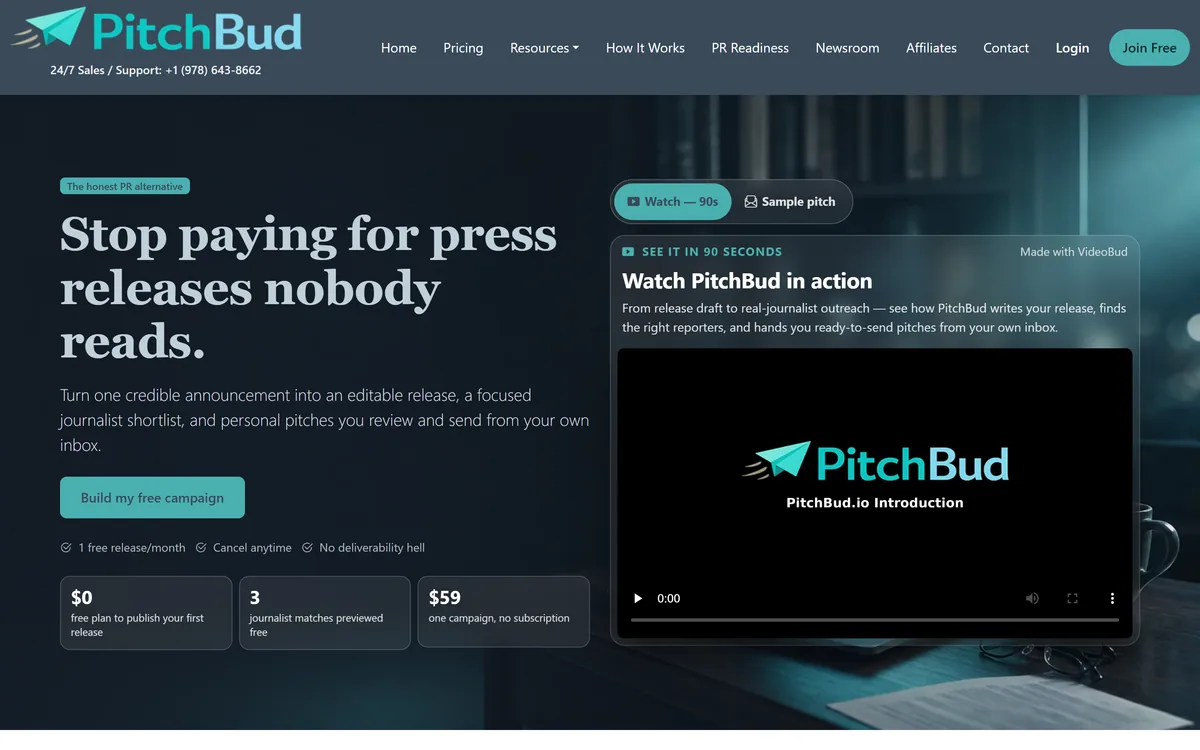
PitchBud is a press outreach tool that drafts a release with Claude Sonnet, publishes it to a newsroom URL with NewsArticle schema and RSS, matches relevant journalists by their recent work, and drafts personal pitches you review and send yourself.
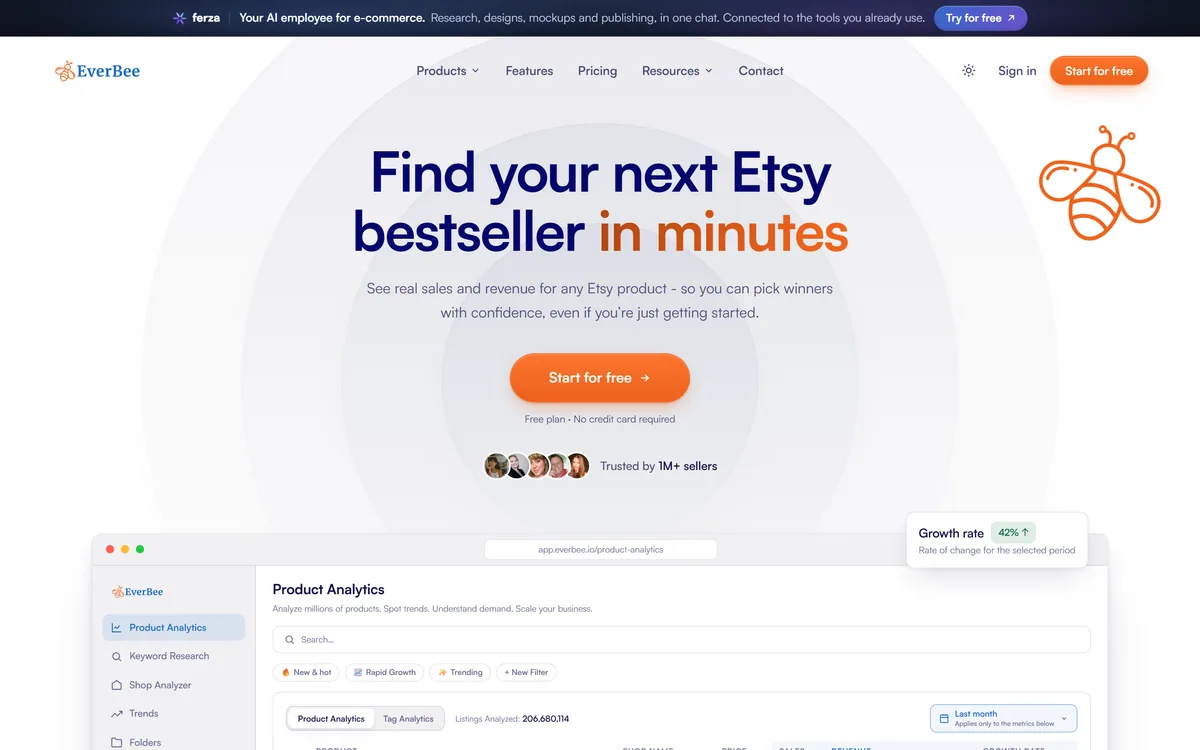
Etsy product research and sales analytics for sellers Category: Business & Marketing.
Related Pages