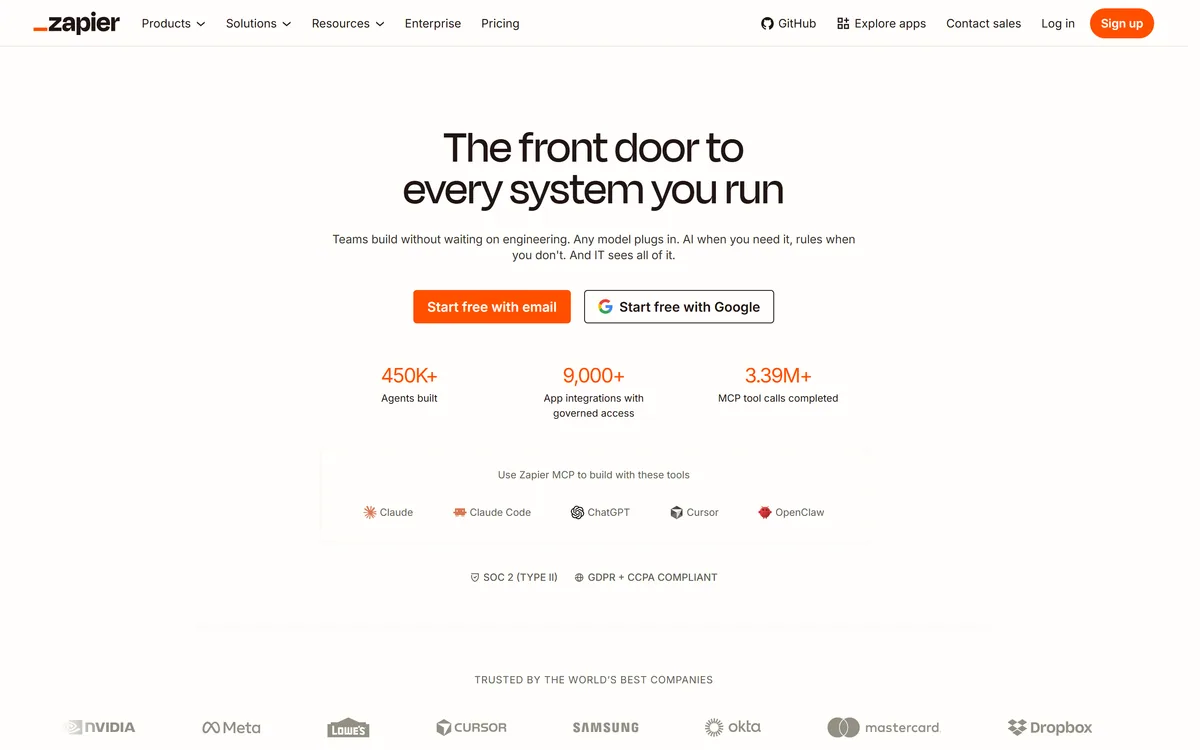

Zapier's AI layer adds agents and MCP tool access on top of its automation platform, connecting more than 9,000 apps with governed access so teams can mix AI decisions with deterministic rules under central oversight.
Productivity & Automation Review

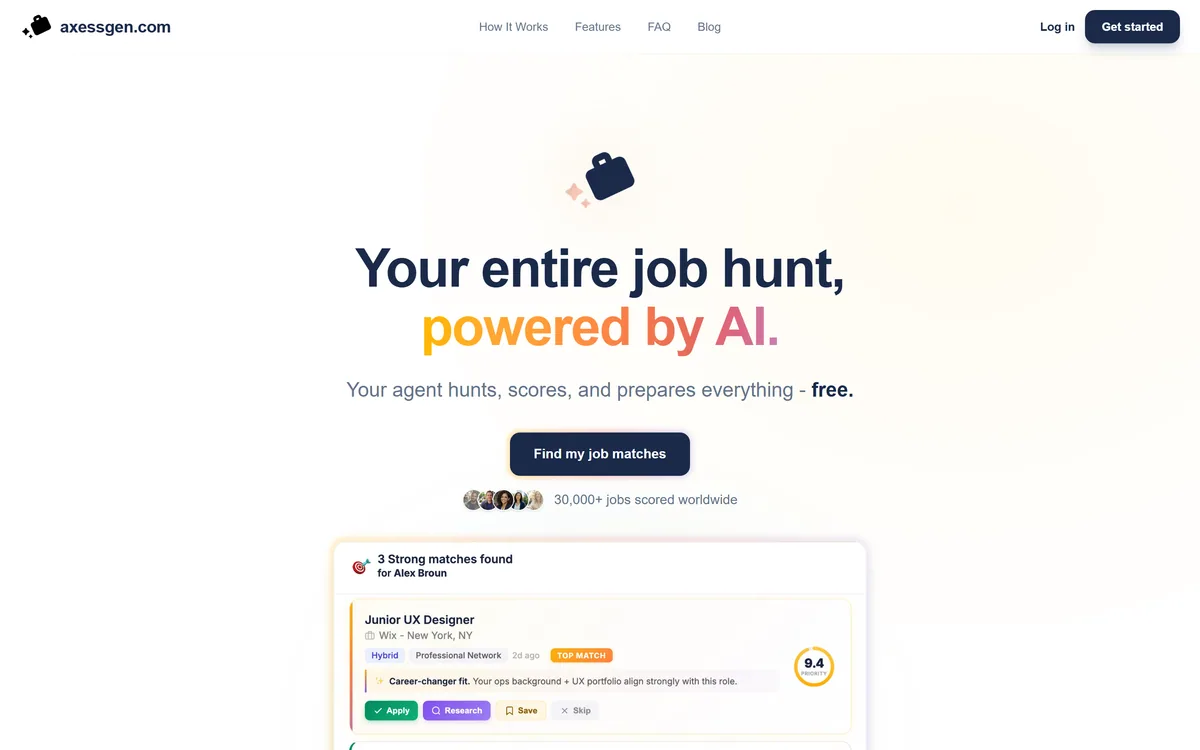
axess is a free AI job-search tool that scans LinkedIn, Indeed and Glassdoor daily, scores each role against your profile on both relevance and likelihood, researches the employer, and prepares a tailored CV and cover letter for the matches worth pursuing.
Good
The dual score is a genuinely better idea than the single match percentage the rest of the category ships, because it separates whether a job suits you from whether you suit the job — two different questions that a single number blurs into uselessness. Continuous scanning addresses the real structural problem, which is that good roles are filled while you are at work. It stops short of a higher score because the tailored materials still need reading before they go anywhere, and because no matching tool can fix a market where the best roles never reach a public posting. AInexfinder Editor Score: 3.9/5.
Best for: People job-hunting while employed, with only evenings to search; Anyone who keeps finding good roles after they have been filled
The visit link goes to axessgen.com, the official site. Paid placements on AInexfinder are always labelled. How we make money
Job searching is a scheduling problem disguised as a skills problem. The good roles are posted continuously and filled quickly, and you can only look in the evenings — so the search becomes a race you are structurally losing while also being told your CV is the issue.
axess inverts the timing. You set up a profile once, and it searches while you are doing something else, scoring what it finds and preparing materials for the matches worth a real application. That is a different proposition from a CV builder like Teal, which improves the document and leaves the searching to you.
This review covers why the two-score approach is a genuinely better idea than a single match percentage, what continuous scanning does and does not fix, where the tailored materials help, and the one thing about this category that nobody advertises.
| Site | axessgen.com |
|---|---|
| Category | AI job search, matching and application materials |
| Named features | Smart Notifications, Tailored Materials, AI Dual Scoring, Company Research, Dashboard |
| Scoring model | Relevance and likelihood, scored separately |
| Job sources | LinkedIn, Indeed, Glassdoor |
| Stated coverage | The site gives two different figures — 30,000+ jobs scored worldwide in the hero, 33K+ scanned daily in its stats band |
| Inputs | CV or resume upload, plus a profile questionnaire |
| Outputs | Ranked matches, tailored CVs, cover letters, company research summaries |
| Stated speed | Customised materials in under 60 seconds |
| Applying | You review and apply — it does not submit on your behalf |
| Cost | Stated as free, with no payment required and no card |
| Site sections | Get started, blog, help centre, contact, privacy policy, terms of service |
| Free tier | Up to 5 job matches a day, all features, no payment required |
Almost every matching tool gives you a single number: how well this job matches your profile. That number is close to useless on its own, because it answers only half the question a job seeker actually has.
Relevance asks whether the role suits you — the work, the level, the domain, what you want next. Likelihood asks whether you would realistically get it given the stated requirements and your actual background. They come apart constantly, and the interesting cases are exactly where they disagree.
High relevance with low likelihood is the stretch application: worth doing occasionally, with a genuinely tailored effort, and worth knowing that is what you are doing. Low relevance with high likelihood is the job you could walk into and would resent in four months — the trap that a single match score actively hides.
The practical value is triage. Twenty matches split into 'apply properly', 'apply if you have time' and 'do not bother' is a plan. Twenty matches with a percentage next to each is a list.
A single match score tells you a job is a 78% fit. It never tells you whether that 78% is your ceiling or your floor.
The stated coverage is 33,000+ jobs daily across LinkedIn, Indeed and Glassdoor. That number is the vendor's own and this page does not treat it as verified — but the mechanism behind it is worth understanding regardless.
The real advantage is not volume, it is timing. Applications submitted in the first day or two of a posting are read by a human with an empty pile; applications submitted on day nine arrive after the shortlist has taken shape. A search running continuously catches postings while that still matters, which is the single thing an evenings-and-weekends search cannot do.
The second advantage is breadth of source. Most people search one board out of habit and never see the roles posted only to the others.
What it does not fix is competition. Faster and better-targeted applications improve your odds; they do not change the fact that a good role attracts hundreds of candidates. Anyone selling job-search automation as a solution to the market rather than to your admin is overselling.
The materials side covers a tailored CV, a cover letter matched to the role and a company research summary, generated in under a minute per the site. If you only want the document polished rather than the search run, a dedicated builder such as Resume Worded covers that ground more thoroughly.
Company research is the underrated one. The gap between a generic application and a good one is almost always specificity — knowing what the company actually does, what changed recently, why this role exists now. That research takes twenty minutes per application by hand, which is why almost nobody does it for more than three.
The discipline that matters is the same as with any tailoring tool: read every version before it goes out. Generated tailoring drifts. A phrase that reads as reasonable emphasis in draft four has become a claim you cannot defend by draft twelve, and you will be interviewed on it.
The other habit worth building early is keeping track of which version went where. Twenty tailored CVs means twenty documents, and a recruiter calling about a role you half remember is a bad moment to discover you cannot find the one they read.
Handing a job-search tool your CV, your work history and your salary expectations is handing over a detailed professional profile, and it is worth a moment's thought about where that sits.
axess states it is free with no payment required. Free is genuinely good for a job seeker — the people who most need help searching are frequently between salaries — but 'free' always has a model behind it, and knowing whether it is future paid tiers, recruiter-side products or something else is a reasonable thing to establish from the privacy policy rather than assume.
This is not a criticism of axess, whose privacy policy and terms are published in the usual place. It is a habit worth having across the whole category, because a CV is one of the more revealing documents most people own.
The related point in the product's favour: it does not mass-apply for you. Tools that submit applications automatically put your name on things you have not read, and the first you know is a rejection from a company you would never have approached. Keeping the human at the send button is the right design.
The setup determines everything downstream, and rushing it produces a stream of confidently mismatched roles.
Continuous job scanning across LinkedIn, Indeed and Glassdoor
AI dual scoring — relevance and likelihood assessed separately
Tailored CVs adapted per role
Cover letters matched to the specific posting
Company and role research summaries
Smart notifications when strong matches appear
Dashboard tracking the state of the search
CV upload plus a profile questionnaire as setup
These divide by how much they do for you, and how much you still decide.
| Tool | Core job | Applies for you | Focus |
|---|---|---|---|
| axess | Finds, scores and prepares materials | No — you review and send | Search plus dual scoring |
| Jobsuit AI | Analyses and tailors against a pasted job description | No | Document quality, one role at a time |
| ApplyArc | Application workflow and tracking | Varies | Managing the process |
| Careered | Broader career and application support | No | Guidance alongside documents |
| Kickresume | Building the CV itself | No | Templates and content |
Last checked . Checked against the product site during this review, with the screenshot above captured at the same time.
The daily job-scan figure and the speed claim are the vendor's own and have not been independently verified. The note about data and free products is a general point about the category, not a finding about this company — its privacy policy and terms are published in the usual place.
Finding roles, writing documents and tracking applications are three jobs people usually solve with three tools.
AInexfinder does not list plan prices or billing details. For current pricing, plans, and trials, visit the official axess website.
Visit official website for pricingVendor pricing, credits, and billing policies change over time. Always confirm on the official site before you buy.
axess earns an AInexfinder Editor Score of 3.9/5 (good). Best for: People job-hunting while employed, with only evenings to search; Anyone who keeps finding good roles after they have been filled; Candidates who default to one board and miss the others.
Visit axessLog in to write a review.
No reviews yet. Be the first to share your experience with axess.
Assigned reviewer
Daniel ReedSenior AI Tools Reviewer
Daniel leads AInexfinder's tool reviews. He researches each tool from its own pricing, documentation and policies, checks its claims against independent sources, and writes up what it does well, where it falls short and who it genuinely suits.
Daniel and the AInexfinder editorial team research axess from its own website, pricing, documentation and policies, checked against independent sources. This review is research-based: unless its method note says otherwise, we have not bought a plan or run hands-on tests. The Editor Score is our editorial judgement, and payment never changes it.
Similar Tools
Zapier's AI layer adds agents and MCP tool access on top of its automation platform, connecting more than 9,000 apps with governed access so teams can mix AI decisions with deterministic rules under central oversight.
Self-maintaining AI knowledge base for teams Category: Productivity & Automation.
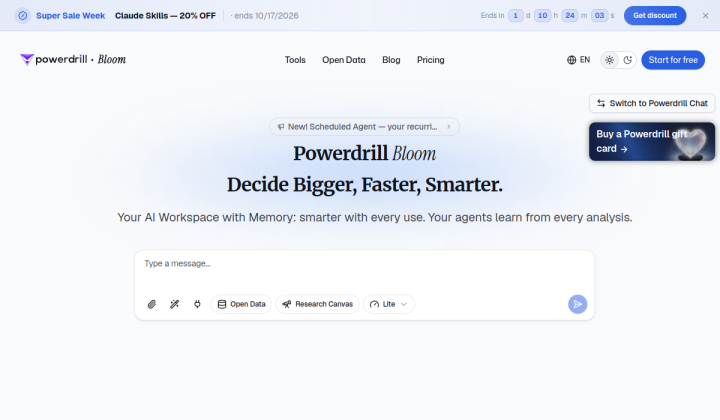
AI data workspace with memory and agent teams Category: Productivity & Automation.

Enterprise AI assistant for work search and agents Category: Productivity & Automation.
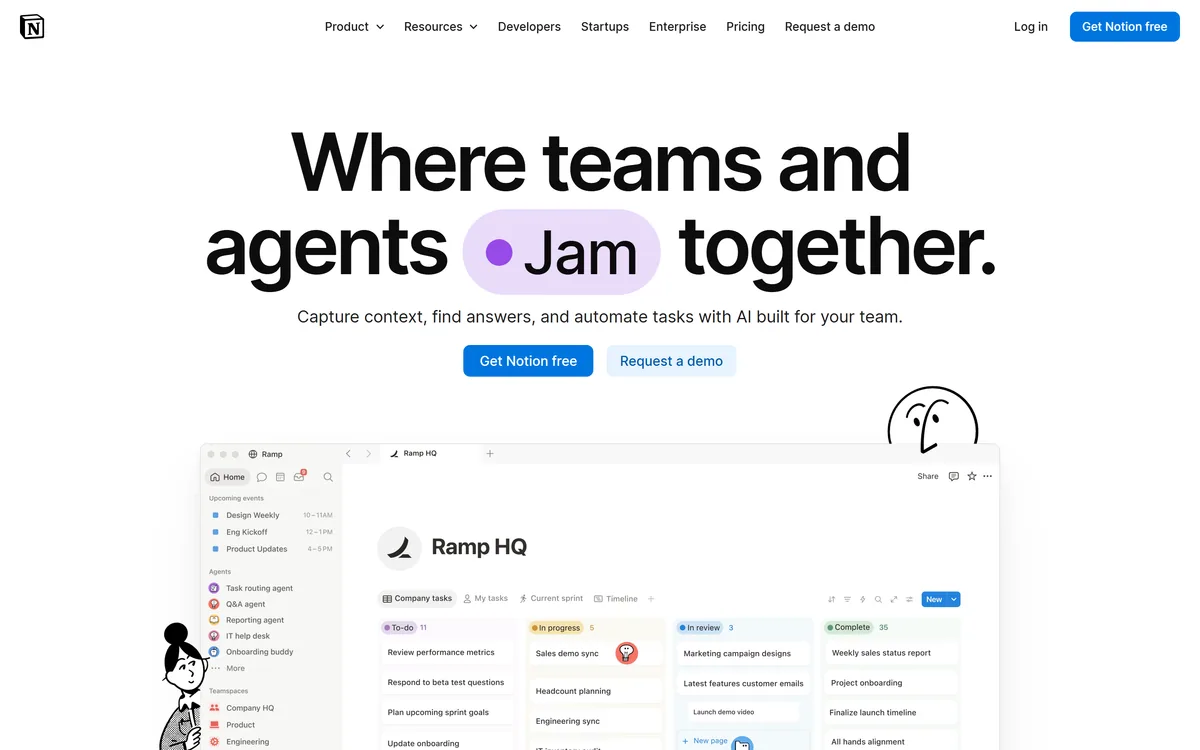

Notion AI is the assistant built into Notion — writing and editing in docs, agents that run recurring work like triage and reporting, AI Meeting Notes, and Enterprise Search across connected tools such as Slack, GitHub, Gmail, and Google Drive.
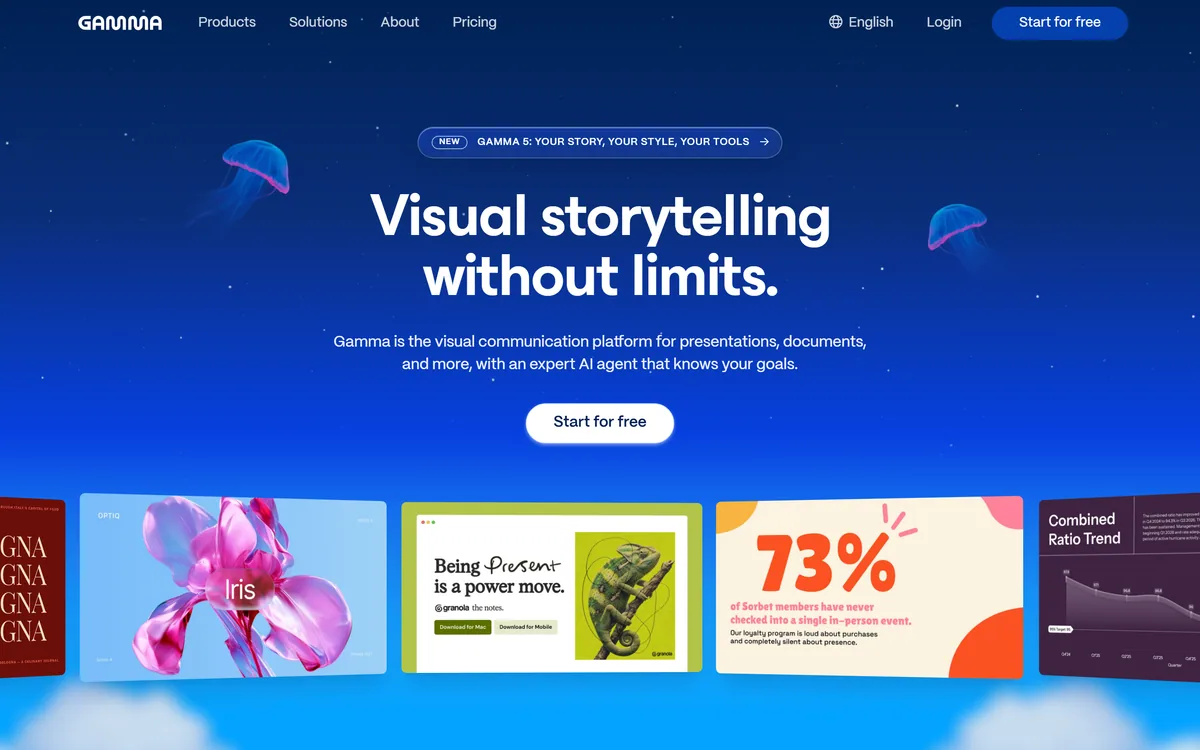
Gamma is a visual communication platform with an AI agent that turns an idea into presentations, documents or websites. It brainstorms an outline, designs a look from a prompt or inspiration, refines freeform, and imports and exports PowerPoint and PDF with 25+ connectors.
Related Pages