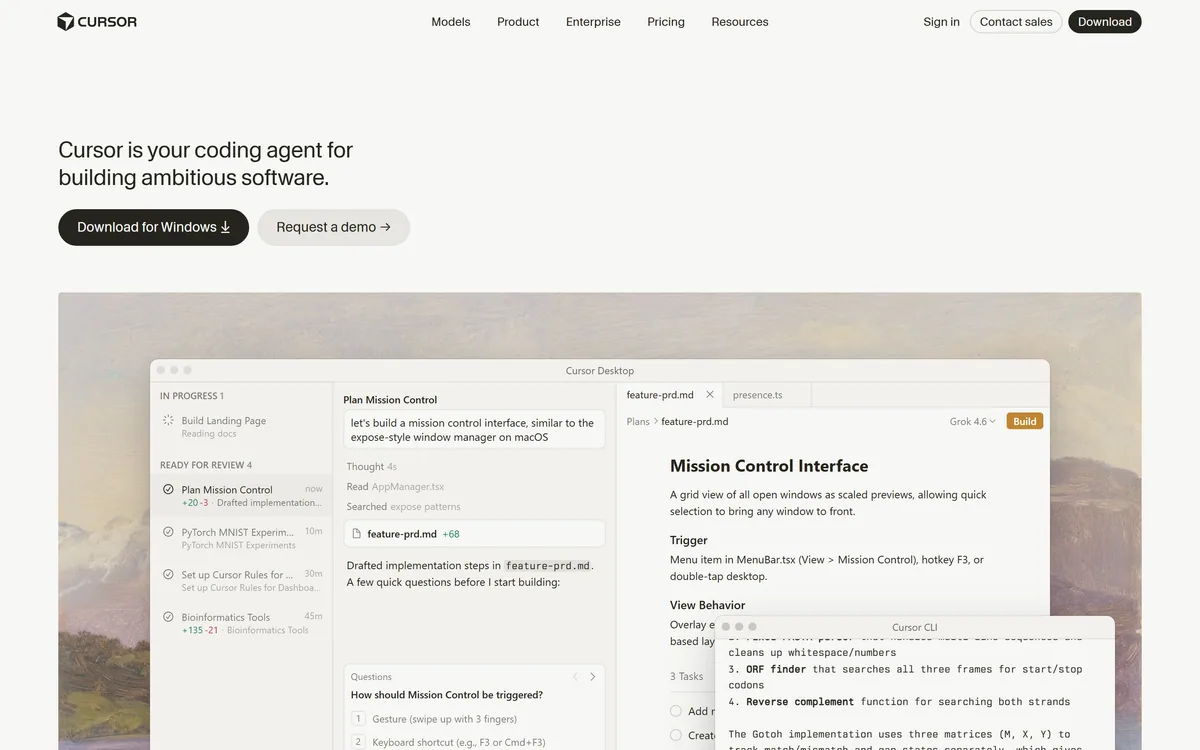

Cursor is an AI-first code editor and agent platform from Anysphere — now a SpaceX subsidiary — that plans, writes, tests, and reviews code across your repository from the desktop editor, a CLI, the web, and Slack.
Coding & Development Review
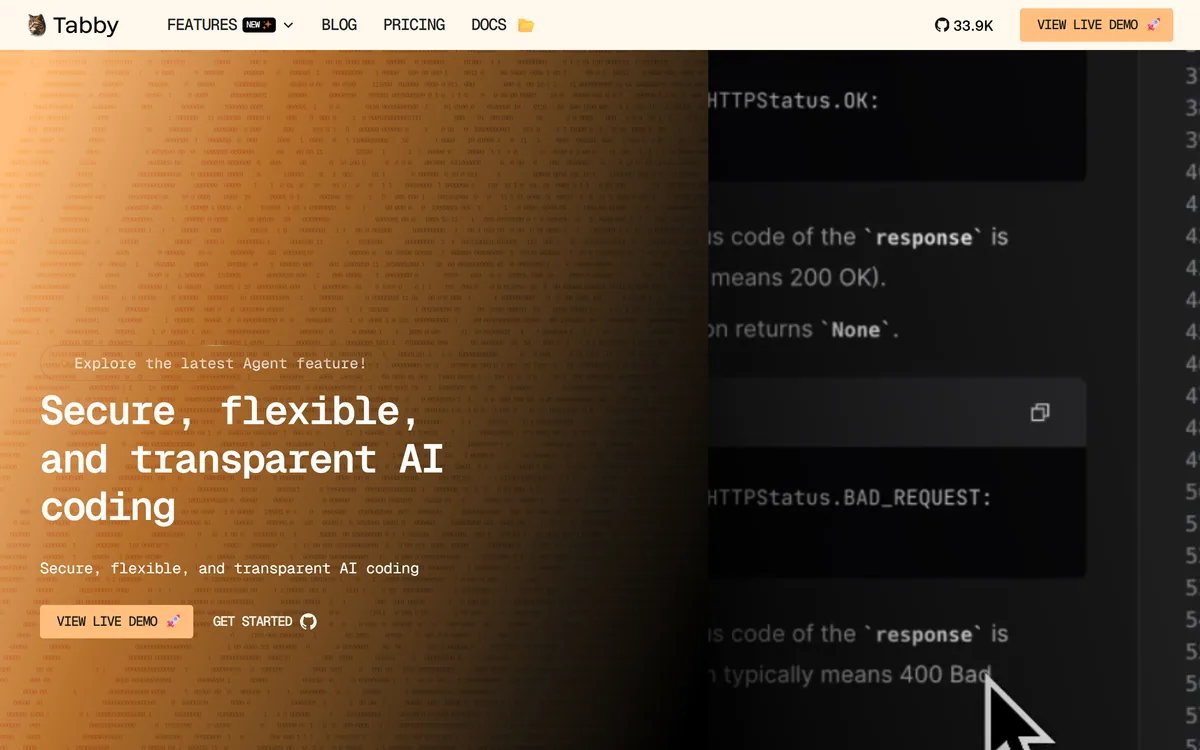
Tabby is an open-source, self-hosted AI coding assistant offering code completion, chat and an agent feature, built so teams can run AI coding on their own infrastructure for security, transparency and control rather than sending code to a cloud service.
Very good
Tabby earns 4.1 for doing one thing that matters a lot to the right teams: an open-source AI coding assistant you self-host, so code never leaves your network and you can inspect the tool itself. Its public page is thin and it trades some cloud polish for control, so it is overkill for anyone without a real reason to self-host, but for security-conscious and regulated teams it removes a genuine blocker. AInexfinder Editor Score: 4.1/5.
Best for: Regulated engineering teams; Strict IP/data-residency shops
The visit link goes to tabbyml.com, the official site. Paid placements on AInexfinder are always labelled. How we make money
Cloud AI coding assistants are convenient, but for some teams, regulated, security-conscious, or simply privacy-minded, sending proprietary code to a third-party service is a non-starter. Tabby exists for exactly those teams.
It is an open-source, self-hosted AI coding assistant, code completion, chat and an agent feature, that you run on your own infrastructure. Where cloud assistants like JetBrains Junie keep the model on the vendor's side, Tabby's defining choice is that you host it.
This review covers why self-hosting Tabby matters, who gains from it, how its open-source and paid sides work, and who is better served by a cloud tool. We note up front that its public page is light on detail, so we keep claims to what is verifiable.
| What it is | A self-hosted AI coding assistant |
|---|---|
| Licence | Open source |
| Deployment | On your own infrastructure |
| Core | Code completion and chat |
| Newer | An agent feature |
| Pitch | Security, transparency and control |
| Community | Strong GitHub traction (vendor-shown stars) |
| Access | Self-host free; paid/hosted tiers implied |
Tabby's one defining decision is where the model runs: on your infrastructure, not a vendor's cloud. For most developers that is a detail; for the teams Tabby targets, it is the entire reason to choose it.
That matters because a cloud coding assistant means your source code leaves your environment to be processed elsewhere, which some organisations cannot allow for security, compliance or IP reasons. Self-hosting removes that objection at its root.
Being open source compounds the appeal: you can inspect what it does rather than trust a black box, and its community traction on GitHub is a genuine signal of real-world use. A fair caveat, though, is that the marketing page is sparse, so we describe the pitch and keep the specifics modest.
A cloud coding assistant means your source code leaves your environment. Self-hosting removes that objection at its root, which is Tabby's entire reason to exist.
The value is not a flashy feature but control, and that splits into two parts.
Because Tabby is open source and self-hosted, your code never has to leave your network, and you can audit and adapt the tool itself. For a security team, those two properties, no data egress and full transparency, are often decisive in a way no feature list is.
That is a different trade from a convenience-first cloud tool. An open-source coding agent like OpenCode shares the transparency instinct; Tabby adds the self-hosting that keeps everything in-house.
On capability, Tabby provides the expected core, code completion and chat, and has added an agent feature for more autonomous work, with a live demo and docs available. These are table stakes for a coding assistant, delivered under a self-hosted model.
The realistic expectation is that a self-hosted assistant trades some of the frontier polish of a big cloud tool for control. A cloud option like Replit AI may feel more turnkey; Tabby's bet is that control is worth more to its users than the last increment of convenience.
Tabby suits teams that cannot or will not send code to a cloud: regulated industries, security-conscious enterprises, defence and government-adjacent work, and anyone with strict IP or data-residency rules.
It also suits open-source-minded developers who value transparency and the ability to run and adapt their own tools, and teams that want to avoid per-seat cloud lock-in by hosting their own assistant.
It suits less well a solo developer or small team that just wants the easiest possible setup, since self-hosting adds operational work, and anyone who wants the absolute frontier model with zero infrastructure. For them, a managed cloud assistant is the pragmatic choice.
Tabby is open source and free to self-host, with a pricing page indicating paid or hosted tiers for teams that want more than the free self-hosted route. We do not publish prices, which change; check the site.
The value equation is different from a pure SaaS tool: the "cost" of the free path includes the infrastructure and operational effort to run it, which is real but buys you control and keeps code in-house.
For a team with the capability to self-host, that trade is often worth it; for one without, the paid or hosted options, or a cloud competitor, may be the better call. Weigh the ops cost honestly, not just the licence. The open-source licence also means there is no per-seat meter working against you as the team grows, which can matter more than any single feature once an assistant is rolled out widely across an engineering org.
Because the pitch is control through self-hosting, trial it by actually standing it up, not just reading about it.
Open-source codebase
Self-hosted deployment
Code completion
Chat
An agent feature
Runs on your own infrastructure
Live demo and docs
Community traction on GitHub
The useful comparison is between self-hosted control and cloud convenience.
| Tool | Tool | Model | Best for |
|---|---|---|---|
| Tabby | Open-source, self-hosted | Control, privacy, transparency | Security-conscious teams |
| OpenCode | Open-source coding agent | Transparent, flexible agent | Open-source-minded devs |
| JetBrains Junie | Cloud IDE agent | In-editor convenience | JetBrains users |
| Replit AI | Cloud dev environment | Turnkey setup | Fast, managed coding |
Last checked . Read from tabbyml.com during this check, with the screenshot above captured at the same time.
Tabby's public page is thin on specifics, so our evidence is limited; we describe the self-hosting pitch and keep capability claims modest where the page does not detail them.
An open-source agent, an IDE agent and a cloud dev tool to weigh alongside Tabby.
AInexfinder does not list plan prices or billing details. For current pricing, plans, and trials, visit the official Tabby website.
Visit official website for pricingVendor pricing, credits, and billing policies change over time. Always confirm on the official site before you buy.
Tabby earns an AInexfinder Editor Score of 4.1/5 (very good). Best for: Regulated engineering teams; Strict IP/data-residency shops; Open-source-minded developers.
Visit TabbyLog in to write a review.
No reviews yet. Be the first to share your experience with Tabby.
Assigned reviewer
Daniel ReedSenior AI Tools Reviewer
Daniel leads AInexfinder's tool reviews. He researches each tool from its own pricing, documentation and policies, checks its claims against independent sources, and writes up what it does well, where it falls short and who it genuinely suits.
Daniel and the AInexfinder editorial team research Tabby from its own website, pricing, documentation and policies, checked against independent sources. This review is research-based: unless its method note says otherwise, we have not bought a plan or run hands-on tests. The Editor Score is our editorial judgement, and payment never changes it.
Similar Tools
Cursor is an AI-first code editor and agent platform from Anysphere — now a SpaceX subsidiary — that plans, writes, tests, and reviews code across your repository from the desktop editor, a CLI, the web, and Slack.
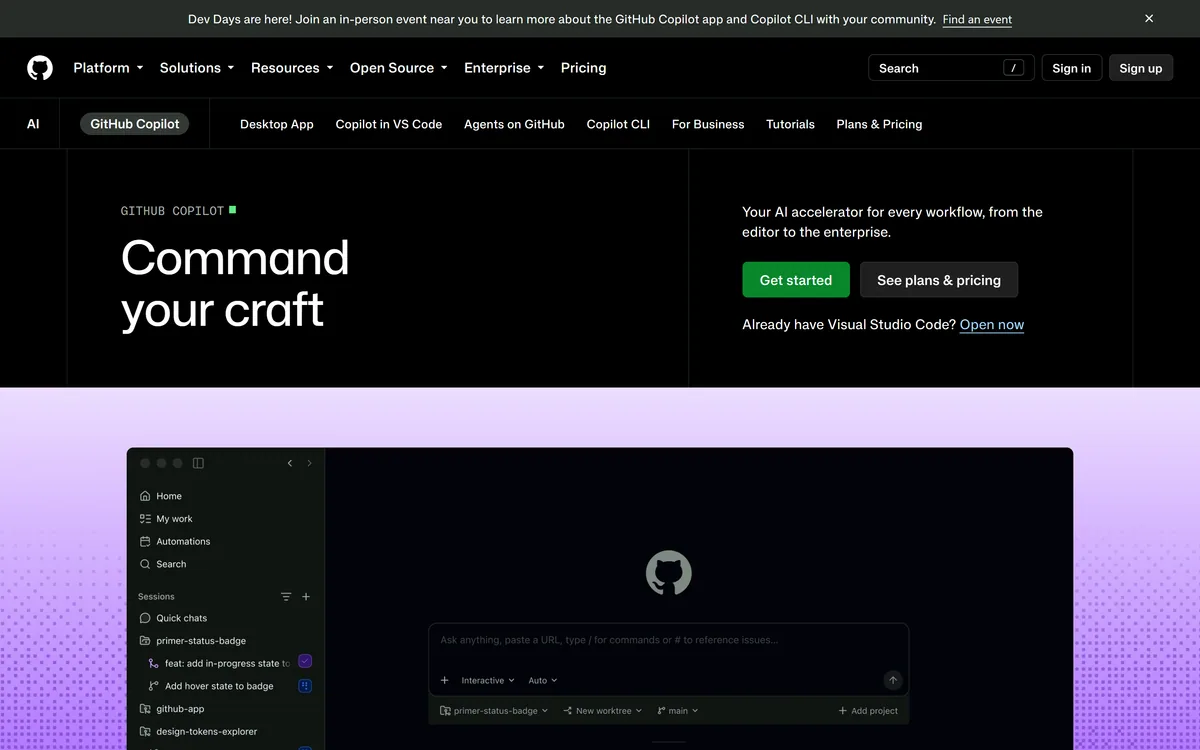

GitHub Copilot is an AI coding assistant that spans completion, chat, agent mode, automated code review, and a cloud agent that opens pull requests, working across VS Code, Visual Studio, JetBrains, Xcode, Neovim, Eclipse, the CLI, and github.com.
Goose review on AInexfinder — free AI tool for Coding & Development. Features, pricing notes, and alternatives.
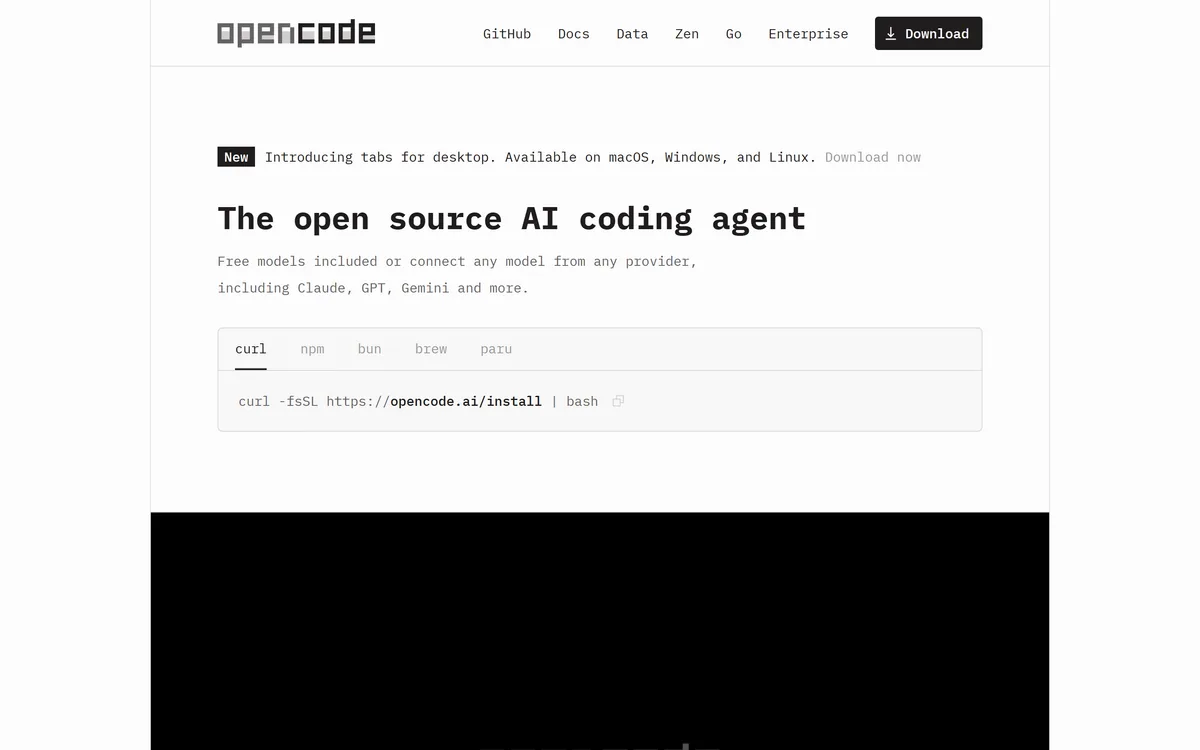
OpenCode is an open source AI coding agent built for the terminal, with desktop and IDE clients alongside. It connects to 75+ model providers, configures language servers automatically, runs parallel agent sessions, keeps conversations locally in SQLite, and is built by the team behind SST.
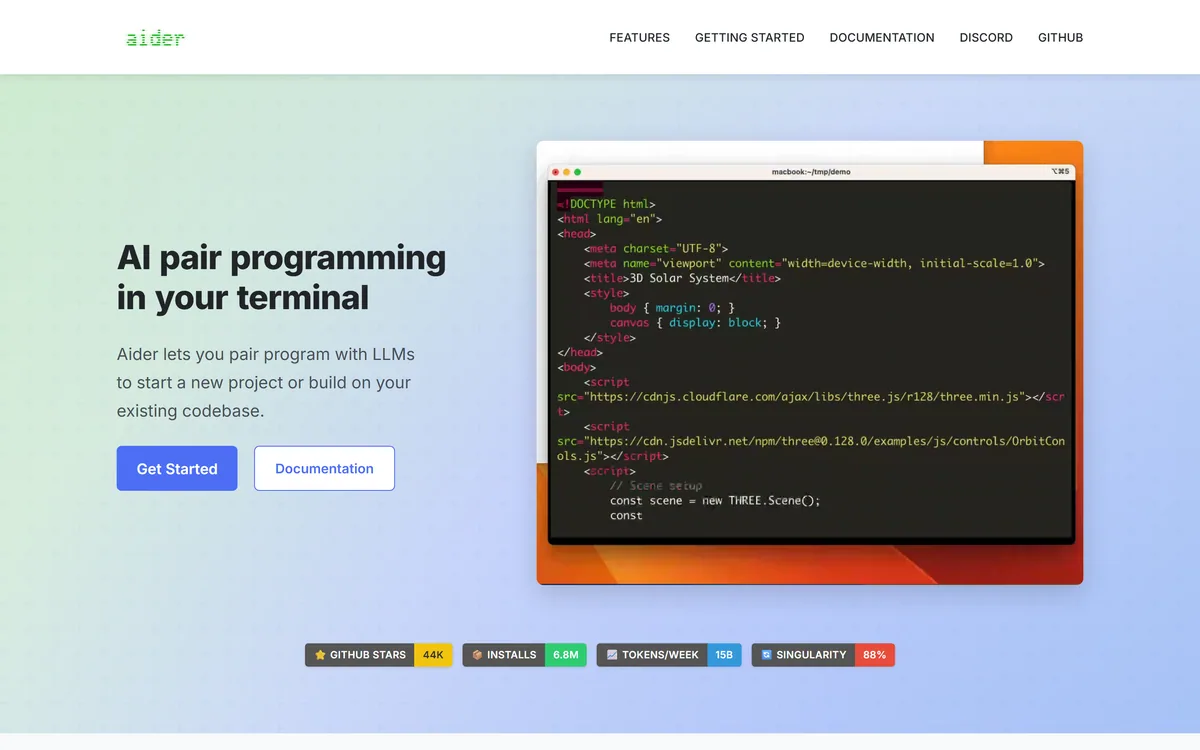
Aider is an open-source AI pair programming tool that runs in your terminal, builds a map of your whole repository for context, works with almost any LLM including local models, and commits each change to git with a written message so every edit can be diffed and undone.
Open-source AI code assistant for VS Code and JetBrains Category: Coding & Development.
Related Pages