Generate code in any language with AI assistance. Every tool here has its own review, so you can check what it does and how it is priced before you choose a code generation tool.
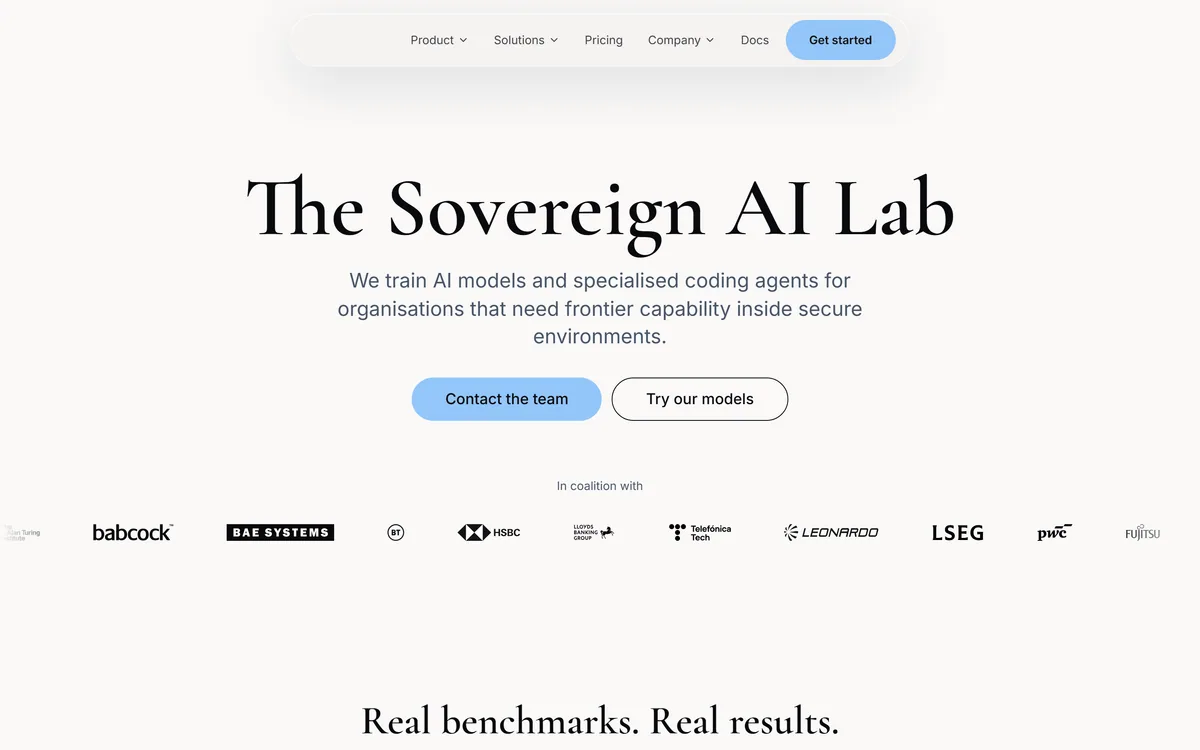
Cosine is a sovereign AI lab whose Lumen models and coding agents are built to write exceptional software for organisations that need frontier capability inside secure, even fully air-gapped, environments, including niche languages like COBOL and Verilog.
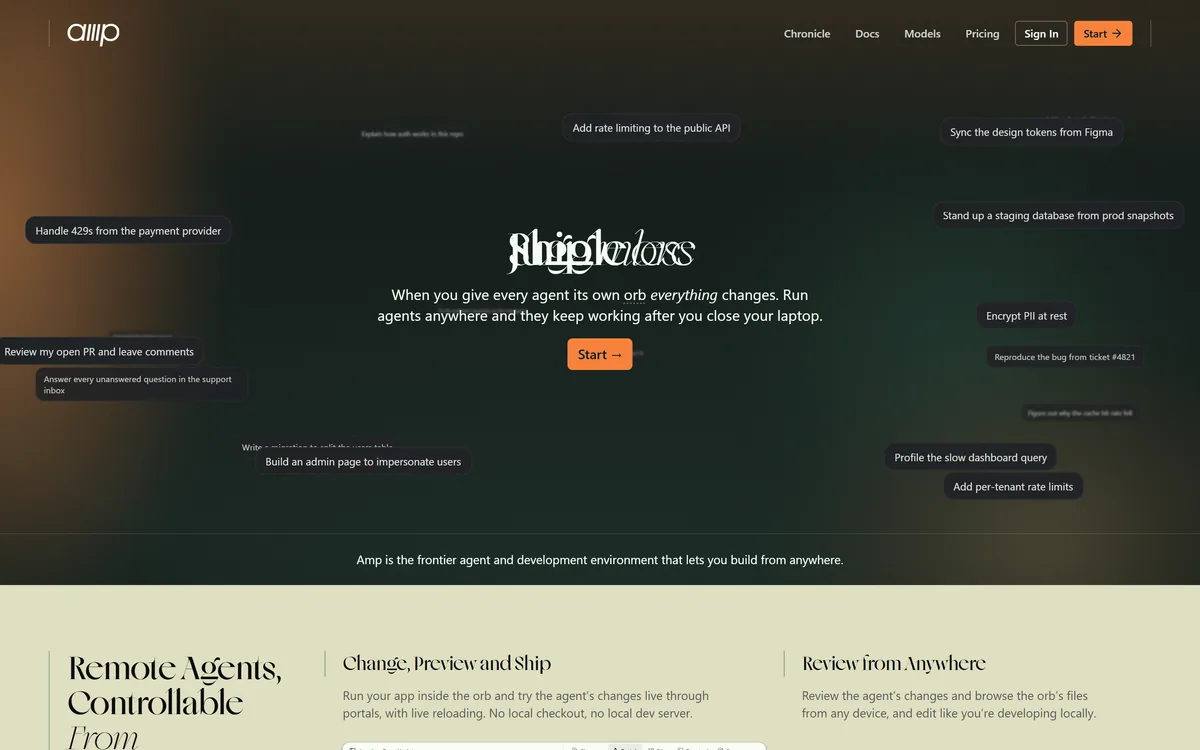
Amp is an agentic coding tool from Sourcegraph that runs in the terminal and in editor extensions, using Sourcegraph's code intelligence to give frontier models deep repository context. It plans multi-step work, edits across files, runs tests and iterates, on pay-as-you-go credits with no markup on provider pricing.
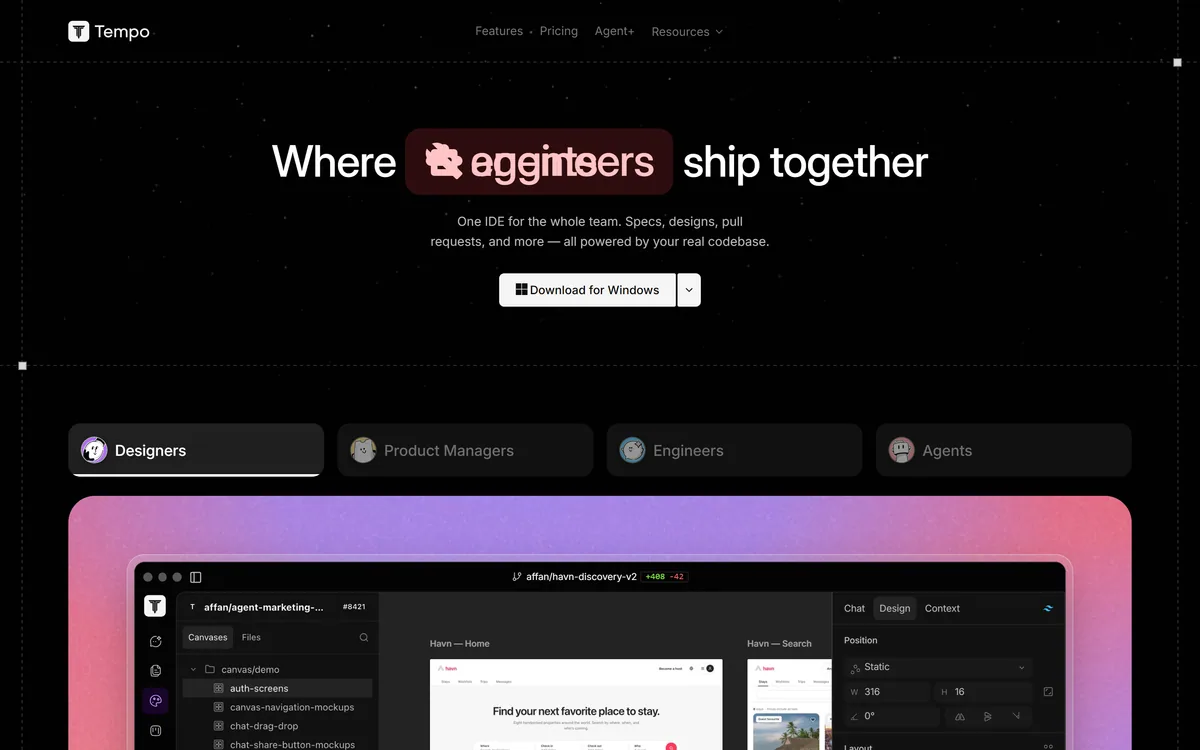
Tempo is a desktop IDE built for whole product teams rather than developers alone. Design canvases are code in your repository, specs and prototypes run on your real components, and four named agents handle triage, specs and designs, bug fixes and feature builds.
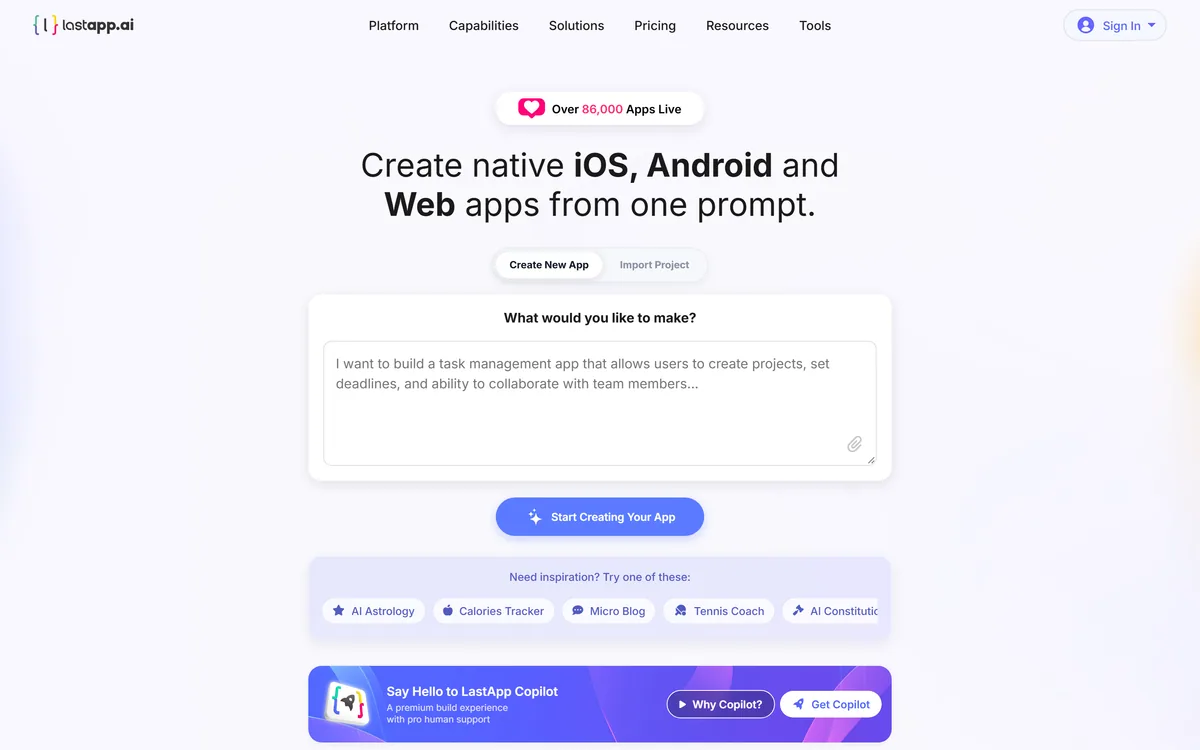
LastApp.AI is an AI app builder that generates native iOS, Android and web apps from a single prompt, with testing, server provisioning and App Store release tooling plus a human-supported Copilot tier. It is a promising but new (2025) product with thin independent evidence and opaque pricing.
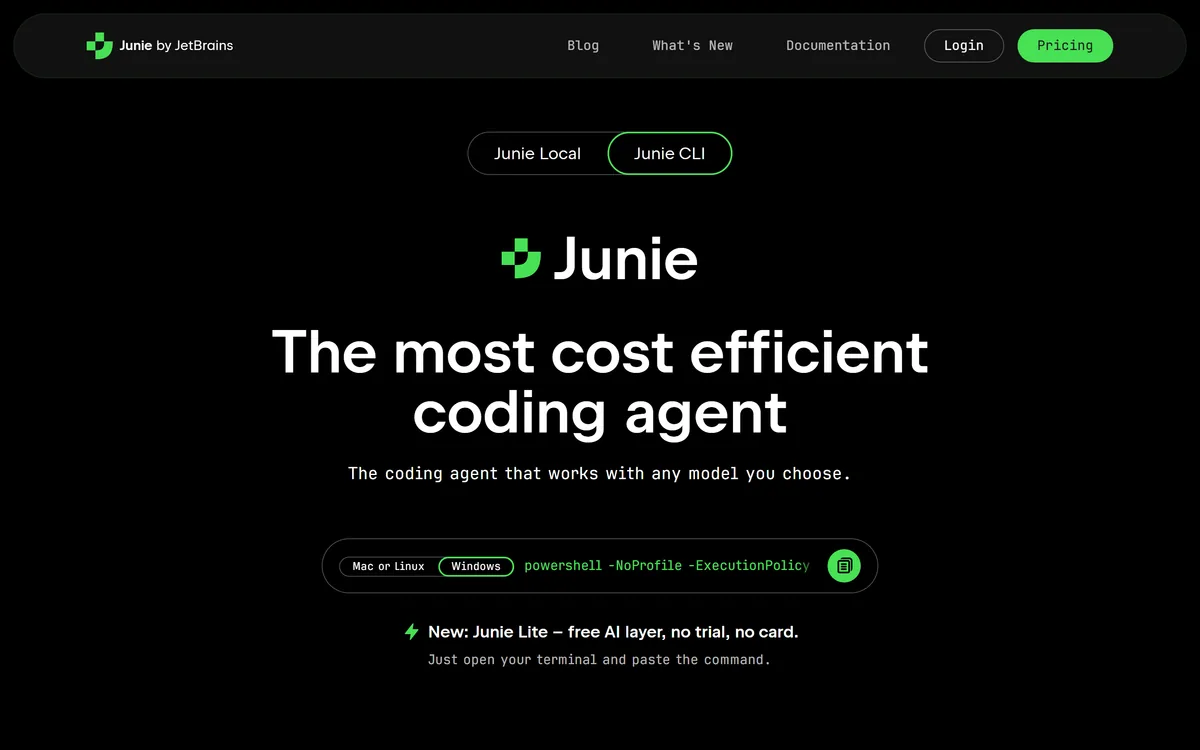
JetBrains Junie is a coding agent that works with any model you bring, built on the IntelliJ engine, with a Plan Mode, live prompting, human-in-the-loop control, agentic debugging in a real debugger, and a free Junie Lite layer.
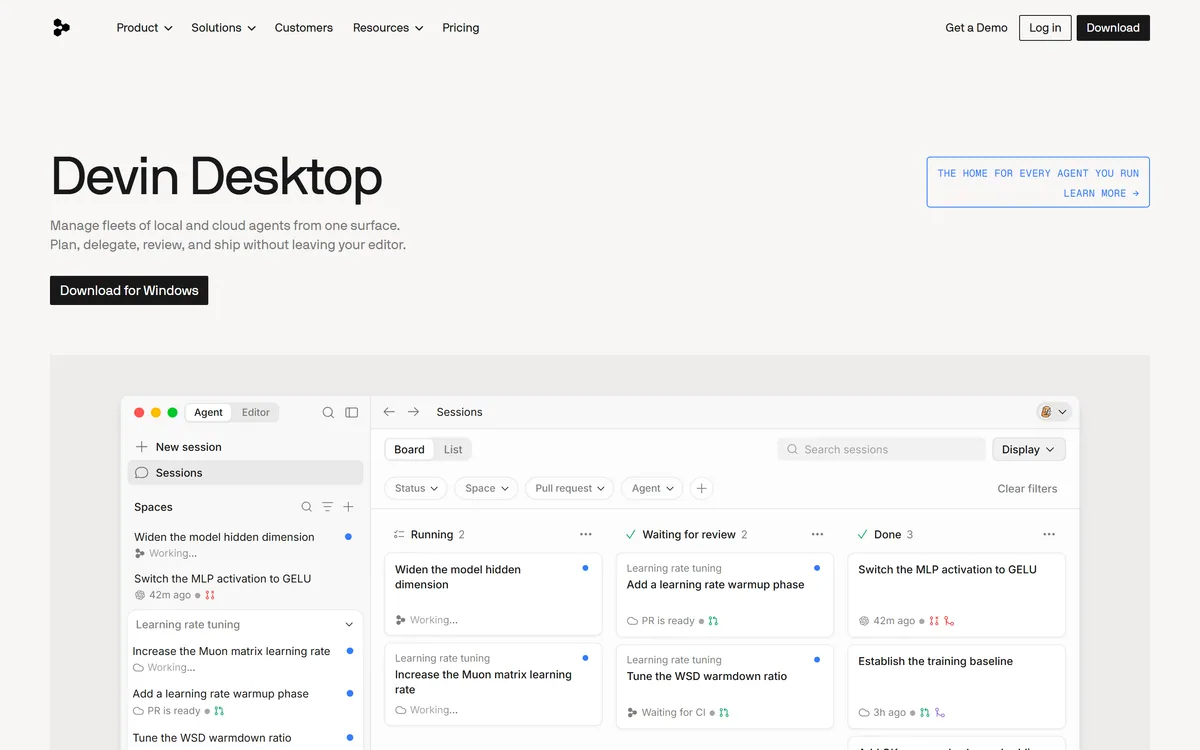
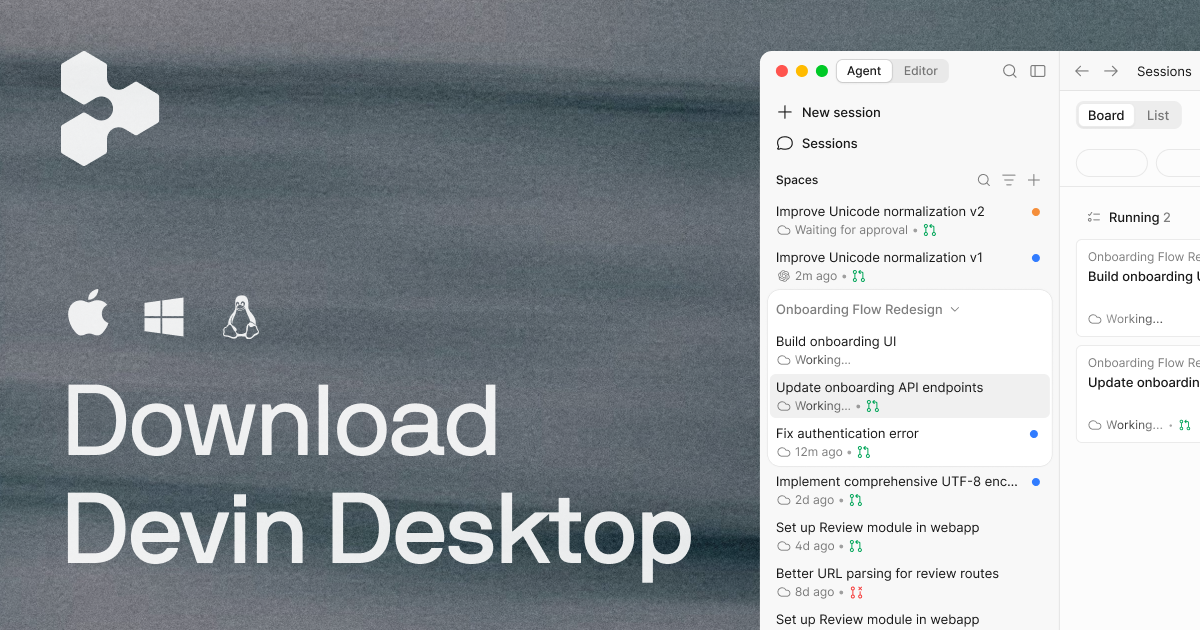
Codeium was a free AI code completion tool that became Windsurf, was acquired by Cognition, and now ships as Devin Desktop. The Codeium brand is retired — this page explains the chain and what existing users should do.
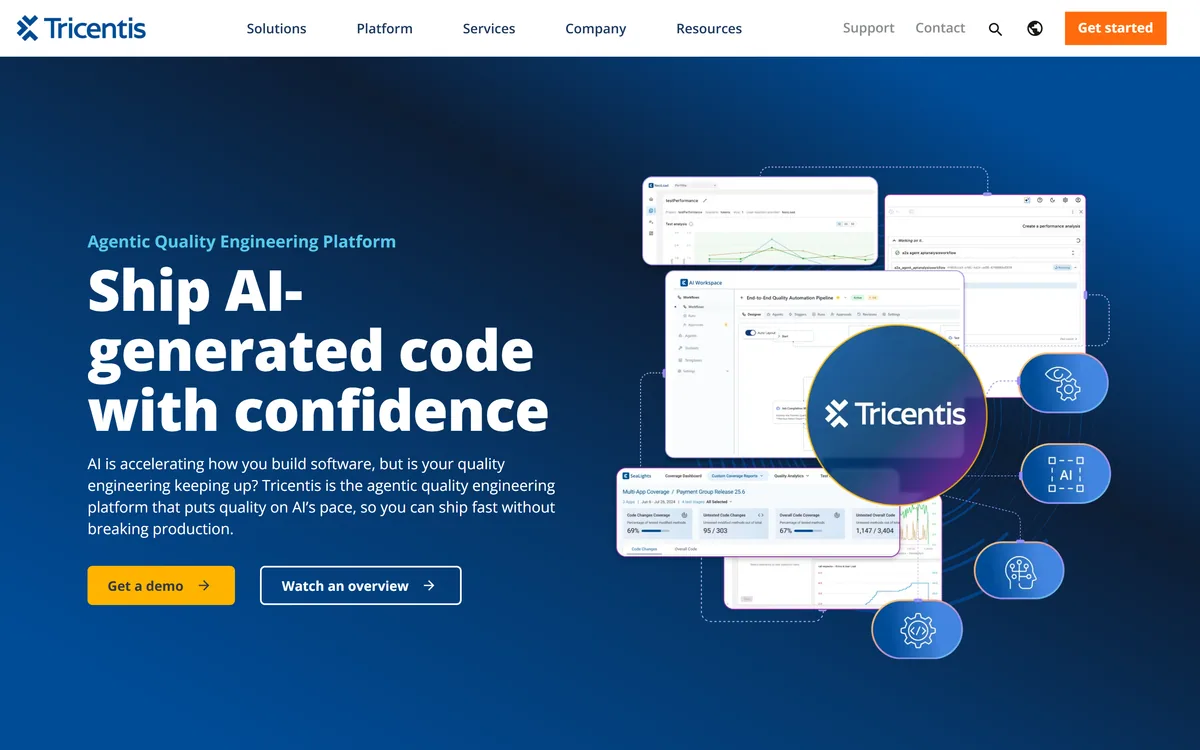
Tabnine is an enterprise AI coding assistant offering context-aware code completion, chat and agents with private deployment and a codebase-wide context engine. In July 2026 it was acquired by Tricentis, and tabnine.com now routes to the Tricentis agentic quality engineering platform.
Speakeasy is an enterprise control plane and MCP gateway for AI: it routes and governs AI and tool traffic, manages secrets and access, and adds guardrails against risks like prompt injection, for platform teams shipping AI in production. It suits engineering teams that need to govern AI at scale, with the considerations that it's enterprise-oriented and sits in a sensitive path handling secrets and prompts.
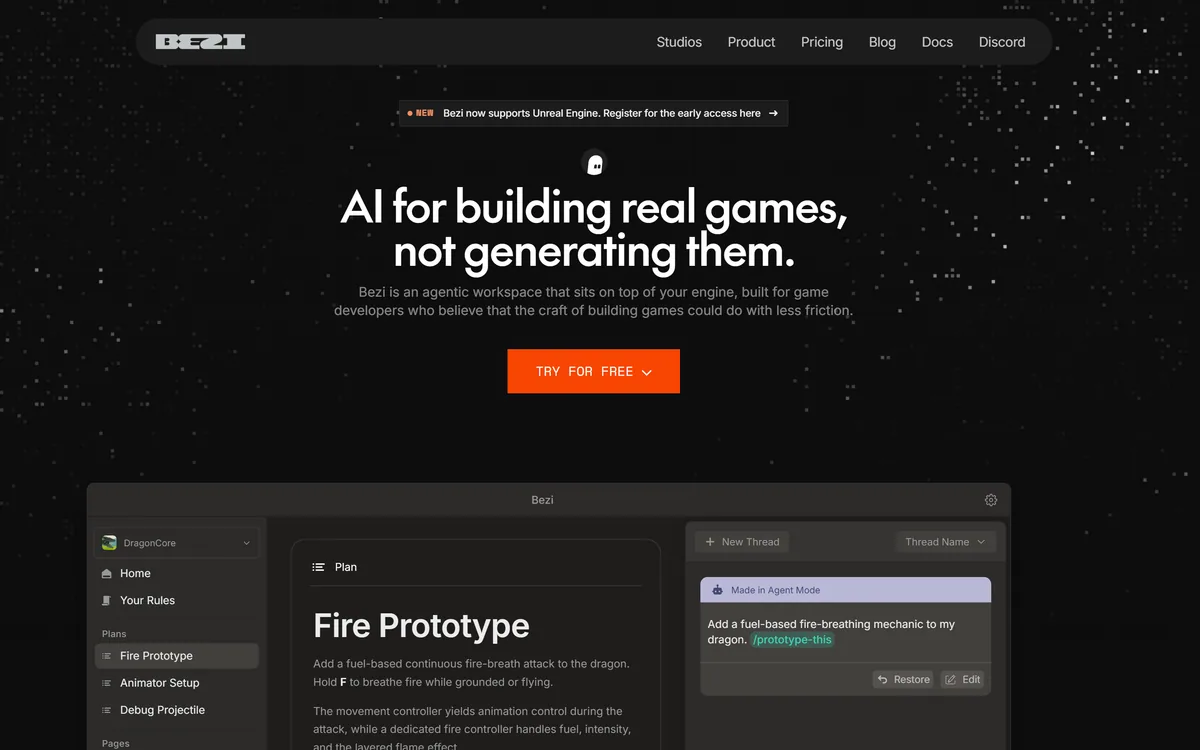
Bezi is an AI assistant and agentic workspace for game developers that works inside your Unity project, with Unreal Engine in early access, helping plan features, write and edit scripts and configure prefabs and effects, while developers stay in control of the craft.
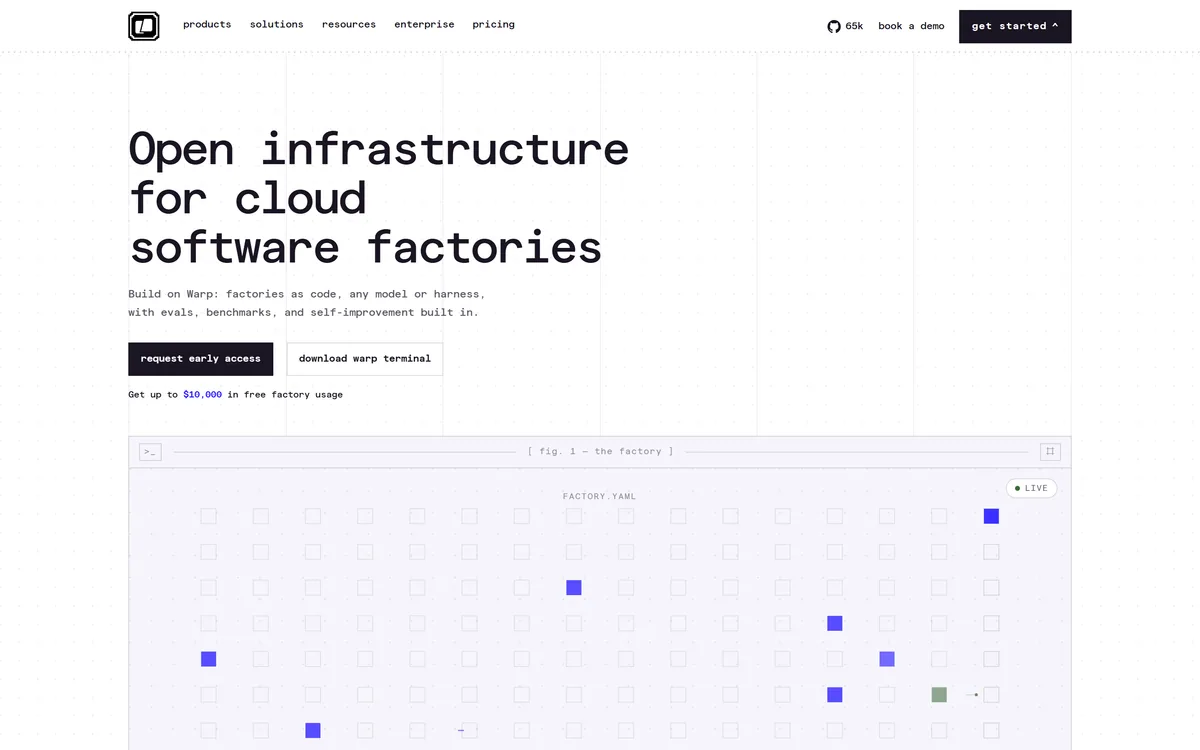
Warp is an agentic development platform spanning an open-source terminal, an agent CLI and Factories — fleets of coding agents defined in a factory.yaml, triggered from Slack, Jira or GitHub, scored by evals on your own work, and benchmarked across models to find the cheapest configuration that still passes.
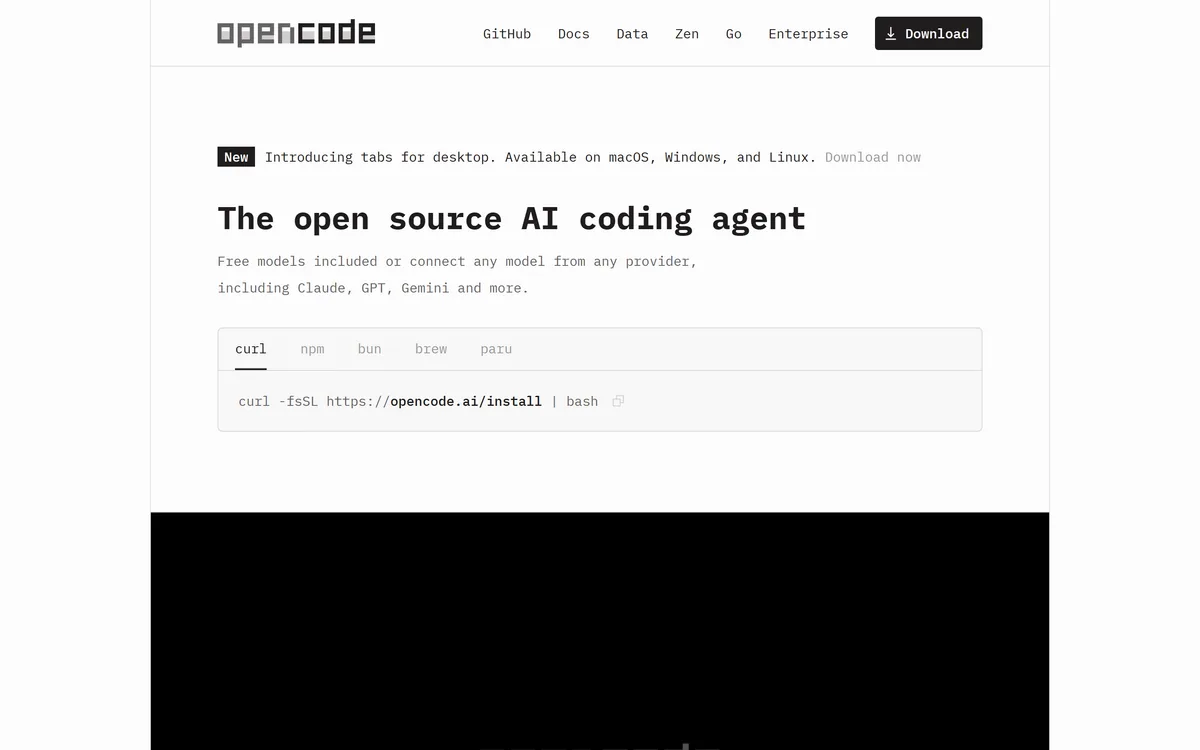
OpenCode is an open source AI coding agent built for the terminal, with desktop and IDE clients alongside. It connects to 75+ model providers, configures language servers automatically, runs parallel agent sessions, keeps conversations locally in SQLite, and is built by the team behind SST.
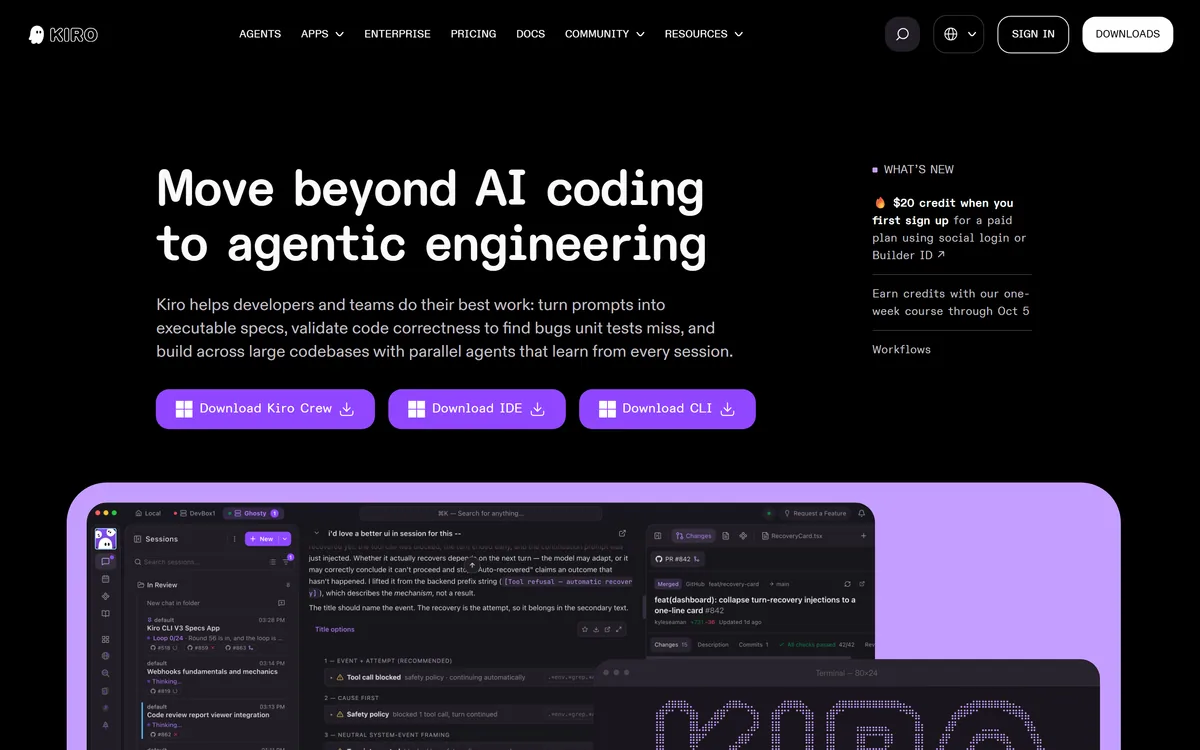
Kiro is an agentic software-engineering toolset, an IDE, a CLI and cloud sessions, that turns prompts into executable specs, validates code correctness, and works across large codebases with parallel agents, positioned as a step beyond basic AI code completion.
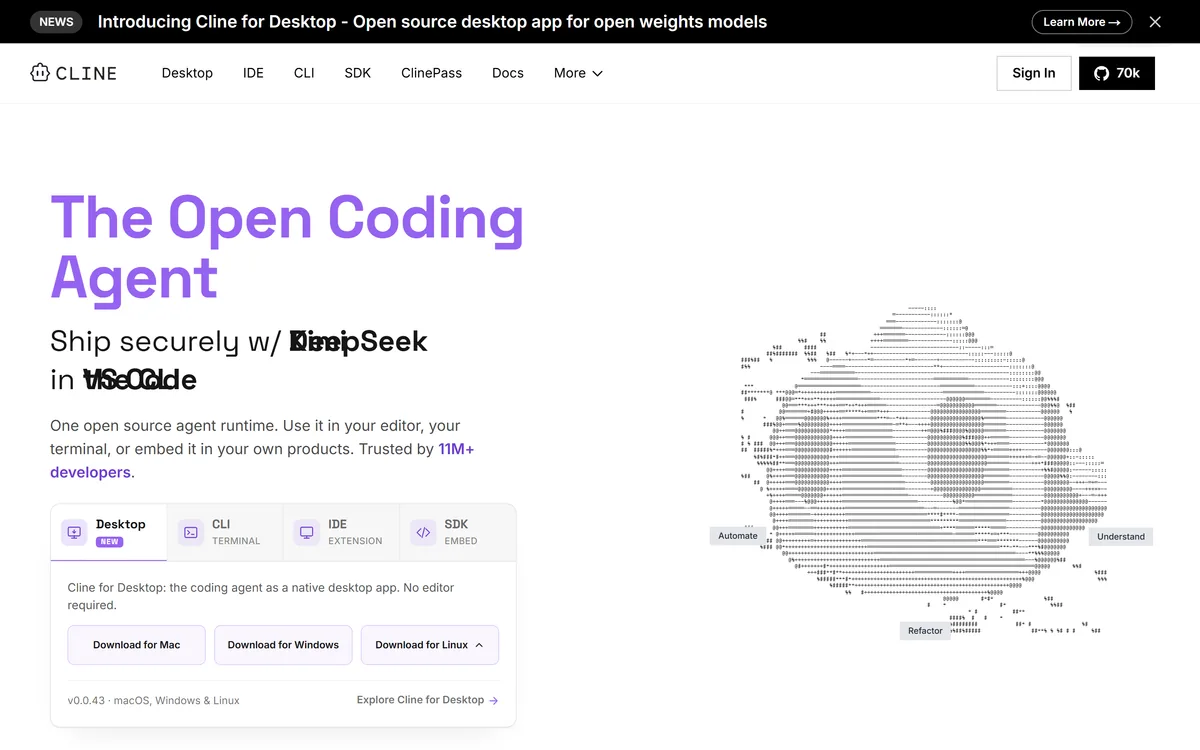
Cline is an open-source AI coding agent that works in your editor as a VS Code extension, in the terminal as a CLI, as a desktop app and through an SDK, using any model including open-weight ones, with a plan-and-act workflow where you approve its actions.
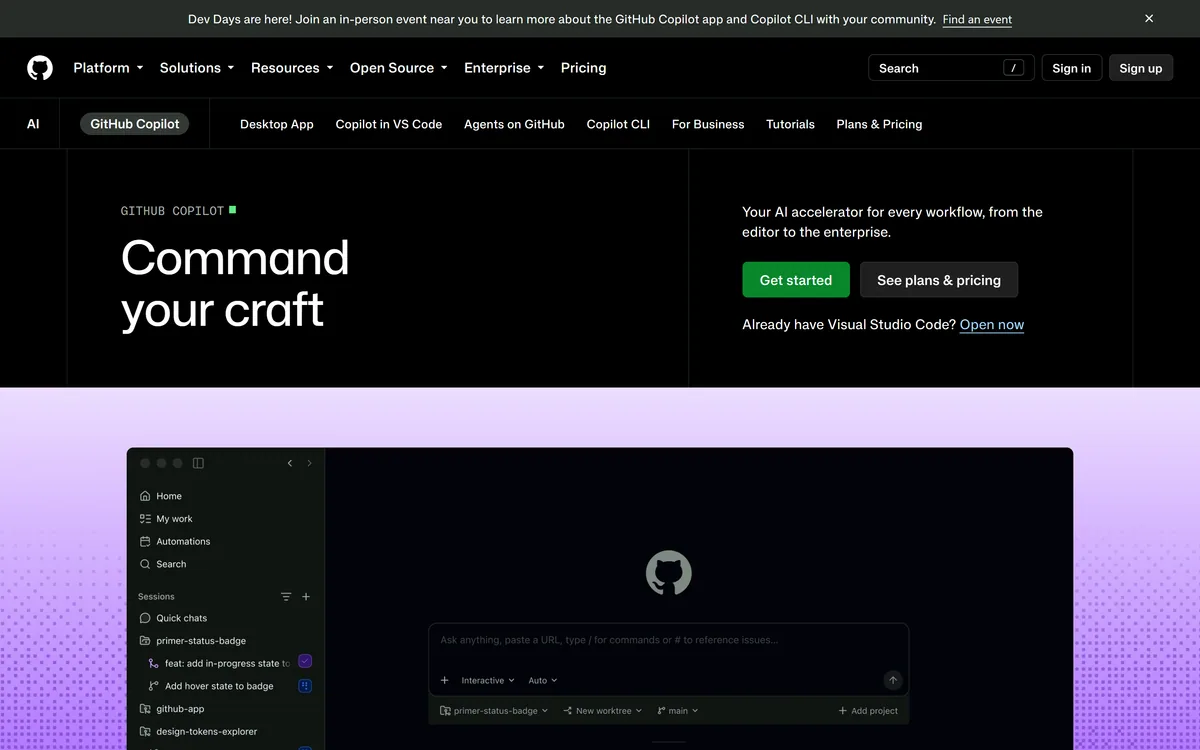
GitHub Copilot is an AI coding assistant that spans completion, chat, agent mode, automated code review, and a cloud agent that opens pull requests, working across VS Code, Visual Studio, JetBrains, Xcode, Neovim, Eclipse, the CLI, and github.com.
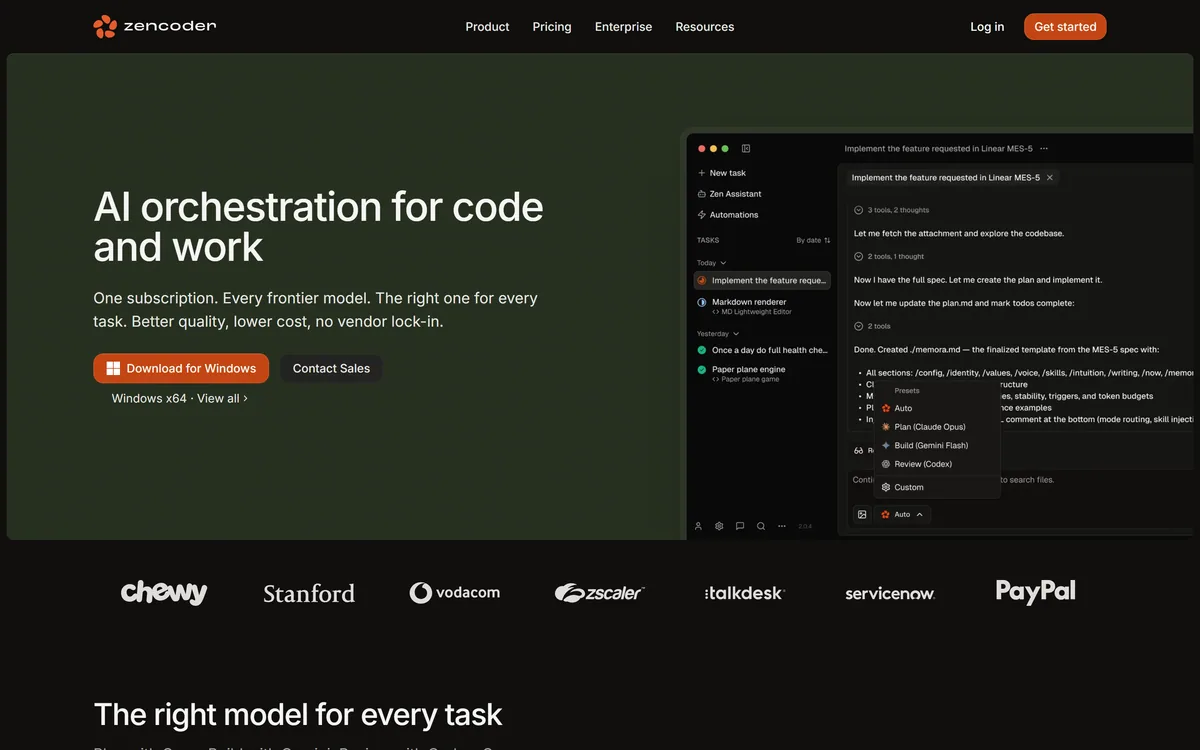
Zencoder is an AI orchestration platform for engineering work: agents plan with one model, build with another and review with a third, across multi-repo indexing and full dependency mapping, inside VS Code and JetBrains. It adds scheduled automation and a work layer spanning Jira, Slack and Notion.
Replit AI turns a written description into a working application — the Agent writes the code, and Replit supplies the database, authentication, hosting, and monitoring, so a prototype goes live without a local setup or a deployment pipeline.
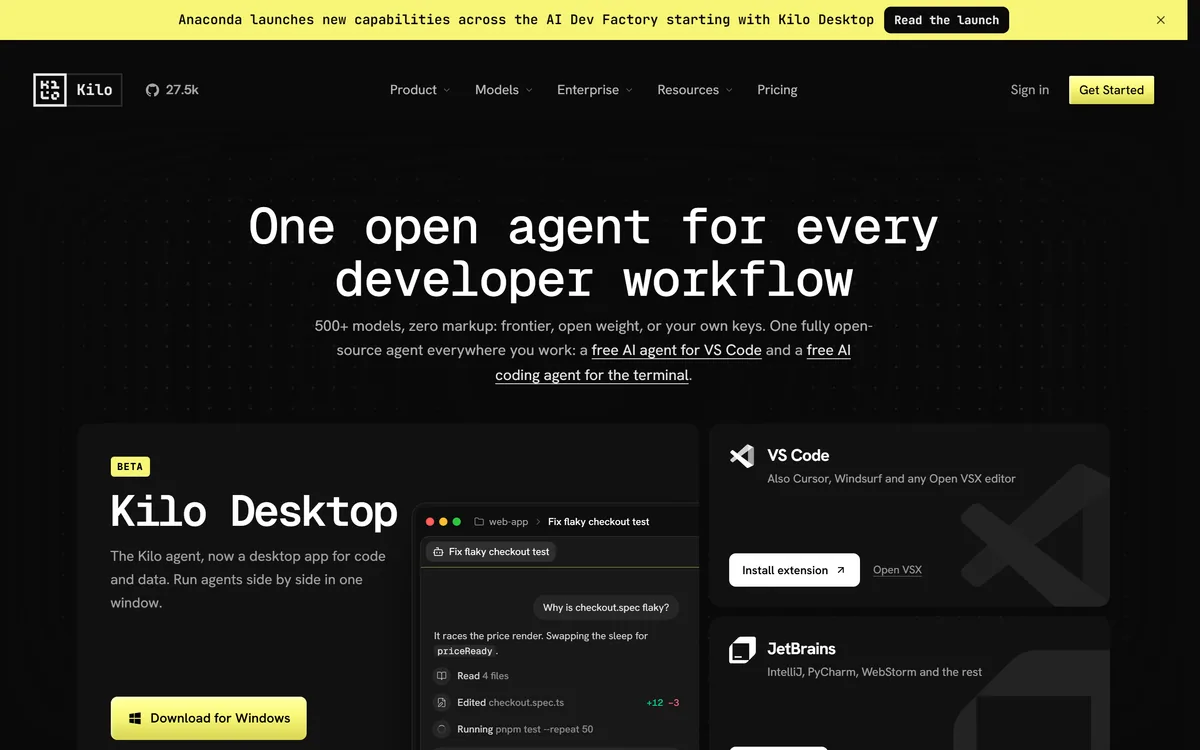
Kilo Code is an open-source (MIT) AI coding agent for VS Code, JetBrains, CLI and cloud with access to 500+ models at cost via bring-your-own keys, plan/code/debug agents, parallel worktrees and no silent model switching. Operated by Kilo Code, Inc. (acquired by Anaconda); the agent is free, model inference is not.
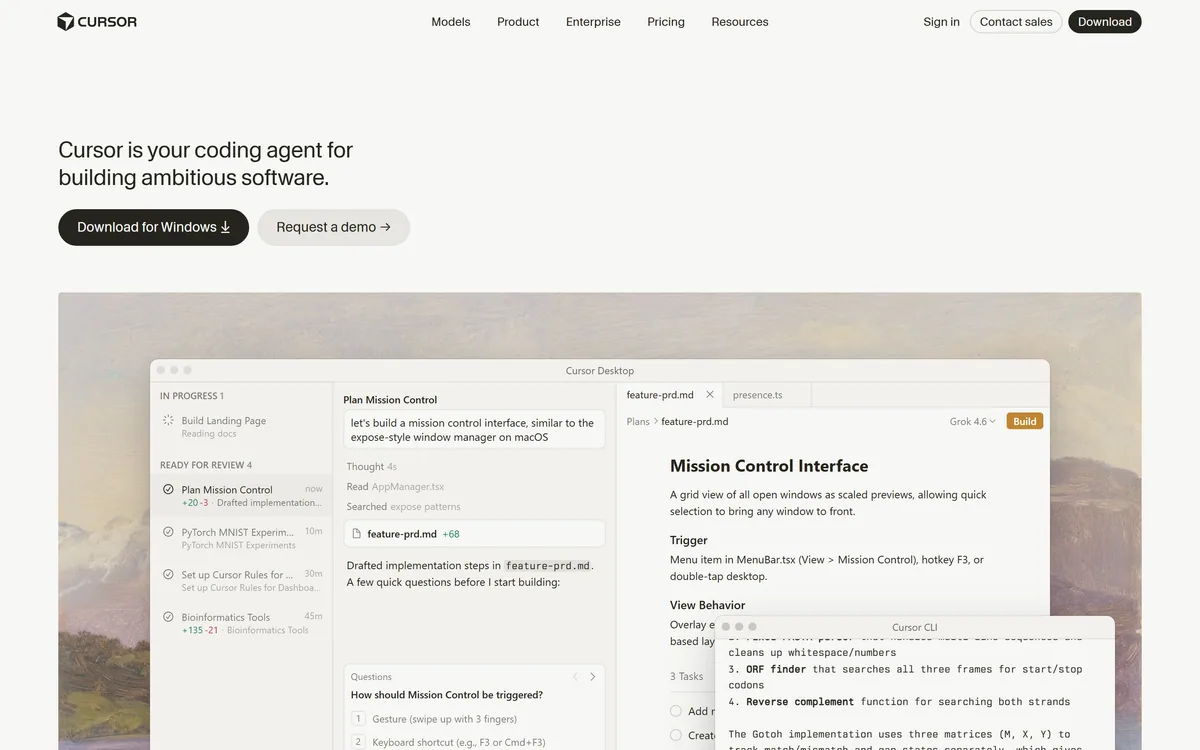
Cursor is an AI-first code editor and agent platform from Anysphere — now a SpaceX subsidiary — that plans, writes, tests, and reviews code across your repository from the desktop editor, a CLI, the web, and Slack.
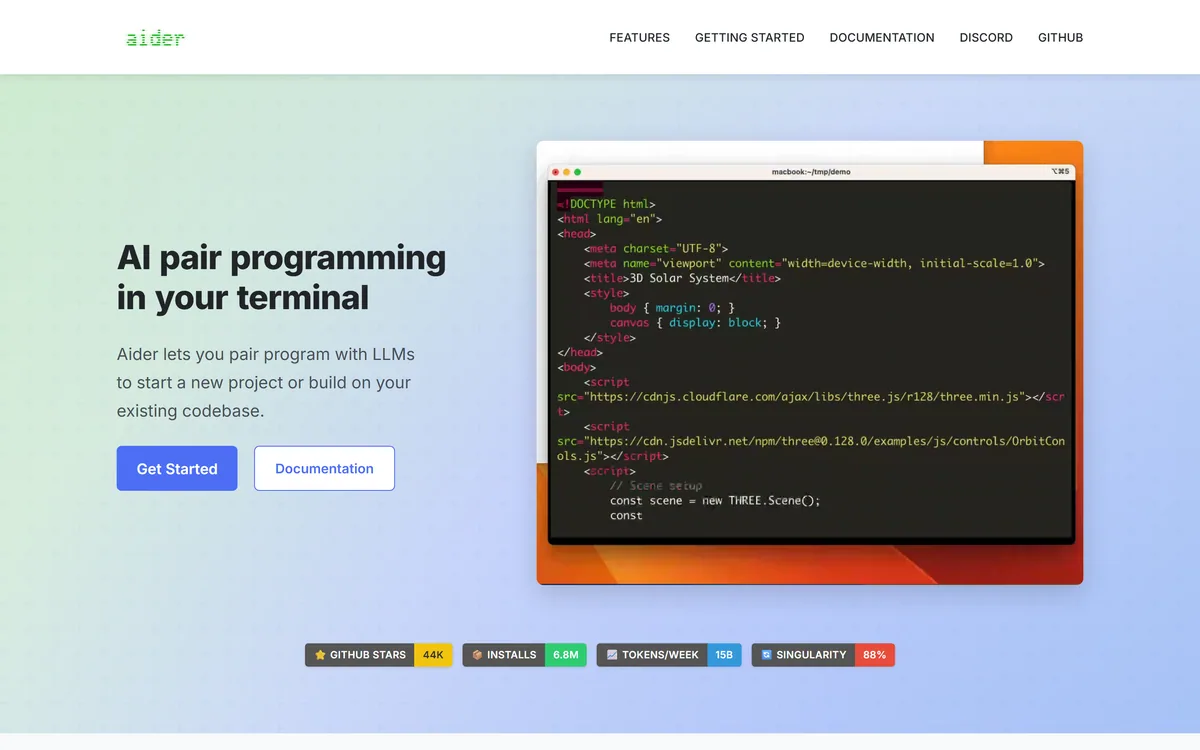
Aider is an open-source AI pair programming tool that runs in your terminal, builds a map of your whole repository for context, works with almost any LLM including local models, and commits each change to git with a written message so every edit can be diffed and undone.
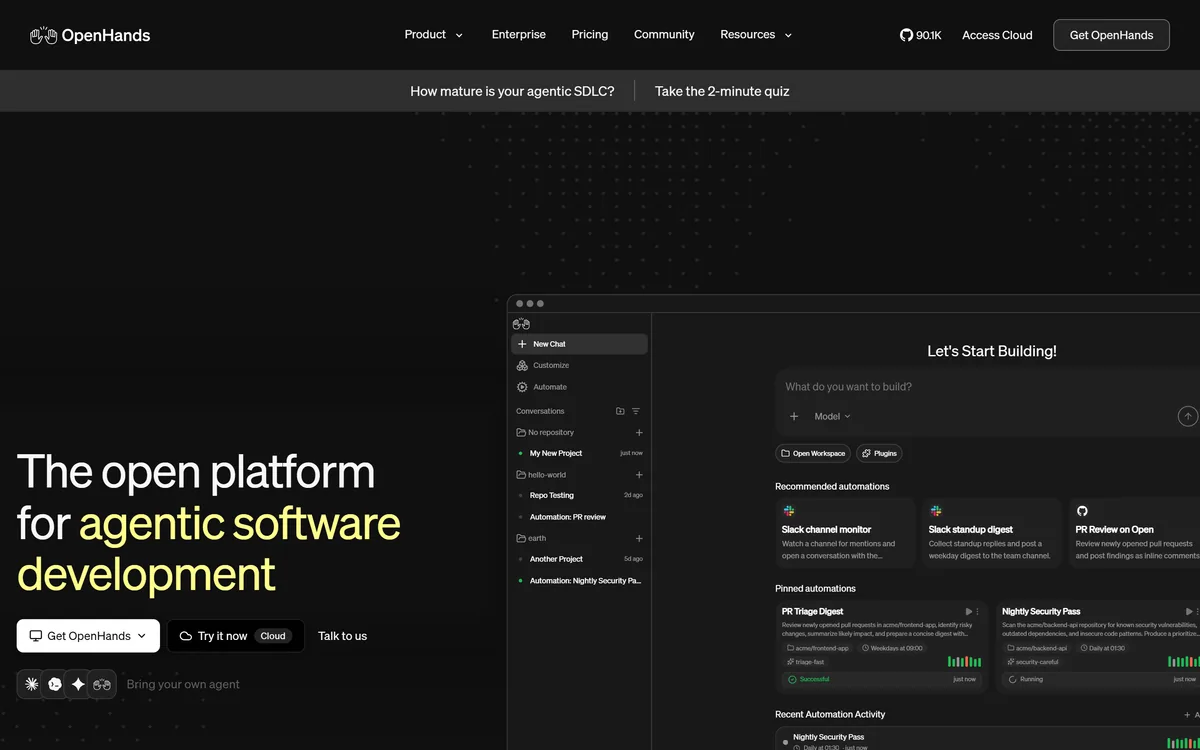
OpenHands is an open-source platform for agentic software development: AI agents that work in your repositories through conversations and scheduled automations, with your choice of model, available locally, as a cloud service, through an SDK and with an enterprise control plane.
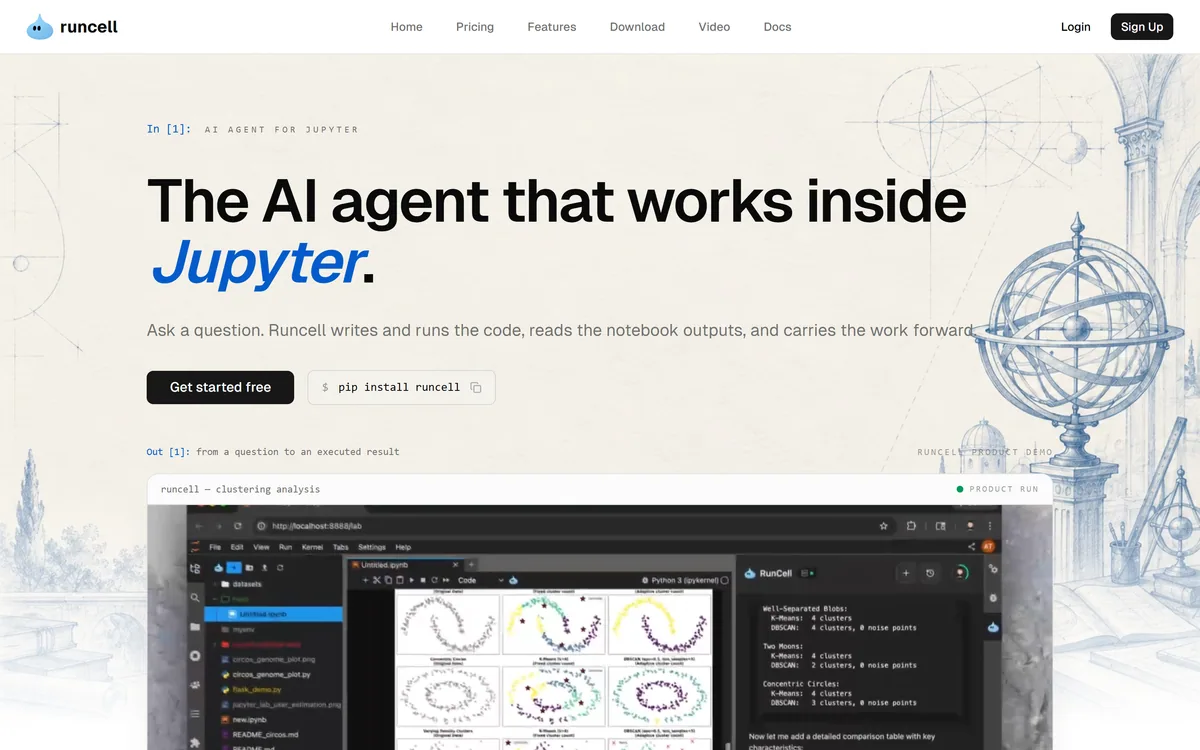
Runcell is an AI agent that works inside JupyterLab, writing and running code, reading notebook outputs like tables and charts, and carrying an analysis forward across multi-step workflows, installable with pip and model-flexible. It suits data scientists, analysts and researchers who live in notebooks, with the caveats that it executes code in your environment and its generated code and analysis still need review.
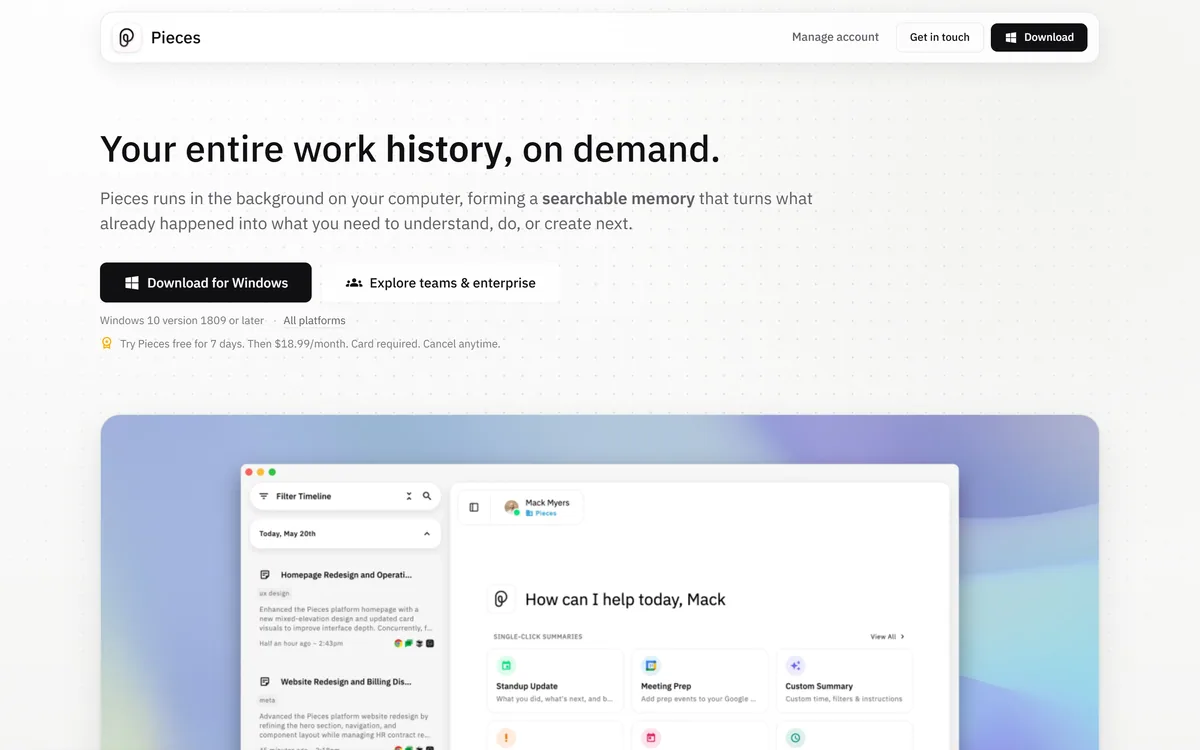
Pieces runs in the background on your computer forming a searchable memory of your work, capturing what you see and what you copy by default and what you hear only if you opt in. It builds a chronological timeline across Gmail, Outlook, browsers and Slack, and generates standups, briefs and recaps from real context.
Traycer is an orchestration workspace for agentic coding that runs multiple AI coding agents side by side with shared context, agent-to-agent communication, planning, review and specs. It brings your own agent subscriptions (Claude Code, Codex, Cursor and more) into one place, aimed at power users.
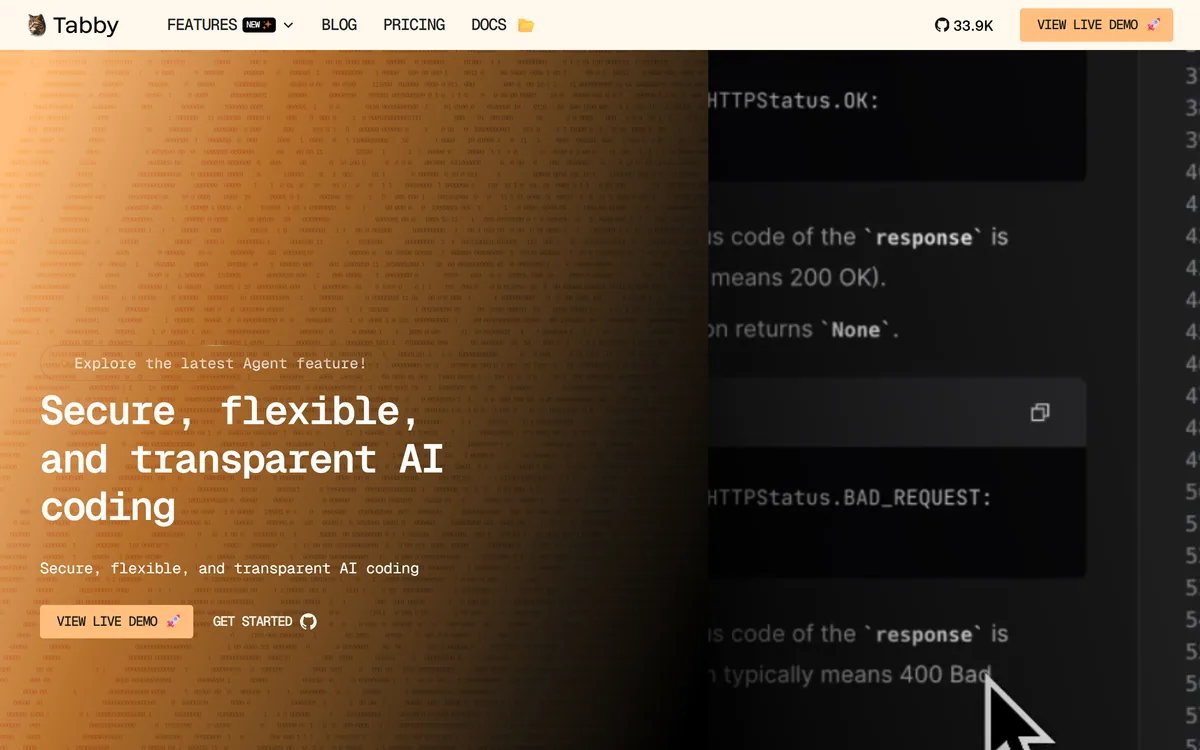
Tabby is an open-source, self-hosted AI coding assistant offering code completion, chat and an agent feature, built so teams can run AI coding on their own infrastructure for security, transparency and control rather than sending code to a cloud service.
4.1/5Freemium
What Counts as a Code Generation AI Tool?
Code Generation AI tools are products whose core function applies AI to code generation. A tool belongs here when that is the job it is built for, rather than a side feature.
Because this is a focused slice of coding & development, the tools below do broadly the same job — so compare them on what they actually produce and how they are priced. Each review shows the tool's pricing model and whether it has a free tier.
Code Generation AI tools reviewed here include:
Cosine — Cosine is a sovereign AI lab whose Lumen models and coding agents are built to write exceptional software for organisations that need frontier capability inside secure, even fully air-gapped, environments, including niche languages like COBOL and Verilog.
Google Antigravity — Google's agentic AI development platform and IDE Category: Coding & Development.
Amp — Amp is an agentic coding tool from Sourcegraph that runs in the terminal and in editor extensions, using Sourcegraph's code intelligence to give frontier models deep repository context. It plans multi-step work, edits across files, runs tests and iterates, on pay-as-you-go credits with no markup on provider pricing.
Tempo — Tempo is a desktop IDE built for whole product teams rather than developers alone. Design canvases are code in your repository, specs and prototypes run on your real components, and four named agents handle triage, specs and designs, bug fixes and feature builds.
LastApp.ai — LastApp.AI is an AI app builder that generates native iOS, Android and web apps from a single prompt, with testing, server provisioning and App Store release tooling plus a human-supported Copilot tier. It is a promising but new (2025) product with thin independent evidence and opaque pricing.
Code Generation AI Tools — Frequently Asked Questions
01What Does Code Generation Cover?
Code Generation covers AI tools built for code generation. Reviewed tools here include Cosine, Google Antigravity, Amp, each with its own review covering pricing, features and an Editor Score.
02Are There Free Code Generation AI Tools?
Yes. Google Antigravity, Amp, Tempo, LastApp.ai all offer a free plan or free trial. Use the pricing filter above to see every code generation tool with a free option.
03How Do I Choose the Right Code Generation AI Tool?
Start with your main use case and budget, shortlist two or three tools above, and compare their reviews, pricing and free plans. Where a free plan or trial exists, run a real task of your own through it before committing.
04How Is Code Generation Different From Other Coding & Development Tools?
Code Generation tools focus specifically on generate code in any language with ai assistance, so they usually go deeper on that job than a general coding & development tool.
Launching a New Code Generation Tool?
Submit it for an editorial review and a page in front of people comparing code generation tools before they buy.