Find, analyze, and synthesize research with AI. Every tool here has its own review, so you can check what it does and how it is priced before you choose a research tool.
Sourcely is an AI academic source finder: paste your text and it finds matching credible papers, highlights citation-worthy passages, summarizes sources, and exports citations in 700+ styles, drawing on a database of 200M+ papers. It is a source-finding tool, not an essay generator, though pasting a finished essay to back-fill citations is a misuse to avoid.
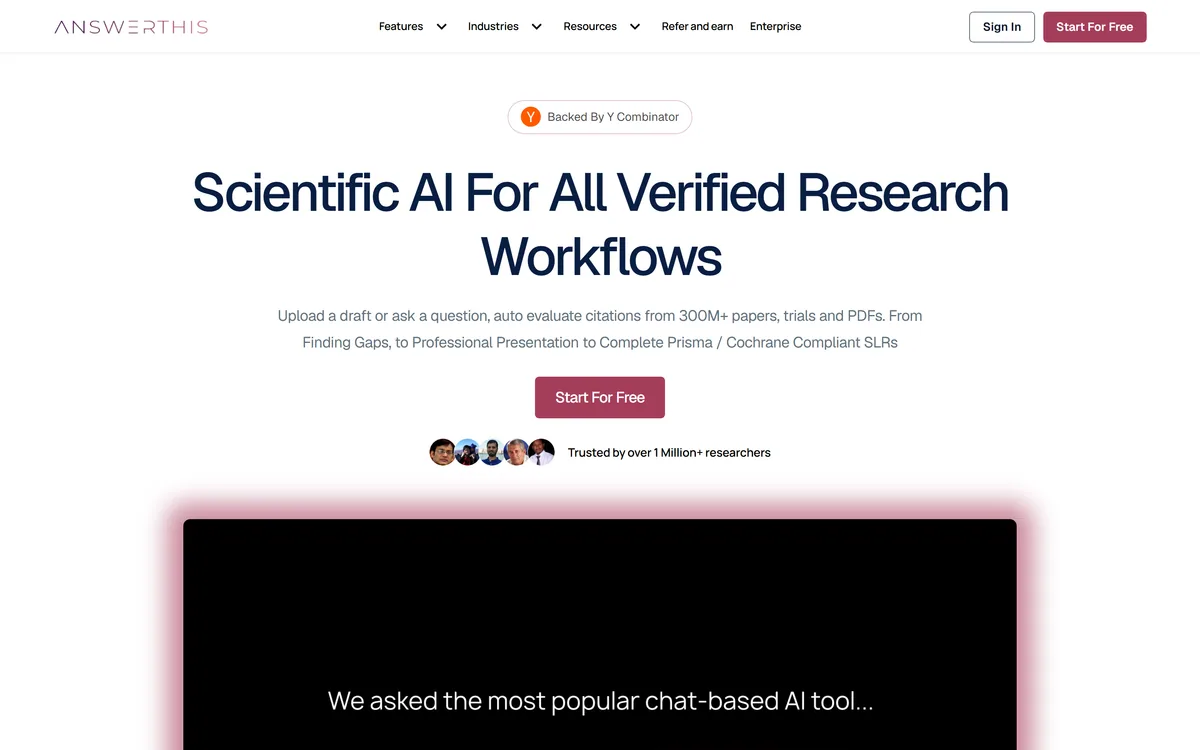
AnswerThis is an AI research assistant for literature reviews that searches a large database of papers and trials, checks citations and claims against their sources, supports PRISMA- and Cochrane-style systematic reviews, and helps draft, revise and collaborate on research writing.
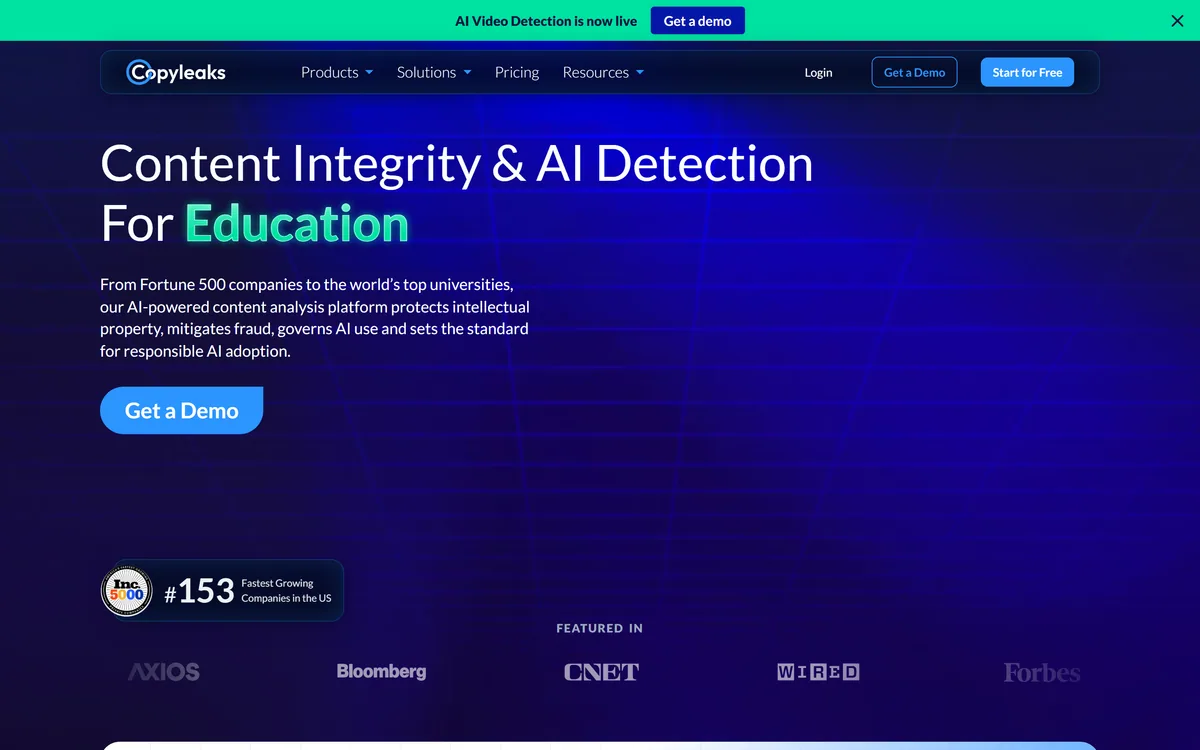
Copyleaks (New York) is an AI content-detection and plagiarism platform for education and business: plagiarism checking across trillions of sources, an AI text detector, AI image/video detectors, code plagiarism and LMS/API integrations, with SOC 2 and GDPR compliance. Strong for plagiarism and IP; its AI-writing detection must be treated as a signal, not proof.
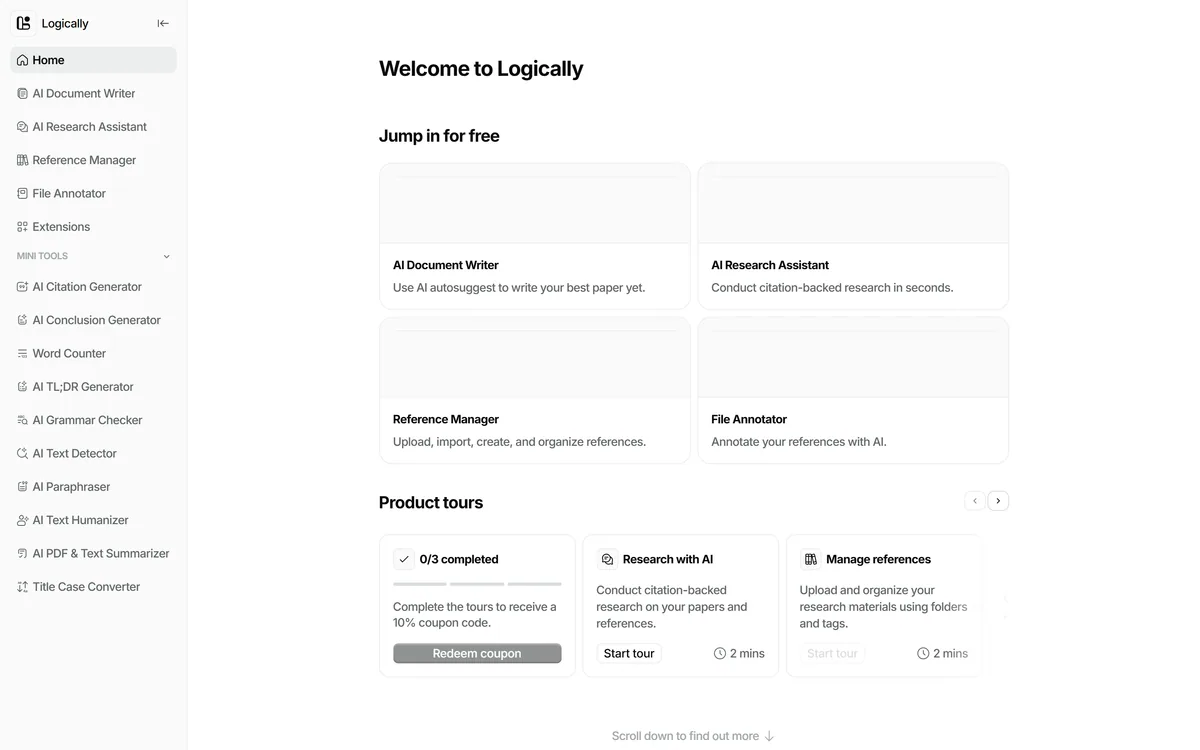
Afforai (now branded 'Logically') is an AI research and writing workspace: citation-backed answers over your papers, a reference manager with 10,000+ styles, a PDF annotator and an AI document writer, aimed at students and researchers. It suits citation-heavy research work, with the notes that the brand/company name differs (Afforai Inc. owns Logically.app) and that it also ships paraphraser/humanizer tools that carry authenticity considerations.
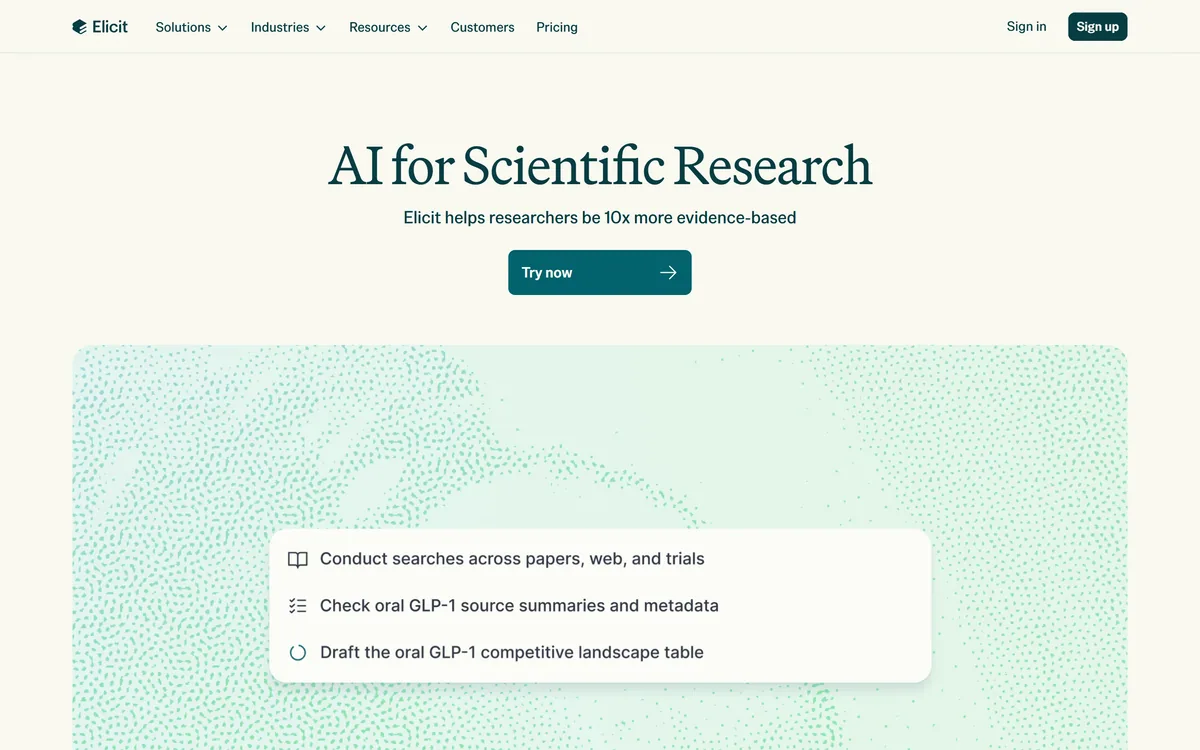
Elicit is an AI research assistant for scientific literature. It searches across more than 125 million papers, screens and extracts data at systematic-review scale, and produces research reports where every claim carries a sentence-level citation back to its source.
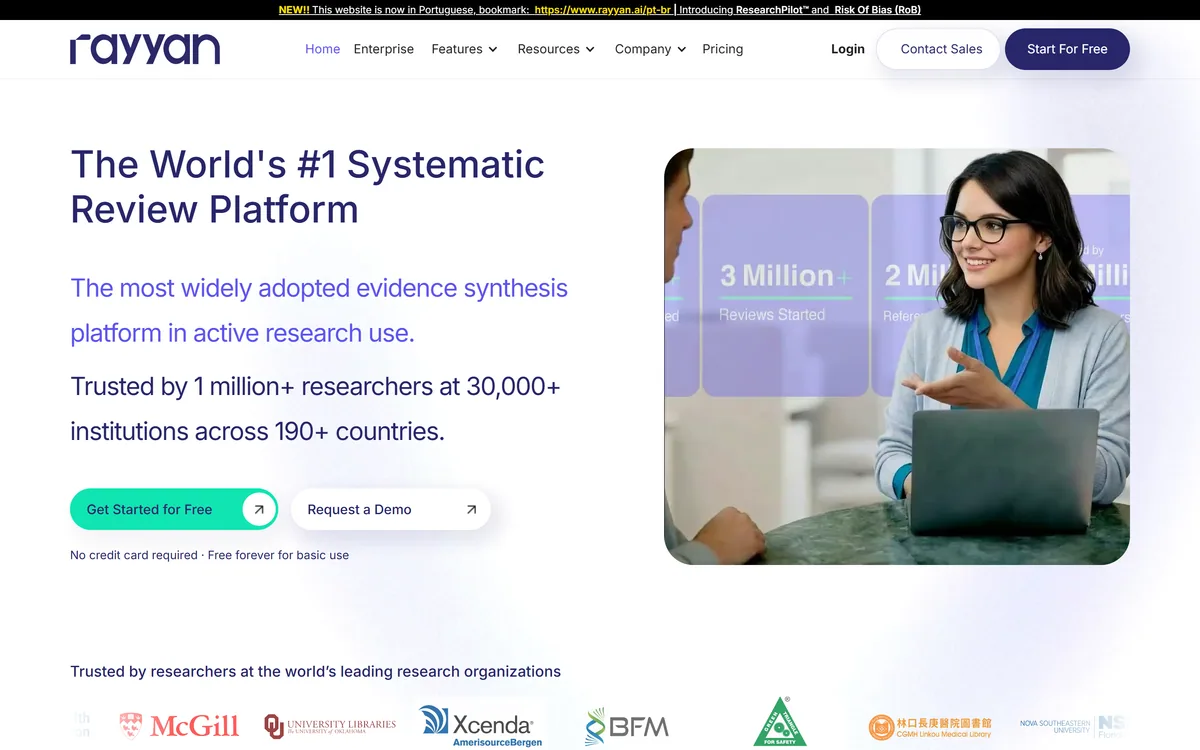
Rayyan is an AI-assisted systematic-review and evidence-synthesis platform that speeds up screening and deduplication, with AI relevance ratings (ResearchPilot), PRISMA diagrams, audit trails and team collaboration, used by over a million researchers. It suits researchers and systematic reviewers, with the caveats that its AI predictions support but don't replace the reviewer's judgement, and that its reach and time-saving figures are vendor- or user-reported.
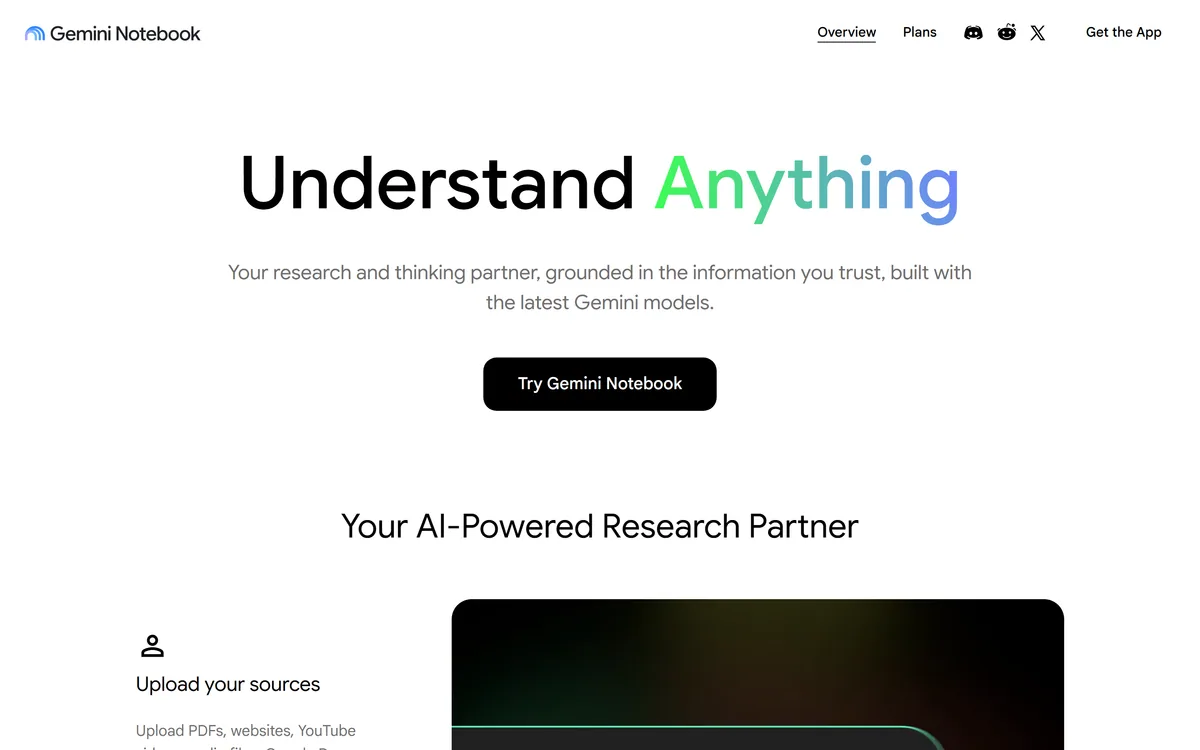
Gemini Notebook is Google's research and thinking tool, grounded in sources you upload rather than the open web. Renamed from NotebookLM on 16 July 2026, it now also runs code in a secure cloud environment and syncs notebooks with the Gemini app.
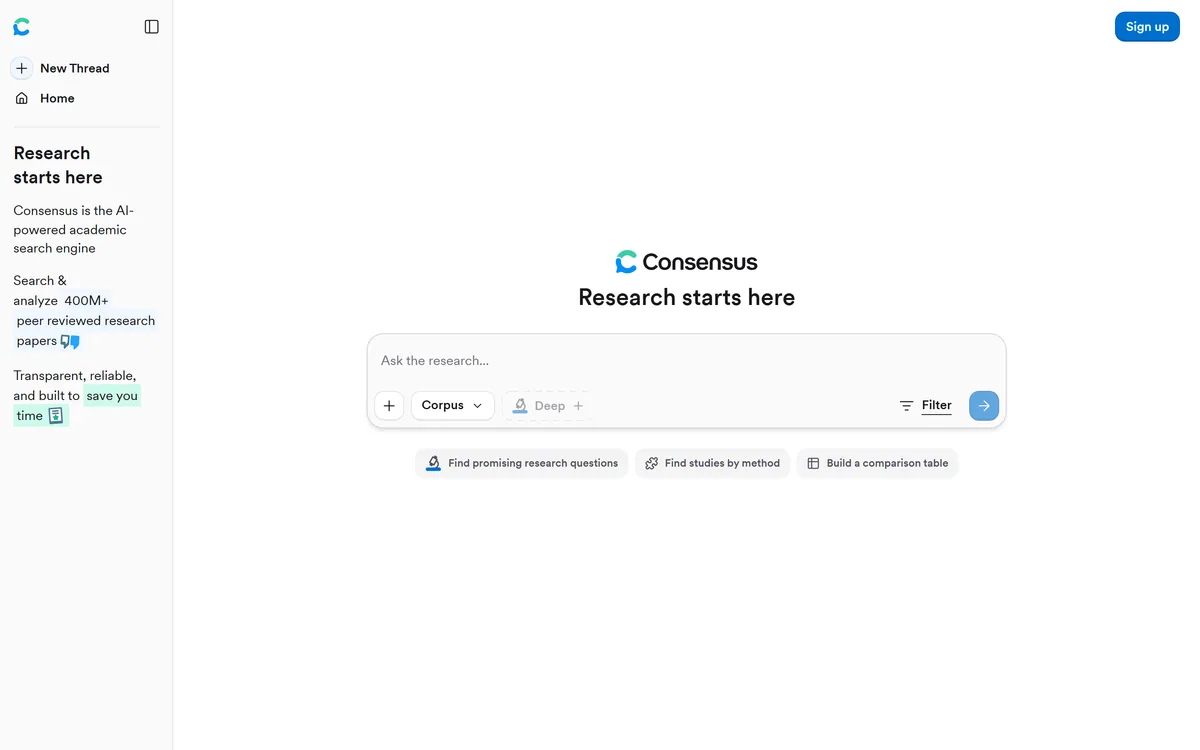
Consensus is an AI-powered academic search engine that searches and analyses hundreds of millions of peer-reviewed research papers, with a Deep Search that automates literature review, a Medical mode for clinical sources, and natural-language filters, used across university libraries.
4.3/5Freemium
What Counts as an AI Research Tool?
AI Research tools are products whose core function applies AI to research tools. A tool belongs here when that is the job it is built for, rather than a side feature.
Because this is a focused slice of education & research, the tools below do broadly the same job — so compare them on what they actually produce and how they are priced. Each review shows the tool's pricing model and whether it has a free tier.
AI Research tools reviewed here include:
Sourcely — Sourcely is an AI academic source finder: paste your text and it finds matching credible papers, highlights citation-worthy passages, summarizes sources, and exports citations in 700+ styles, drawing on a database of 200M+ papers. It is a source-finding tool, not an essay generator, though pasting a finished essay to back-fill citations is a misuse to avoid.
AnswerThis — AnswerThis is an AI research assistant for literature reviews that searches a large database of papers and trials, checks citations and claims against their sources, supports PRISMA- and Cochrane-style systematic reviews, and helps draft, revise and collaborate on research writing.
Copyleaks — Copyleaks (New York) is an AI content-detection and plagiarism platform for education and business: plagiarism checking across trillions of sources, an AI text detector, AI image/video detectors, code plagiarism and LMS/API integrations, with SOC 2 and GDPR compliance. Strong for plagiarism and IP; its AI-writing detection must be treated as a signal, not proof.
Afforai — Afforai (now branded 'Logically') is an AI research and writing workspace: citation-backed answers over your papers, a reference manager with 10,000+ styles, a PDF annotator and an AI document writer, aimed at students and researchers. It suits citation-heavy research work, with the notes that the brand/company name differs (Afforai Inc. owns Logically.app) and that it also ships paraphraser/humanizer tools that carry authenticity considerations.
Semantic Scholar — Free AI-powered academic search across millions of papers Category: Education & Research.
Research Tools covers AI tools built for research tools. Reviewed tools here include Sourcely, AnswerThis, Copyleaks, each with its own review covering pricing, features and an Editor Score.
02Are There Free AI Research Tools?
Yes. AnswerThis, Copyleaks, Afforai, Semantic Scholar all offer a free plan or free trial. Use the pricing filter above to see every research tool with a free option.
03How Do I Choose the Right AI Research Tool?
Start with your main use case and budget, shortlist two or three tools above, and compare their reviews, pricing and free plans. Where a free plan or trial exists, run a real task of your own through it before committing.
04How Is Research Tools Different From Other Education & Research Tools?
Research tools focus specifically on find, analyze, and synthesize research with ai, so they usually go deeper on that job than a general education & research tool.
Launching a New Research Tool?
Submit it for an editorial review and a page in front of people comparing research tools before they buy.