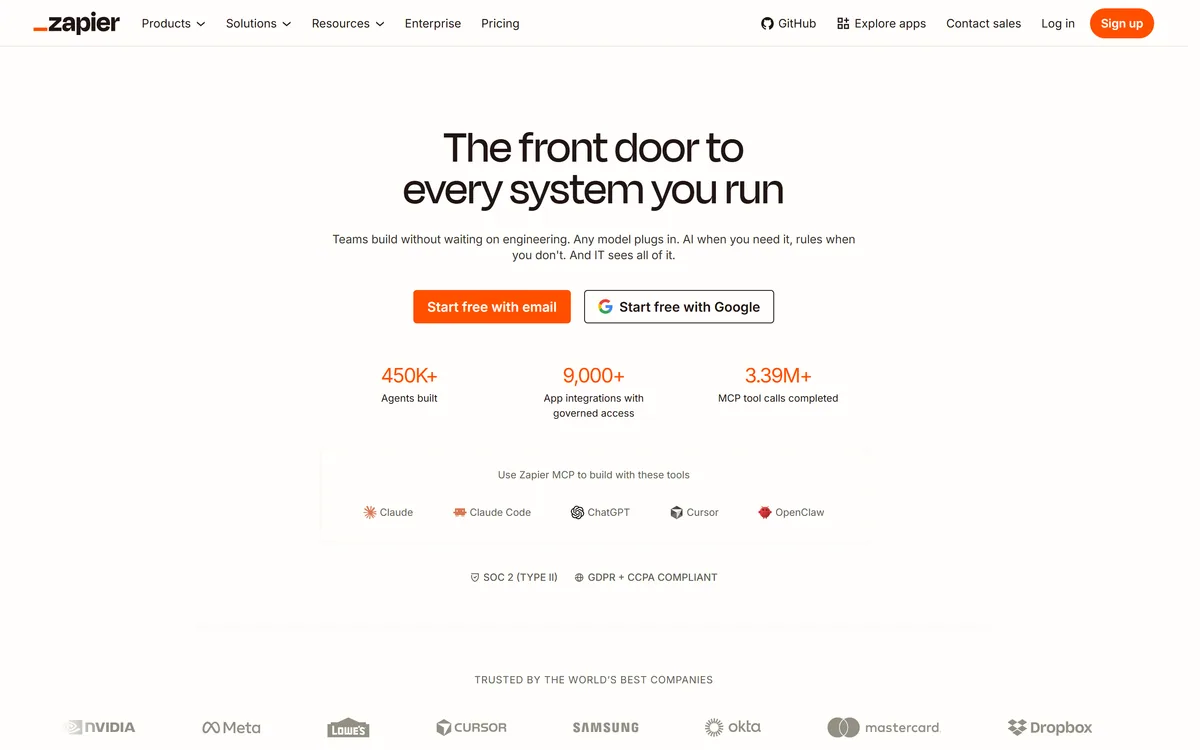

Zapier's AI layer adds agents and MCP tool access on top of its automation platform, connecting more than 9,000 apps with governed access so teams can mix AI decisions with deterministic rules under central oversight.
Productivity & Automation Review
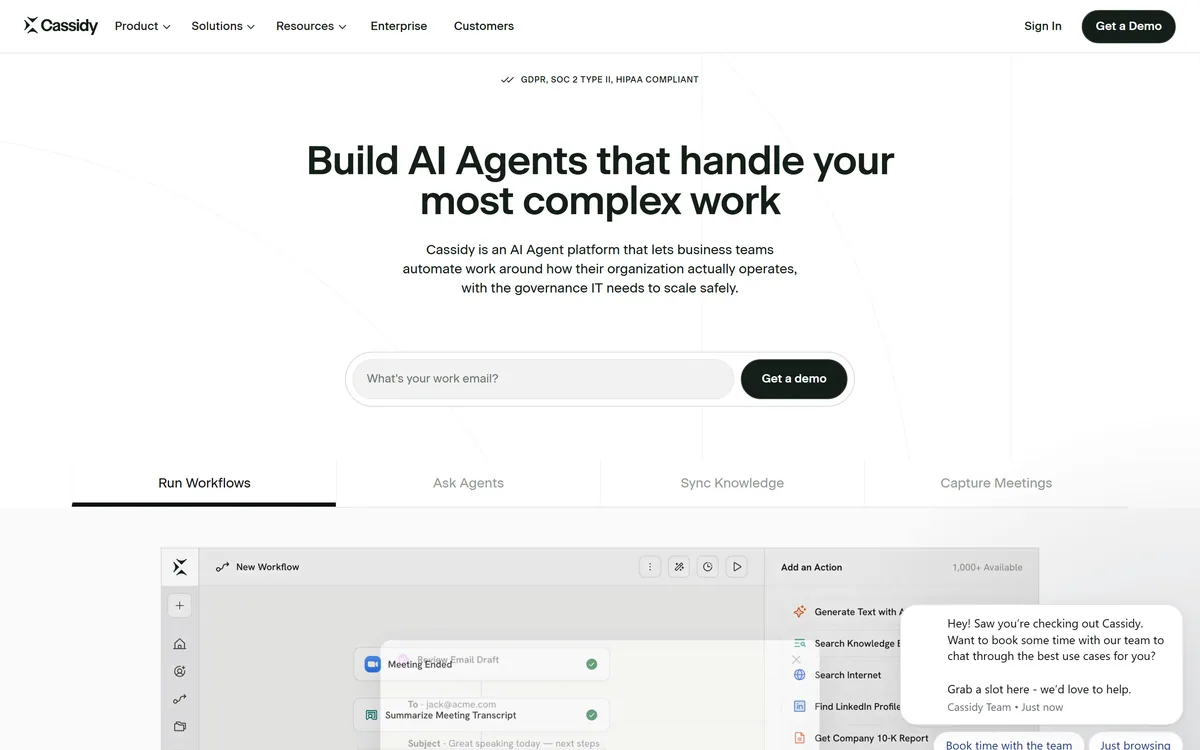
Cassidy AI is a no-code AI-agent and workflow platform that lets business teams build agents grounded in a company knowledge base, deploy them inside Teams, Slack, Chrome and Office, and keep IT in control with permissions, model-agnostic routing and SOC 2, GDPR and HIPAA compliance.
Very good
Cassidy AI earns 4.3 for a well-judged enterprise bet: no-code AI agents that business teams build themselves, grounded in a cited company knowledge base, deployed inside Teams, Slack and Office, with the governance IT needs to scale safely. Its adoption figures and compliance posture are vendor-stated and worth verifying, and it is overkill for solo users or teams without organised knowledge, but for regulated, document-heavy enterprises it fits well. AInexfinder Editor Score: 4.3/5.
Best for: Document-heavy enterprises; Regulated industries
The visit link goes to cassidyai.com, the official site. Paid placements on AInexfinder are always labelled. How we make money
Enterprise AI stalls when the people who understand the work have to wait on IT or engineering to build anything. Cassidy AI's pitch is to let those people build agents themselves, without code, inside IT's guardrails.
It is a no-code platform for building AI agents and workflows grounded in a company knowledge base, deployable inside the tools staff already use, with governance for safe scale. It sits among enterprise agent platforms like Ema, with a focus on business-team self-service rather than engineering.
This review covers how Cassidy builds a safe agent, where it fits a business team, how it is sold, and who will find it more than they need.
| What it is | A no-code AI-agent and workflow platform |
|---|---|
| Grounding | A synced, cited, permission-aware knowledge base |
| Build | Agents and workflows in natural language |
| Deploy in | Teams, Slack, Chrome, Word, Excel, Outlook |
| Models | Model-agnostic, routing across 35+ models (vendor) |
| Governance | Permissions, RBAC, usage analytics |
| Security | SOC 2 Type II, GDPR, HIPAA, CASA (vendor) |
| Model | Enterprise, demo-led |
Cassidy's premise is that the person closest to a process should be the one automating it, not a queue of engineering tickets. So it lets business users describe an agent or workflow in natural language and build it without code.
What stops that from producing confident nonsense is grounding: agents draw on a company knowledge base, synced, cited and permission-aware, so their outputs reflect how your business actually works rather than a generic model's guess. That grounding is the difference between a demo and something a team will trust.
It is aimed at operationally complex, often regulated industries, insurance, professional services, industrials, healthcare, where the work is document-heavy and accuracy matters, which is also why its governance story is front and centre.
The person closest to a process should be the one automating it, not a queue of engineering tickets. Grounding in company knowledge is what makes the result trustworthy.
Two things make it enterprise-credible: the context it draws on, and the controls around it.
You connect documents, meetings, CRM and other company knowledge into a knowledge base that grounds agents, with citations so outputs are traceable, and Cassidy can join and summarise meetings so conversations become searchable context and follow-ups.
That context layer is what separates a grounded agent from a generic chatbot. For the browser-automation corner of getting work done, a tool like Axiom.ai handles a different mechanism; Cassidy's strength is reasoning over your own knowledge.
You build agents and workflows in natural language, deploy them inside Teams, Slack, Chrome and Office, and IT keeps control through permissions, row-level security, usage analytics and model-agnostic routing that picks an appropriate model per task. It states SOC 2, GDPR and HIPAA compliance and no training on your data.
That governance is the real unlock for enterprise self-service, letting non-engineers build without letting things sprawl. A general AI assistant like Cora serves the individual; Cassidy is built for the organisation, with the controls that implies.
Cassidy fits mid-size to large organisations in document-heavy, exception-heavy fields, insurance underwriting routing, professional-services proposals, industrials knowledge search, where business teams want to automate real processes and IT needs to keep it safe.
It suits functions across sales, support, operations and marketing that have clear, repeatable work to automate and the company knowledge to ground it in. The deploy-where-you-work model matters, because adoption dies when a tool is yet another tab.
It fits less well a solo user or tiny team wanting a personal assistant, where a consumer AI tool is simpler and cheaper, and anyone without organised company knowledge to ground agents in, since the grounding is what makes it worth the governance overhead.
Cassidy is enterprise and demo-led: engagement runs through a get-a-demo path with a solutions team and managed builds, rather than public self-serve pricing. We do not publish prices; there are none listed.
For a buyer, the value question is whether business-team self-service, within governance, genuinely reduces the engineering bottleneck and automates enough real work to justify an enterprise commitment, which a scoped pilot on real processes can answer.
Its adoption and case-study figures (workflows run, employees onboarded) are vendor-stated; treat them as claims and judge the platform on your own processes and your own knowledge base.
Because the value is grounded, governed automation, trial it on a real process with your own knowledge and IT involved.
No-code agent and workflow builder
Knowledge base with citations and permissions
Meeting capture and summarisation
Deploy in Teams, Slack, Chrome and Office
Model-agnostic routing
Governance: permissions and analytics
CRM enrichment and ticket triage
Enterprise compliance posture
The useful comparison is with other agent and automation approaches.
| Tool | Tool | Approach | Best for |
|---|---|---|---|
| Cassidy AI | No-code, knowledge-grounded agents | Business self-service with governance | Regulated, document-heavy enterprises |
| Ema | Enterprise AI agents | Broad agentic automation | Enterprise automation |
| Axiom.ai | Browser automation | Automating browser tasks | Repetitive web work |
| Cora | Personal AI assistant | Individual help | Solo productivity |
Last checked . Read from cassidyai.com during this check, with the screenshot above captured at the same time.
Cassidy's adoption figures (workflows run, employees onboarded) and model count are vendor-stated claims; its compliance posture should be verified against current documentation for your requirements.
An enterprise agent platform, a browser-automation tool and a personal assistant to weigh alongside Cassidy.
AInexfinder does not list plan prices or billing details. For current pricing, plans, and trials, visit the official Cassidy website.
Visit official website for pricingVendor pricing, credits, and billing policies change over time. Always confirm on the official site before you buy.
Cassidy earns an AInexfinder Editor Score of 4.3/5 (very good). Best for: Document-heavy enterprises; Regulated industries; Business-team self-service.
Visit CassidyLog in to write a review.
No reviews yet. Be the first to share your experience with Cassidy.
Assigned reviewer
Daniel ReedSenior AI Tools Reviewer
Daniel leads AInexfinder's tool reviews. He researches each tool from its own pricing, documentation and policies, checks its claims against independent sources, and writes up what it does well, where it falls short and who it genuinely suits.
Daniel and the AInexfinder editorial team research Cassidy from its own website, pricing, documentation and policies, checked against independent sources. This review is research-based: unless its method note says otherwise, we have not bought a plan or run hands-on tests. The Editor Score is our editorial judgement, and payment never changes it.
Similar Tools
Zapier's AI layer adds agents and MCP tool access on top of its automation platform, connecting more than 9,000 apps with governed access so teams can mix AI decisions with deterministic rules under central oversight.
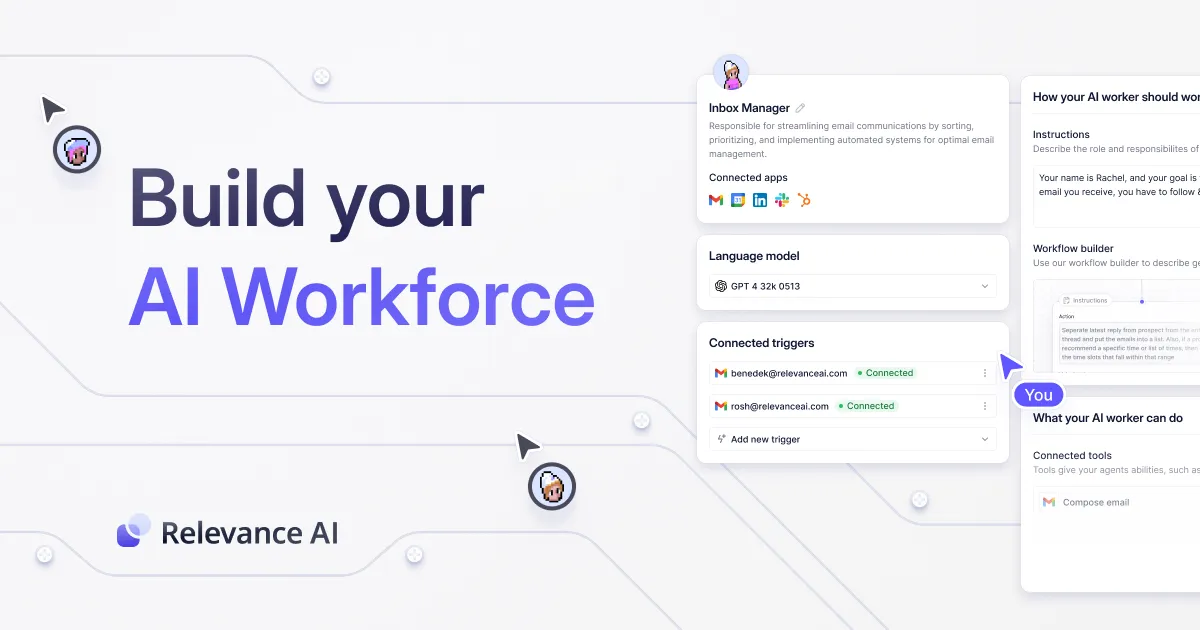
Enterprise platform for building AI agents at scale Category: Productivity & Automation.
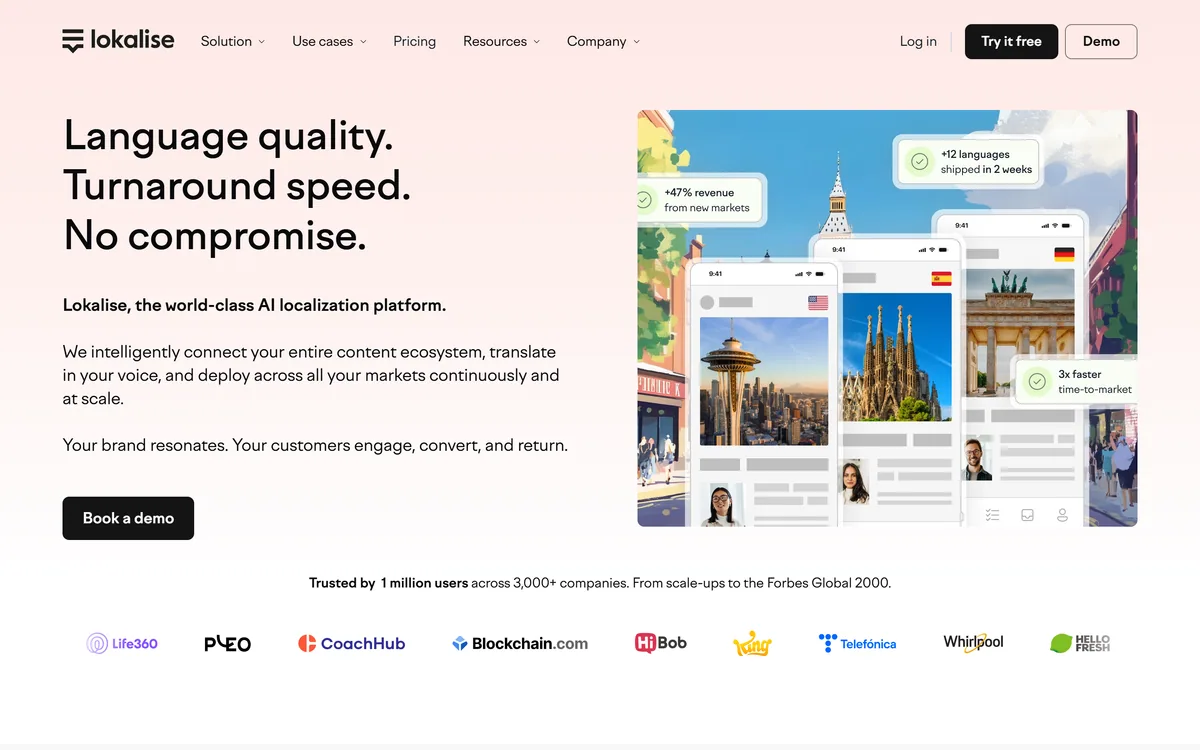
Lokalise is a translation management platform built for continuous localisation: strings flow from your repository, design files and CMS into an AI translation pipeline that applies your approved terminology and tone, with role-based human approval before anything ships.
Make review on AInexfinder — freemium AI tool for Productivity & Automation. Features, pricing notes, and alternatives.
AI-powered localization platform for global content Category: Productivity & Automation.
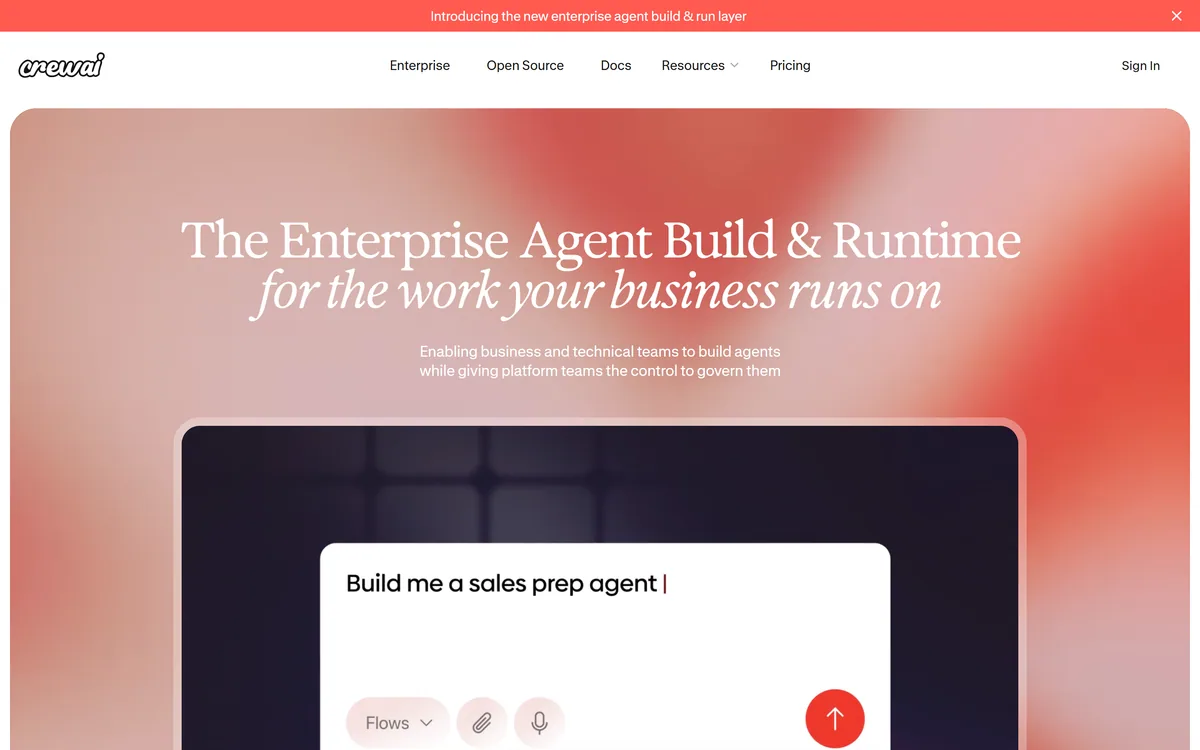
CrewAI is an enterprise platform to build and run AI agents: a Discovery layer that finds automation opportunities, a no-code canvas and code-first Python API for building role-based multi-agent workflows, and a control plane that adds tracing, RBAC, audit and human-in-the-loop approvals.
Related Pages