The first wave of AI app builders had a shared problem. They generated a beautiful front end in ninety seconds and then left you standing in front of the actual work: where does the data live, how do users log in, who hosts this, and what happens when two people use it at once.
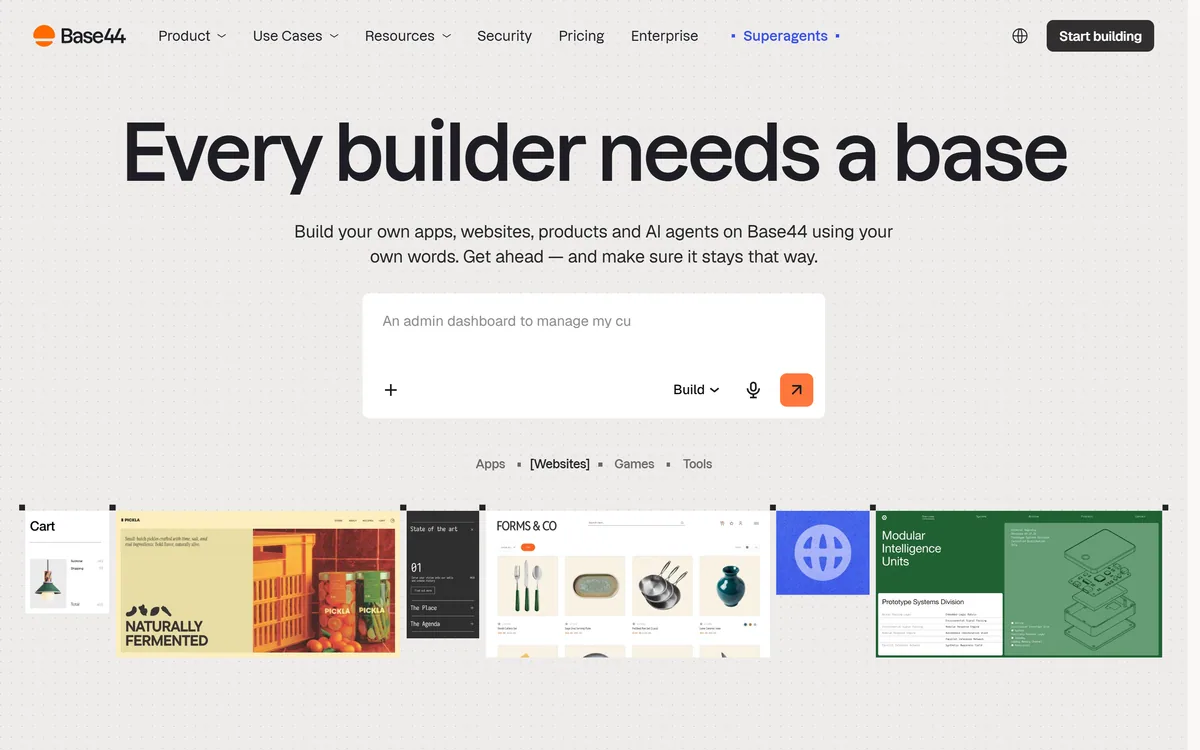
Base44's answer is to include all of that. The database, authentication, hosting and a set of one-click integrations arrive with the generated app rather than as the next six decisions.
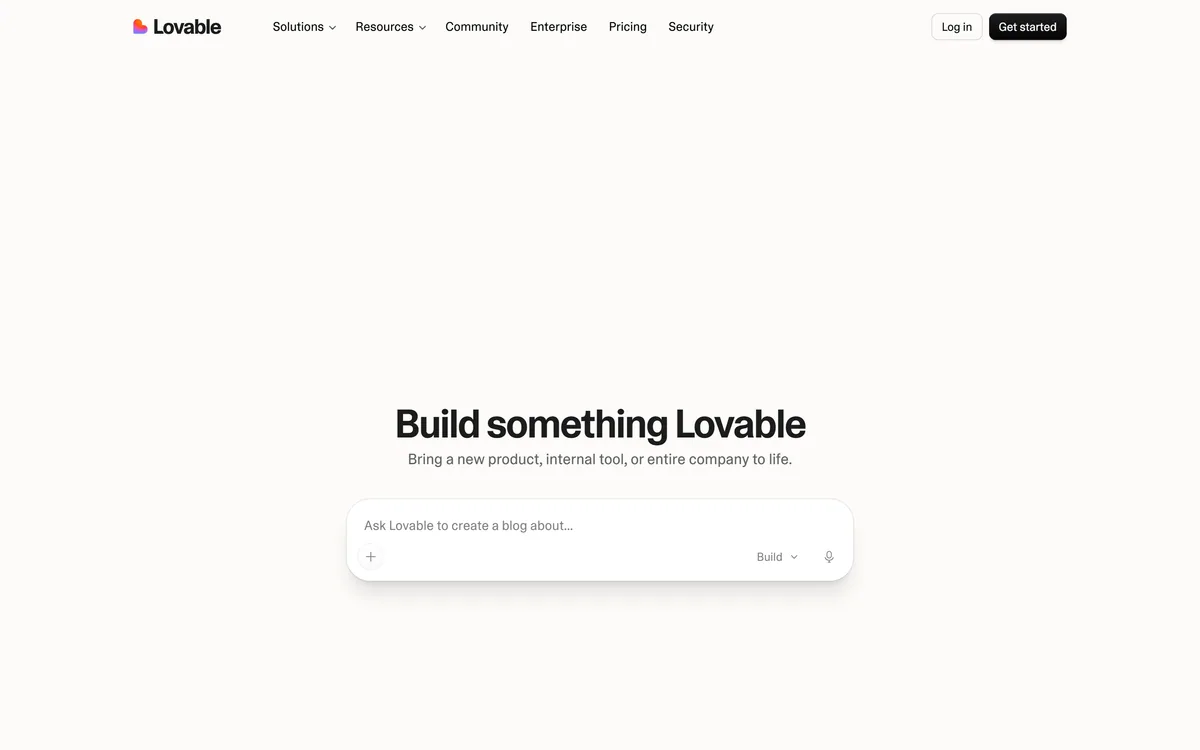
This review covers what that changes in practice, why the Wix acquisition is relevant to a buyer, where generated apps still hit a wall, and how it compares with Lovable and Replit AI.
Base44 In Five Lines
- Base44 is a no-code AI platform that builds working apps, websites and agents from plain-language descriptions, with the backend and hosting included.
- Owned by Wix, which matters for a no-code buyer: it means the platform has a large company behind its uptime and billing.
- Backend and storage are built in — database and authentication, not just a front end you then have to wire to something.
- Superagents automate workflows and connect to tools on their own, which is the part that separates this from an app builder.
- One-click integrations to Google Calendar, Gmail, Slack, Notion, HubSpot and Salesforce, plus any external API.
"Backend Included" Is The Whole Argument
Generating a user interface from a description is now close to a commodity. Several tools do it well. The differences show up immediately afterwards.
An app that stores nothing is a mockup. The moment you want users to sign in, save something, and come back to it tomorrow, you need a database, an auth system, a host and the plumbing between them — and for a non-technical builder that is not a small remaining step, it is the entire project.
Base44 shipping those by default is the reason a non-developer can get from idea to something people actually use. It is unglamorous infrastructure and it is what converts a demo into a tool.
The Superagents feature extends the same logic. An agent that automates a workflow and calls other tools on its own needs somewhere to run, credentials to store and state to keep — all of which the platform already has. Building that on top of a front-end generator would be a project of its own.
Any of these tools will draw you a screen. The question is what happens when someone tries to log into it.
What The Wix Acquisition Means
Base44 is owned by Wix.com Ltd. For a no-code buyer this cuts in a specific way, and it is worth thinking about before you build something you depend on.
The reassuring side: no-code platforms are a category where vendors disappear, and when one does it takes your app with it. There is no repository to fork and no server to move. A large public parent materially reduces that risk, and it also brings enterprise billing, uptime commitments and security paperwork.
The cautious side is the standard acquisition question. Roadmaps get aligned to the parent's priorities, and a platform inside a website-builder company may drift towards the website-building use case over time.
For most users this is a net positive — the failure mode a no-code buyer should actually fear is the vendor vanishing, not the roadmap shifting. But it is worth knowing before you build a business process on it, and worth checking what export exists if you ever needed to leave.
The Feature List Is Wider Than App Building
Some of what is here is not what you would expect from an app builder, and it tells you who Base44 thinks the customer is.
The Building Half
Vibe coding from a description, one-click integrations, multi-user collaborative boards with sketching and notes, global colour and font control, and redesign recommendations with previews before you commit.
The global design controls matter more than they sound. A generated app that looks inconsistent is the usual giveaway, and being able to change type and colour once across everything is what makes the result look deliberate.
The Marketing Half
An SEO/GEO dashboard scanning for Google, ChatGPT and Gemini; AI-generated social content matched to your voice; app analytics for traffic and sales; and AI video generation for hero sections.
This is unmistakably Wix-adjacent thinking — the assumption that someone building an app also has to market it. Whether that is useful or clutter depends entirely on whether you are building an internal tool or a product with customers.
Where Generated Apps Still Stop
Being clear about the ceiling saves a wasted month, and the ceiling is real regardless of which platform you pick.
Complex business logic is the first wall. Describing a CRUD app works; describing a pricing engine with fourteen edge cases and a compliance rule does not, because the edge cases are exactly what a description omits.
Performance at scale is the second. Generated data access is written to be correct rather than efficient, and the difference is invisible at fifty records and painful at fifty thousand.
Portability is the third and the one people regret. Ask what you can export before you build, not after. A platform-hosted app with a platform-hosted database is not something you casually move.
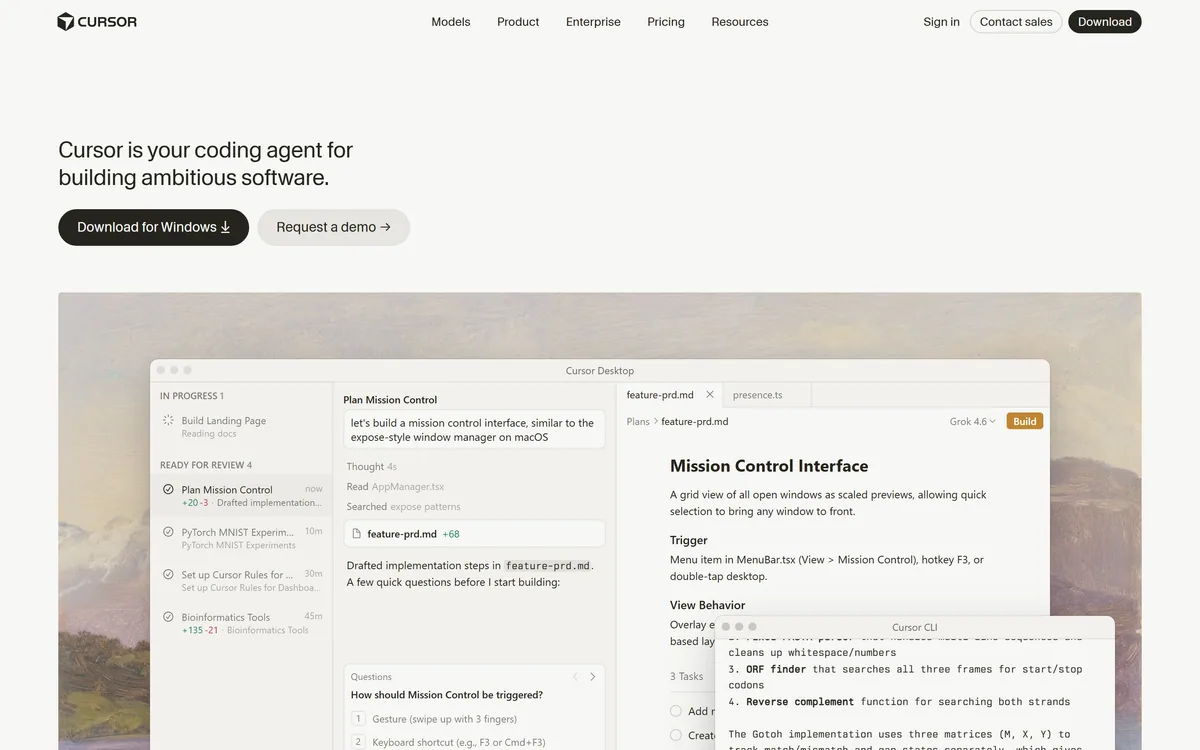
The honest framing is that this is excellent for internal tools, prototypes, small products and anything where the alternative was a spreadsheet. If you are building the thing your company sells, you will eventually want Cursor and a real codebase — and that is not a criticism of Base44, it is what these tools are for.
Building Something You Will Not Abandon
Most no-code projects die at the same three points, all avoidable.
- Write down what the app must do for one specific person before prompting anything. Generation rewards specificity and punishes vagueness.
- Get one complete flow working end to end — sign in, do the thing, see the result — before adding a second feature.
- Connect the integrations you actually need early, since an app that does not reach your existing tools tends not to get used.
- Set the global colours and fonts once, at the start. Retrofitting consistency is far harder than starting with it.
- Test with a real user who was not in the room. They will do something you never described.
- Check the export and data-portability position before you make it load-bearing for anything.
- Keep the scope small. The apps that survive are narrow ones that do one job people actually need.